Home Field postings Mold Remediation Guides
MacFawn Fire & Flood Restoration (Albany, NY) Mold Remediation: What to Verify Before Cleanup Starts
Learn how to evaluate a water-damage mold remediation provider like MacFawn in Albany—especially around containment, moisture-source control, and proof the job is truly finished.
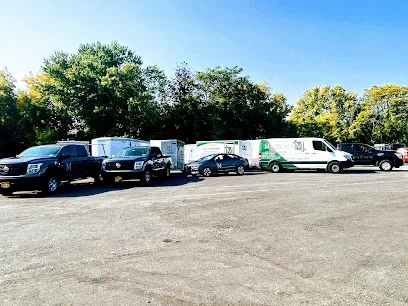
Mold remediation isn’t just about removing visible growth. If the underlying moisture issue is still present, mold can return—sometimes quickly—behind drywall, under flooring, or in hidden cavities. For homeowners and property managers in the Albany area considering MacFawn Fire & Flood Restoration, the goal is to confirm the company’s plan is built around the water-damage pathway, with protective work practices and documentation that shows the job is complete.
MacFawn is publicly listed as a water and fire restoration team serving the Capital Region, with an emergency line at +1 877-622-3296 and an office at 2 Anderson Dr, Albany, NY 12205, United States. Their website also describes services that include mold remediation with moisture-source identification and containment, alongside 24/7 emergency response.
1) Start with the moisture source—not the staining
When a call starts with “there’s mold,” it can lead to a surface-level cleanup. A stronger mold remediation conversation starts with what kept materials damp. Ask what they will investigate: plumbing leaks, condensation patterns, flooding, sewage backups, or a roof or window intrusion. In water-damage mold remediation, the assessment should connect the moisture source to the affected building materials.
For this specific provider, confirm the workflow matches their stated focus: water damage mitigation followed by professional mold removal that identifies moisture sources. The practical outcome you want is a clear explanation of where water got into the structure and what will be controlled before any removal begins.
2) Containment should match your rooms and materials
Containment is not a one-size-fits-all plastic box. It should reflect the layout of the property and the materials involved (drywall, insulation, wood framing, basements with different wall types). Ask how they plan to isolate the work area to prevent cross-contamination to unaffected rooms, hallways, and HVAC returns.
Listen for concrete details: where barriers will be placed, how air movement will be controlled during the work, and whether they will protect occupants and sensitive areas while addressing mold. If their plan is vague, it’s a signal to press harder—because containment is one of the key differences between simple cleaning and true remediation.
3) Drying verification and “job finished” proof
After water-damage remediation, drying is what stops future mold growth. During the project, you should be able to understand what measurements or documentation are used to confirm that affected materials have returned to safe moisture conditions. Ask what they will measure, how often, and how they demonstrate that drying is complete.
Even if visible mold is gone, the job may not be finished. Request an explanation of how they determine that the moisture issue has been resolved—then make sure that the final scope aligns with the investigation findings.
Documentation you should request at the end
Before cleanup wraps, ask for a recap of what areas were investigated, what was removed or cleaned, what containment steps were used, and what evidence they have that drying and remediation goals were met.
4) Scope boundaries: removal, cleaning, and what gets left out
Good remediation scopes separate investigation from removal and distinguish what will be cleaned versus removed. In older homes or complex basements, the line between “surface” and “material-deep” contamination matters. Ask them to explain which materials they expect to treat fully, which materials might require removal, and what conditions could change that scope on-site.
Also confirm how they handle transitions between contaminated and clean zones during the work—because unaddressed gaps can allow debris and spores to migrate.
5) When to call immediately and how to prepare for contact
If you have active water intrusion or suspect hidden moisture (wet drywall edges, persistent musty odors, condensation returning after dehumidifying), don’t wait for mold to become “obvious.” Call emergency response early—especially if the water source is still active. MacFawn’s public materials emphasize round-the-clock emergency response and quick mitigation to prevent mold growth.
When you call, be ready to share what happened (leak, flood, sewage event), how long the area has been affected, and which rooms show symptoms. That context helps align the remediation plan with the actual cause.
Mold remediation decisions should lead with inspection, containment practices that fit the property, and drying verification that supports a “finished” outcome. If you’re contacting MacFawn in Albany, use these points to confirm their plan is engineered around moisture-source control and documented completion—not just visible cleanup.
More field postings
- Property Recovery 911 in Philadelphia: Decide Between a Mold Report and Remediation Property Recovery 911 lists mold remediation and water mitigation in Philadelphia. Use this guide to define whether the next decision is ins…
- DryDocs Restoration in Philadelphia: Connect Water Damage to Mold Remediation Scope DryDocs lists water extraction, structural drying, water damage restoration, and mold remediation. Use those service signals to clarify wher…
- MSR Restoration in Philadelphia: Prepare for a Mold Inspection Report Use MSR Restoration’s published inspection and remediation sequence to prepare a useful mold assessment, understand its limits, and decide w…