Home Field postings Mold Remediation Guides
ServiceMaster Recovery by Close – Rochester Mold Remediation: Verify Containment, Drying Proof, and Moisture Source First
When mold follows a water leak, the safest remediation plan starts with containment and moisture-source control. Use these place-specific checks for the Rochester crew.
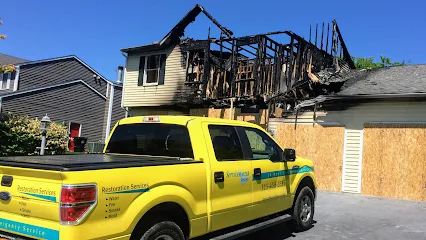
Mold remediation in a Rochester home usually begins after a water event—whether it was a plumbing leak, a wet wall cavity, or flooding from a storm. If you’re considering ServiceMaster Recovery by Close - Rochester for water damage and mold remediation, don’t start by choosing “the mold removal method.” Start by confirming the job is built around moisture source control, containment, and documentation that the work is truly finished.
1) Confirm the crew is treating water damage mold remediation, not just surface staining
On paper, many projects sound similar (“we’ll clean and remove mold”). In practice, the critical difference is whether the plan addresses why the materials stayed wet long enough for mold to grow. This Rochester listing ties the response to water damage mold remediation, and that framing should guide your first questions.
Before any demolition, ask what they found during the initial investigation and how that investigation connects to the expected mold pathway. If they can’t clearly explain the likely moisture source and spread, the scope will be guesswork instead of a measured remediation plan.
2) Match containment to your rooms, not just a generic work area
Containment is what keeps disturbed materials from spreading beyond the affected area. For any job that involves cutting, removing insulation, drywall, or other porous materials, your goal is containment that fits the real layout of your home—doors, HVAC paths, hallways, and shared ventilation.
ServiceMaster Recovery by Close - Rochester is listed with a local contact address at 146 Halstead St, Rochester, NY 14610, United States and a phone number +1 585-207-6106. When you call, ask who designs the containment for your specific situation and what barriers they’ll use in the affected spaces.
Look for a clear description of how technicians isolate the work area and prevent cross-contamination as debris moves out of the property. If their containment explanation stays vague (“we’ll do containment”), ask for details about the steps used to separate clean and dirty zones.
3) Demand drying verification that proves the moisture problem is over
Even after mold is removed, the job is only complete if the underlying materials have dried to levels that will not support renewed growth. That’s why “drying” must be tied to verification—measurements over time, not just the idea that fans were used.
During your planning conversation, ask what they will monitor and record during the drying phase. You want specifics on how they confirm that wet building materials are actually back within acceptable ranges, especially in hidden cavities like behind baseboards, under flooring, or inside wall systems.
4) Clarify scope boundaries: what gets removed, what gets cleaned, and what gets left alone
Many disputes after remediation happen because the scope wasn’t written clearly up front. Ask for a written explanation of what materials will be removed, what will be cleaned or treated, and what will remain. For example, mold remediation may involve demolition of water-damaged materials, but that doesn’t automatically mean everything must be torn out.
Also ask how they handle secondary impacts of water damage, such as odor, and how they document what was found versus what was expected. A thorough scope helps you understand what “completion” means for your particular rooms—not a generic statement.
5) Use the contact channel to request details before signing off
Because mold remediation decisions depend on the specific findings on-site, it’s reasonable to request evidence of the workflow before you agree to a timetable. The official contact page for ServiceMaster Restore routes requests through a service request form and notes that ServiceMaster Restore is available 24/7 to discuss restoration needs.
When you reach out, use the phone number +1 585-207-6106 and reference your moisture concerns directly: the likely source, where you saw the wet materials, and whether any HVAC or crawlspace/basement pathways could be involved. A good remediation team will respond with a sequence that starts with investigation and containment, then moves to controlled removal and drying verification.
Mold remediation is not just the visible cleanup—it’s the measured correction of moisture, the controlled containment of contaminated materials, and proof that the property is dry enough to prevent return growth. If ServiceMaster Recovery by Close - Rochester can’t connect each step to your home’s water-damage reality, keep asking until you have a clear, written plan.
More field postings
- Property Recovery 911 in Philadelphia: Decide Between a Mold Report and Remediation Property Recovery 911 lists mold remediation and water mitigation in Philadelphia. Use this guide to define whether the next decision is ins…
- DryDocs Restoration in Philadelphia: Connect Water Damage to Mold Remediation Scope DryDocs lists water extraction, structural drying, water damage restoration, and mold remediation. Use those service signals to clarify wher…
- MSR Restoration in Philadelphia: Prepare for a Mold Inspection Report Use MSR Restoration’s published inspection and remediation sequence to prepare a useful mold assessment, understand its limits, and decide w…