Home Field postings Mold Remediation Guides
RestoPros of MetroWest-Worcester (50 Elm St): How to Confirm Mold Remediation Scope After Water Damage
Before mold remediation starts, homeowners should verify containment, drying verification, and documentation—using clear answers from the contractor you call.
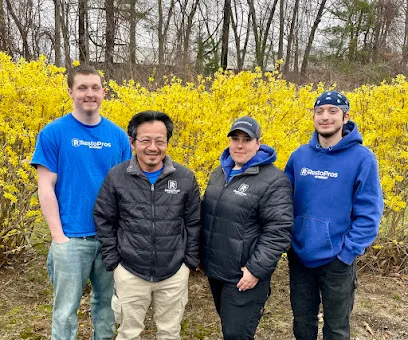
Mold after a leak is rarely a “surface” problem. In Worcester, MA, damp materials can stay wet behind drywall, under flooring, and in insulation cavities long enough for mold to grow—sometimes before you ever see a visible spot. If you’re considering RestoPros of MetroWest-Worcester, the smartest decision work is not about slogans. It’s about confirming what the team will do (and what they will document) from the first site visit through cleanup and any follow-up steps.
Below is a practical way to evaluate fit for mold remediation, using the kind of concrete information a homeowner can request. For reference, RestoPros lists 50 Elm St, Worcester, MA 01609 and phone +1 508-290-5955, with an official site at https://www.restoprosmetrowest.com/.
Start with the water problem: what is the actual moisture source?
Any mold remediation plan should be built on the moisture story, not the first dark corner you notice. Ask RestoPros what caused the water damage in your case (burst pipe, roof leak, ice dam, slow seep behind a bathroom surround, etc.) and what materials are most likely affected. The goal is to map the probable wet zones so the inspection is targeted.
Also confirm whether the team will coordinate drying and demolition decisions based on measurable conditions (not just what “looks bad”). Mold remediation typically follows water damage mitigation, so the contractor should explain how they’re determining when drying is truly underway.
Containment and safe work: what will be protected during cleanup?
Effective mold remediation depends on containment that matches the layout and airflow of your home. When you discuss the work, request specifics on how they plan to isolate the affected area during removal, how they manage dust and debris, and what “safe work” means on your job.
On RestoPros’ site, mold remediation is presented as professional removal intended to eliminate growth and prevent future contamination. That’s a useful starting point, but your next step is to ask for room-specific explanation: which zones will be contained, what barriers are used, and how they prevent cross-contamination during demolition and cleaning.
What documentation should you receive, not just verbal assurances?
Homeowners often get stuck on whether mold was “gone,” without getting clarity on what the contractor measured along the way. Before work begins, ask what written or digital documentation you’ll receive and what it will include. For example: what was observed during inspection, how drying progress is tracked, and what cleaning/clearance approach is used at the end (especially if demolition was involved).
If the answers are vague, ask them to put the workflow into plain language: where containment starts, when it is modified, and how they decide to move from cleanup to final steps.
Drying verification: how will progress be proven during water damage restoration?
Because mold remediation usually follows water damage, drying verification matters. RestoPros’ website notes that their team stops damage, dries structures, and helps prevent mold and rot that can come next. Translate that into questions you can evaluate: how do they monitor moisture conditions, how often they check, and what changes in strategy if materials aren’t drying as expected.
When you talk through your situation, ask what drying equipment will be used, where it will be placed, and how long they expect the drying phase to last for your specific materials. Then ask what “success” looks like in measurable terms.
Response timing and insurance coordination: make sure the plan fits your reality
RestoPros states availability for 24/7 emergency response and describes support with insurance claims. Those are helpful signals for homeowners dealing with active leaks or urgent mitigation. Still, don’t assume. Confirm current scheduling for your address and whether they can start stabilization quickly enough to reduce the chance of more material damage.
Also ask how insurance coordination affects the timeline: what they need from you, what documentation they provide for the claim, and what repair decisions are delayed until mitigation milestones are reached.
Questions that prevent surprises before remediation begins
Before anyone starts removing materials, ask:
- Which affected materials will be removed, and which will be cleaned in place?
- How will containment boundaries be set and maintained during the job?
- What will drying verification look like during the water damage restoration phase?
- What end-of-job documentation or follow-up steps are included?
- What exclusions or limitations apply (based on your specific building materials)?
Choosing a mold remediation contractor is less about the name on the estimate and more about the quality of the answers. If RestoPros (or any team) can clearly explain the moisture-source logic, containment approach, drying verification, and documentation, you’ll be in a stronger position to manage the project with confidence. If the explanation stays general, keep asking until you can picture the work—room by room—before remediation starts.
More field postings
- Property Recovery 911 in Philadelphia: Decide Between a Mold Report and Remediation Property Recovery 911 lists mold remediation and water mitigation in Philadelphia. Use this guide to define whether the next decision is ins…
- DryDocs Restoration in Philadelphia: Connect Water Damage to Mold Remediation Scope DryDocs lists water extraction, structural drying, water damage restoration, and mold remediation. Use those service signals to clarify wher…
- MSR Restoration in Philadelphia: Prepare for a Mold Inspection Report Use MSR Restoration’s published inspection and remediation sequence to prepare a useful mold assessment, understand its limits, and decide w…