Home Field postings Mold Remediation Guides
All Dry (Holden, MA): What to Verify Before Mold Remediation After Water Damage
A practical, mold-focused checklist for homeowners near Holden, MA to confirm inspection, containment, and documentation before remediation work begins.
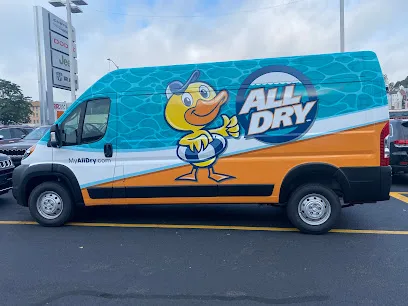
Mold after a leak is rarely a “surface” problem. In Holden, MA, homeowners often call a restoration contractor only after they see discoloration or smell musty air—by then, moisture can have traveled behind drywall, insulation, and flooring seams. If you’re considering All Dry at 789 Wachusett St, Holden, MA 01520 (phone +1 508-401-8787), use this guide to pressure-test the plan before any materials are removed.
Start with the moisture story, not the first mold spot
Ask All Dry to explain what caused the wet condition and what they will confirm during inspection. A credible mold remediation response usually begins by identifying the moisture source and then mapping the likely wet materials. The goal is to prevent a common failure mode: treating only the visible growth while damp materials remain. You should expect questions about the leak timeline (when it started and when it was shut off), the affected areas (walls, ceilings, under-sink cabinets, basements), and whether drying equipment was already used.
Clarify what the inspection deliverables look like
Before remediation begins, request that the contractor describe what they will document and how you will receive it. For example, ask whether they will provide an inspection summary that connects the moisture findings to the remediation scope. If testing is part of the process in your situation, ask how results will be interpreted and whether clearance is handled separately from cleanup. Even without naming specific equipment, the key is transparency: you’re confirming that the inspection leads to measurable decisions, not just a general statement like “mold removal.”
Containment should match your rooms and airflow
During mold remediation, containment is what prevents debris and spores from spreading through the home. Ask All Dry how they plan to set containment boundaries for your layout—what rooms are included, how they will manage HVAC airflow, and how they’ll control movement of workers and materials. Don’t accept containment that sounds generic. You want a plan that considers doorways, hallways, and any shared ventilation paths.
Ask what “safe work” means on your job
Because mold remediation can create airborne particulates, it’s reasonable to ask what safety practices they use while removing affected materials. The most practical approach is to request a plain-language explanation of what will happen before, during, and after demolition: how they prevent cross-contamination, how they handle cleanup, and what “clean” looks like as work progresses. If you can’t understand it, the paperwork likely won’t help later.
Drying and moisture control: demand proof of progress
Drying is the foundation for successful mold remediation. Ask how they will control moisture during the job and how you’ll know that materials are actually drying, not just being sprayed or lightly cleaned. With water damage, lingering humidity inside porous materials can keep mold conditions alive. Request that they explain how they monitor drying progress and when they consider the moisture problem resolved.
Confirm remediation scope before demolition starts
Ask for a clear scope tied to the inspection findings: what materials will be removed, what will be left in place, and what steps will happen in which order. If your situation involves water damage that also affected structures behind walls or ceilings, ask how they decide whether additional areas need to be opened. The best answers connect decisions to observed conditions rather than to an open-ended “we’ll see as we go” approach.
Water damage documentation and insurance support should be specific
All Dry lists disaster cleanup services and emphasizes readiness to respond quickly; the public website also references working with insurance claims. If you’re dealing with an active claim, ask for the documentation trail you’ll receive: what photos, measurements, and job notes are included, and how dates and affected areas are recorded. Good documentation doesn’t guarantee approval, but it reduces delays and confusion because adjusters typically need consistent facts.
Verify contact and official information before you schedule
Use the official website https://www.myalldry.com/central-mass-massachusetts/ and confirm current scope, availability, and any emergency response details directly. If the public page mentions general categories of services (such as water damage and mold), it still won’t replace what you need for your address, affected materials, and timeline. Ask for a written plan before work starts.
What to ask in the first call
To keep your conversation mold-focused, prepare these questions: (1) What moisture source will you identify, and how will you verify it? (2) What does your containment plan look like for my specific rooms and airflow? (3) How do you monitor drying progress and define “dry enough” to move forward? (4) What documentation will you provide for insurance and for your remediation records? (5) How do you handle testing or clearance if it’s needed?
Choosing a contractor for mold remediation is about verifying the process, not just hiring someone who can remove visible growth. For All Dry in Holden, MA, tie every claim to a concrete deliverable—inspection notes, containment boundaries, drying proof, and documentation you can understand. That’s how you reduce rework and make the remediation decision clearer from day one.
More field postings
- Property Recovery 911 in Philadelphia: Decide Between a Mold Report and Remediation Property Recovery 911 lists mold remediation and water mitigation in Philadelphia. Use this guide to define whether the next decision is ins…
- DryDocs Restoration in Philadelphia: Connect Water Damage to Mold Remediation Scope DryDocs lists water extraction, structural drying, water damage restoration, and mold remediation. Use those service signals to clarify wher…
- MSR Restoration in Philadelphia: Prepare for a Mold Inspection Report Use MSR Restoration’s published inspection and remediation sequence to prepare a useful mold assessment, understand its limits, and decide w…