Home Field postings Mold Remediation Guides
Verify Mold Remediation From PuroClean in Auburn, MA After Water Damage
A locally grounded Auburn, MA guide to verify inspection outputs, containment boundaries, and drying documentation before cleanup starts.
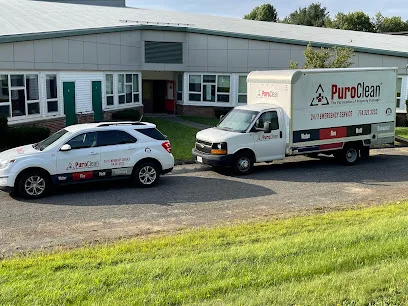
Mold after a leak usually means materials stayed damp long enough for growth to take hold. In Auburn, MA, the key decision with any restoration contractor—especially when you’re considering PuroClean Certified Restoration Specialists—is whether their process separates visible mold from the moisture source that caused it.
This guide is for homeowners in the Auburn/Worcester area who want a clear, document-backed approach. PuroClean Certified Restoration Specialists lists their Auburn office at 482 Southbridge St, Auburn, MA 01501 and provides phone support at (774) 321-3232. As you review a proposed scope, focus on whether you’ll receive the inspection and drying verification evidence you need, not just assurances that “mold removal” will happen.
Start the verification at the moisture source, not the first mold spot
Visible growth is often the end of the timeline. A strong remediation plan starts by determining what kept materials damp—an ongoing leak, condensation, a slow-drying assembly, or a water intrusion route that can extend beyond the original area.
When you talk with PuroClean, ask how they connect the moisture story to the remediation plan. Their Auburn-area framing emphasizes that hidden moisture and contamination can extend beyond what you can see. Use that to request a plain-language explanation of what materials are likely affected and why, based on what they find during assessment.
Ask what the inspection will produce—and how you’ll receive it
Before demolition or cleanup begins, you should be able to review the contractor’s inspection outcomes. Instead of accepting a vague description, ask what deliverables the inspection produces and how those findings will be shared with you before work shifts into containment and remediation.
For mold-related work, the most useful inspection outcomes reduce guesswork. You’re looking for clarity on where water damage appears to have traveled, which building materials are impacted, and what containment plan follows from those findings. If the contractor can’t explain what they found (and what they ruled out), it’s a warning sign that the remediation scope may not match actual conditions.
Make testing and documentation understandable before anything is removed
If testing is mentioned, translate it into decisions you can follow. Ask what question the testing is intended to answer, how the results will be used, and whether you’ll receive documentation in writing so you can review it before the project moves forward.
This is also a way to confirm the contractor’s process is driven by measured conditions. The goal is simple: you should be able to review the information that supports what gets contained, what gets cleaned, and what gets dried.
Confirm containment boundaries follow your layout and the way debris could spread
Containment shouldn’t be treated as a one-size-fits-all step. In real projects, boundaries should reflect airflow pathways, room-to-room transitions, and how debris could spread during removal.
Ask for an explanation of how the containment strategy will match your situation—specific rooms and pathways—rather than relying on a default approach. Your verification target here is whether the work area will be controlled enough to prevent cleanup from creating a new contamination problem.
Verify drying progress as part of the remediation timeline
Mold remediation is inseparable from moisture control. Even after visible mold is removed, residual moisture can contribute to odors, material damage, or the potential for regrowth. That’s why drying progress should be managed and documented as part of the job—not treated as a pause before “the real work.”
Ask how drying will be verified during the project: what measurements are taken, how often, and how the results will be shared so you can see that moisture levels are moving in the right direction. If the scope focuses mainly on cleaning without clear moisture management verification, you may be missing the root cause.
PuroClean’s Auburn-area contact information also notes availability 24/7 for water, fire, mold, and biohazard emergencies. Even if your situation isn’t urgent, it’s still reasonable to ask about scheduling—when assessment happens, when containment is set up, and when drying verification will be recorded.
Use Auburn contact details to confirm the scope before you authorize work
Before you approve anything, anchor the conversation to the public contact information and confirm the scope includes the elements that connect assessment to outcomes. PuroClean Certified Restoration Specialists lists (774) 321-3232, and their Auburn-area contact page is presented for property damage and remediation inquiries.
When you review next steps, confirm the scope covers: (1) a moisture-source assessment, (2) inspection deliverables you can review, (3) containment boundaries tailored to the affected rooms and pathways, and (4) moisture-drying verification as part of the project timeline. If any of these components are missing or remain vague, ask directly for what’s required to make mold remediation decisions from documented conditions rather than assumptions.
More field postings
- Property Recovery 911 in Philadelphia: Decide Between a Mold Report and Remediation Property Recovery 911 lists mold remediation and water mitigation in Philadelphia. Use this guide to define whether the next decision is ins…
- DryDocs Restoration in Philadelphia: Connect Water Damage to Mold Remediation Scope DryDocs lists water extraction, structural drying, water damage restoration, and mold remediation. Use those service signals to clarify wher…
- MSR Restoration in Philadelphia: Prepare for a Mold Inspection Report Use MSR Restoration’s published inspection and remediation sequence to prepare a useful mold assessment, understand its limits, and decide w…