Home Field postings Mold Remediation Guides
PuroClean Property Damage Restoration (Orchard Park, NY): Mold Remediation Scope Checks for Water-Damage Cleanups
Before mold removal starts, confirm the moisture source, the containment approach, and the documentation you’ll receive—so the remediation plan matches the real water-damage problem.
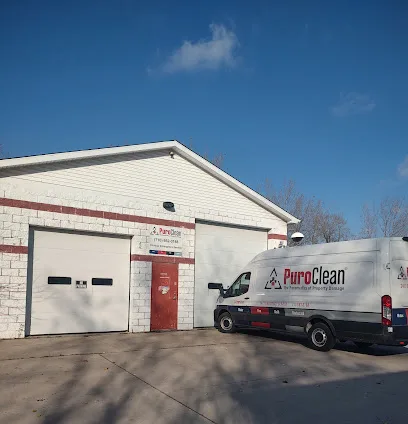
Mold remediation isn’t only about removing visible growth—it’s about correcting the moisture and water-damage pathways that let mold start and keep coming back. If you’re considering PuroClean Property Damage Restoration in Orchard Park, NY, use the points below to make sure the plan you approve is tied to the actual problem in your home.
Start with the moisture source, not the mold patch
Ask your contractor to explain what caused the damp conditions in the first place. PuroClean’s contact page emphasizes water-damage mitigation as a core part of their restoration services, including rapid water removal, drying, and stabilization to help prevent further damage and mold growth. That general framing matters, but you still need specifics.
In your call, request a clear connection between the “wetting event” you experienced (leak, plumbing failure, storm intrusion, appliance malfunction) and the areas showing mold. For example: was the moisture localized to a bathroom wall, did it spread behind drywall, or did it affect subflooring? A good remediation plan should map the moisture path to the affected materials, not just treat the surface.
Confirm the inspection output you’ll receive before demolition
Before demolition or removal begins, homeowners should expect documentation that shows what was found and why. You can ask for a written inspection summary that identifies affected materials and explains which areas require containment and removal.
If your situation involves hidden water damage, the inspection should influence scope decisions such as whether porous materials (like certain insulation or drywall sections) need to be removed and whether non-porous materials can be cleaned and dried in place. Your goal is to verify that the plan reflects the actual extent of contamination.
Ask how drying and stabilization are sequenced with mold cleanup
Because mold often grows after unresolved moisture persists, sequence matters. When a company talks about water damage mitigation and mold removal together, ask how drying will be handled during or before remediation. For example, you want to understand how drying targets the problem areas (behind walls, under flooring, or inside cavities) so remediation isn’t working on mold while the underlying moisture issue continues.
Containment: what barriers and airflow controls will be used?
Containment is a practical safety issue: it helps control dust and debris during removal and reduces cross-contamination. Don’t accept “we use containment” as a generic statement. Ask what containment looks like in your specific job—how the work area will be isolated, how airflow will be managed, and how debris will be captured and removed from the space.
When containment is job-specific, you should be able to follow along with the contractor’s plan: where plastic barriers will be installed, how work zones are treated, and what cleaning methods are used to restore the area at the end.
Clarify clearance expectations and post-remediation verification
After remediation, ask what verification steps are performed. Even if independent testing isn’t part of the package, the contractor should be able to describe how they confirm that the work area is returned to a safe condition and that remaining moisture risks are addressed.
Local fit signals to bring into your decision
If you’re contacting PuroClean Property Damage Restoration, you can use the information they publish to help with call readiness. Their Orchard Park, NY contact page lists an address and phone number: 3689 California Rd, Orchard Park, NY 14127, United States, and (716) 662-0188. It also states they’re available 24/7 for water, fire, mold, and biohazard emergencies.
Use those signals to set expectations, but still verify scope details on the call: who performs the inspection, what documentation you’ll receive before work expands, and how containment and drying are handled for your specific moisture source.
What to ask before you approve the remediation plan
Bring a short script to the call:
1) What moisture source does the inspection identify, and how does that drive the mold scope?
2) What will you document before demolition/removal starts?
3) How will you handle drying and stabilization alongside mold remediation?
4) What containment and debris-control measures will be used during removal?
5) What verification steps happen at the end, and what do you recommend to prevent repeat moisture?
If the answers are clear, specific, and tied to your water-damage history, you’re far more likely to approve a remediation plan that addresses the root cause—not just the visible mold.
More field postings
- Property Recovery 911 in Philadelphia: Decide Between a Mold Report and Remediation Property Recovery 911 lists mold remediation and water mitigation in Philadelphia. Use this guide to define whether the next decision is ins…
- DryDocs Restoration in Philadelphia: Connect Water Damage to Mold Remediation Scope DryDocs lists water extraction, structural drying, water damage restoration, and mold remediation. Use those service signals to clarify wher…
- MSR Restoration in Philadelphia: Prepare for a Mold Inspection Report Use MSR Restoration’s published inspection and remediation sequence to prepare a useful mold assessment, understand its limits, and decide w…