Home Field postings Mold Remediation Guides
ServiceMaster Recovery by Close - Syracuse Mold Remediation: What to Confirm Before Water Damage Cleanup
Before mold remediation starts after water damage, confirm the moisture-source plan, containment expectations, and documentation you’ll receive—so your Syracuse home gets a controlled, verifiable cleanup.
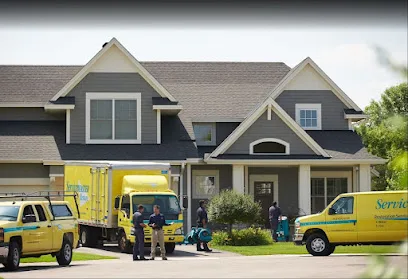
Mold remediation is usually triggered by water damage, not the visible spots themselves. If you’re in Syracuse and considering ServiceMaster Recovery by Close - Syracuse for a mold-related cleanup, the fastest way to reduce rework is to ask for a clear moisture-source strategy and proof that the affected materials and the surrounding area were handled with containment.
Below is a decision guide built around what should be discussed on your first call and during the initial walkthrough, using the contact details publicly listed for ServiceMaster Recovery by Close - Syracuse (7447 Thompson Rd, Syracuse, NY 13212, United States; +1 315-304-3839; official request page at https://www.servicemasterrestore.com/servicemaster-recovery-by-close-syracuse/contact-us/?utm_source=GMB&utm_medium=organic&utm_campaign=Syracuse).
Start with the “water story,” then match remediation to the source
When water intrusion lingers, mold can develop on surfaces that look “small” from the room, while hidden cavities and material layers remain damp. During your first conversation, request a plan that explains how they’ll identify the moisture source (for example, a leak origin, condensation pattern, or a drainage/water intrusion pathway) and how that source will be corrected before removal begins.
Practical expectation to set: remediation is rarely complete until the home is dry enough that growth stops progressing. Ask how they confirm drying progress and what “done” looks like for your specific materials.
Containment and airflow: what should your home look like during removal?
Any mold remediation that involves demolition or disturbed contaminated materials should include area control. Ask what containment approach they use and why it fits your layout. The goal is simple: keep dust and debris from spreading through the rest of the building.
For your Syracuse home, ask questions like: Will work areas be sealed off with plastic/critical barriers? How will air be managed during removal so contamination doesn’t migrate to unaffected rooms? How will debris and waste be bagged and removed from the work zone?
If the company can’t describe containment at a room-by-room level, that’s a red flag—mold cleanup should be tied to how air and materials move through your home.
Inspection and documentation: what you should receive in writing
Before anyone starts demolition, ask for an inspection summary that outlines affected materials and the remediation scope. You want specific, not vague. In particular, clarify:
- What materials are considered contaminated and what will be removed vs. cleaned
- How the team will protect belongings and how staging will work
- What measurements or observations will support the drying phase
- What documentation is provided at completion
Since ServiceMaster Restoration requests can be initiated through a Service Request page, it’s reasonable to ask how quickly an inspection can be scheduled and what information they need from you to avoid an incomplete first assessment.
Scope boundaries and change triggers
Mold remediation work often expands when additional hidden moisture is discovered. Ask what triggers scope changes (for example, newly identified wet cavities, unexpected damage behind drywall, or deterioration that requires additional removal). A good contractor will explain the decision logic and how you’ll be contacted before work expands.
After cleanup: how to verify remediation is actually complete
Don’t treat remediation as “finished when the crew leaves.” Ask what the final phase includes: final drying confirmation, removal of barriers where appropriate, and a walkthrough explanation of what was done and why. If independent clearance testing is part of their process, ask who performs it and when results are delivered.
You can also prepare your home to make verification easier—reduce foot traffic in the work zone, follow any post-remediation re-occupancy instructions, and keep humidity stable to help prevent moisture re-entry.
Who to call first in Syracuse—and what to have ready
If you’re calling ServiceMaster Recovery by Close - Syracuse, have your timeline ready: when the water damage occurred, how it was discovered, what was already dried or cleaned, and whether any leaks or flooding sources were resolved. Using the publicly listed phone number (+1 315-304-3839) or the official request page can help you start the intake process.
When you speak with the company, return to three core decision points: (1) they can explain the moisture source plan, (2) they describe containment and debris control that matches your home, and (3) they provide a written scope plus completion documentation. With those answers in place, you’ll be in a stronger position to choose a remediation path that’s verifiable—not guesswork.
More field postings
- Property Recovery 911 in Philadelphia: Decide Between a Mold Report and Remediation Property Recovery 911 lists mold remediation and water mitigation in Philadelphia. Use this guide to define whether the next decision is ins…
- DryDocs Restoration in Philadelphia: Connect Water Damage to Mold Remediation Scope DryDocs lists water extraction, structural drying, water damage restoration, and mold remediation. Use those service signals to clarify wher…
- MSR Restoration in Philadelphia: Prepare for a Mold Inspection Report Use MSR Restoration’s published inspection and remediation sequence to prepare a useful mold assessment, understand its limits, and decide w…