Home Field postings Mold Remediation Guides
Fire & Water Restoration, LLC (Syracuse) Mold Remediation: Confirm the Moisture Source, Containment, and Drying Proof
When mold follows a leak or standing moisture, verify how Fire & Water Restoration identifies the source, contains the area, removes contaminated materials, and documents drying.
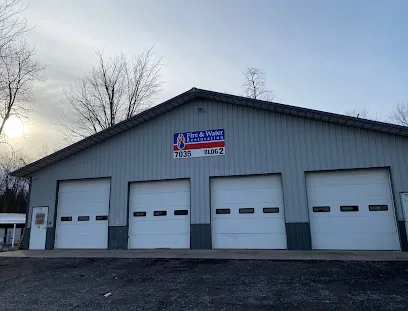
Mold that appears after a water event isn’t just a surface problem—it’s a signal that moisture conditions still exist somewhere. For Syracuse homeowners working with Fire & Water Restoration, LLC, the most useful next step is making sure the plan connects the moisture source to containment, removal, and objective drying progress.
Fire & Water Restoration lists water mitigation and mold remediation among its core services and provides contact details at 7035 Van Buren Rd Bldg 2, Syracuse, NY 13209. You can also reach the team at +1 315-635-0383 and review its approach at http://firewater-restoration.com/. Use those stated priorities as a foundation, then confirm the details during your call before work begins.
Map the moisture source to the work plan
Before remediation starts, ask how the contractor will determine why moisture is present in your home. The goal is not only to address visible growth, but to identify the ongoing driver—such as a leak, plumbing or roof/window intrusion, condensation, or slow drying after a water loss.
A strong answer should include what they will inspect across the affected materials and any adjacent areas where moisture may have traveled. Request details on how they document what they find (for example, photographs, measurements, or room/material notes). This helps ensure the remediation scope matches what’s actually causing the problem.
Containment and controlled airflow during removal
As demolition or removal begins, mold can spread through airborne spores. Fire & Water Restoration’s website emphasizes “containing the affected area to prevent spread,” so confirm what that means for your home’s layout.
During intake, ask what containment will look like in practice, including how they will:
- Isolate the work area with barriers and manage airflow into and out of the containment area
- Reduce dust and spores migrating to unaffected rooms (for example, around door openings and shared pathways)
- Perform cleaning steps after removal to address settled spores on hard surfaces
If the conversation stays at a high level—without describing how they’ll control airflow and limit migration—request a clearer explanation and written scope before scheduling.
Removal scope: contaminated materials, cleaning, and what can be saved
Mold remediation typically involves decisions about which materials must be removed and which may be cleaned. Fire & Water Restoration describes remediation as safely removing contaminated materials and using cleaning and air filtration to support improved indoor air quality.
To make that actionable, ask them to identify:
- Which porous materials they expect to remove because of contamination or prolonged dampness (such as drywall, insulation, ceiling tiles, or carpeting/padding)
- What cleaning steps they plan for non-porous or salvageable items, based on what they observe and document
- How they plan to stage work so the affected footprint doesn’t expand unnecessarily during demolition
If you suspect moisture behind walls, under flooring, or in hidden sections, ask how they will assess those areas and what findings would trigger additional removal.
Drying progress and job documentation
Even after visible demolition, residual moisture can remain and allow mold to return if the area doesn’t dry properly. A contractor should be able to explain how drying will be monitored and what evidence will support completion.
Ask what equipment they use for drying and how they track progress over time. You should also receive clear documentation tied to the work performed—what was removed, how the affected area was contained, and what post-work condition the team relies on to support that the job is complete.
Because completion can hinge on measurements rather than time alone, request any objective reporting they use to support drying conclusions. If they can’t explain how they measure progress, treat that as a concern and ask for clarification.
Confirm timing, communication, and next steps before crews arrive
Once you’re ready to move forward, call +1 315-635-0383 and confirm the practical details around scheduling and communication. Ask how quickly they can start once moisture conditions are present and what happens if access, drying, or affected areas require adjustments.
It’s also reasonable to clarify:
- Who will be your point of contact during the remediation process
- When you’ll receive a written scope explaining containment and removal decisions
- How they handle “unknowns” discovered during the job, such as additional affected rooms or inaccessible areas
- What you’ll need to do before crews arrive to support safe access (for example, preparing the area so work can proceed)
Bottom line: for mold remediation in Syracuse after water damage, the best plan is one that clearly connects moisture source identification to containment, contaminated-material removal, and documented drying progress. If Fire & Water Restoration can describe those steps specifically and consistently, you’ll have a stronger basis to move forward with confidence.
More field postings
- Property Recovery 911 in Philadelphia: Decide Between a Mold Report and Remediation Property Recovery 911 lists mold remediation and water mitigation in Philadelphia. Use this guide to define whether the next decision is ins…
- DryDocs Restoration in Philadelphia: Connect Water Damage to Mold Remediation Scope DryDocs lists water extraction, structural drying, water damage restoration, and mold remediation. Use those service signals to clarify wher…
- MSR Restoration in Philadelphia: Prepare for a Mold Inspection Report Use MSR Restoration’s published inspection and remediation sequence to prepare a useful mold assessment, understand its limits, and decide w…