Home Field postings Mold Remediation Guides
Green Genie LLC Mold Remediation in Tonawanda: Choose the Plan by the Moisture Source
For Tonawanda/Buffalo-area homes, the best mold remediation plan starts with the moisture source—because water damage and mold cleanup are tied together. Use a moisture-route-first review approach to match the scope to what Green Genie LLC will inspect, contain, remediate, and verify.
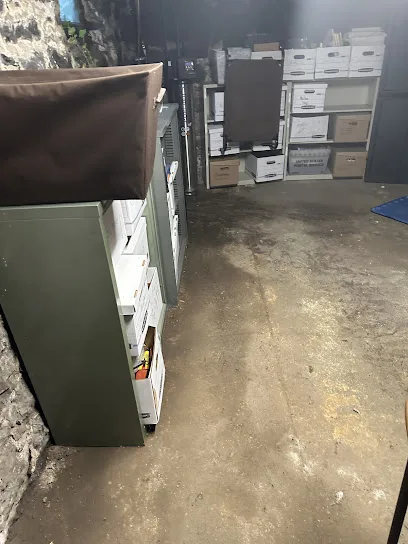
If you’re dealing with mold in a Buffalo-area home, the first question isn’t “Can it be removed?” It’s “What fed it in the first place?” That moisture story should control everything: inspection depth, containment, removal steps, and the final verification. For homeowners considering Green Genie LLC, the most useful approach is to evaluate their proposed plan against a few objective requirements—starting with how they identify and address the moisture source tied to water damage and mold remediation.
Moisture-route first: what to ask Green Genie before agreeing to work
Visible growth is only the end result. Before authorizing remediation, insist on an explanation of the moisture route—whether it’s a burst pipe, sewage backup, chronic condensation, or a flood-related delay. Green Genie LLC’s positioning around water damage and mold remediation fits this moisture-first mindset, but you still want their assessment to map the likely source to the affected materials in your home.
Request clarity on the route and what it reached: are they discussing the cause of the water intrusion, the extent of affected materials, and whether any water mitigation steps may have been needed earlier?
Containment that fits Tonawanda homes, not a one-size approach
Mold remediation work should be performed in a controlled way so spores don’t spread to clean areas. Containment becomes especially important when mold is in or near HVAC components, wall cavities, or subfloors—situations where disturbed materials can release spores.
Green Genie LLC’s public materials mention professional mold remediation alongside water damage cleanup. Use that framing to ask targeted containment questions: will they isolate the work area, control airflow during removal, and use appropriate personal protective equipment for occupants and workers? Their office address is listed as 594 Sheridan Dr, Tonawanda, NY 14150, United States, and you should treat every job as site-specific even if the company’s overall services sound similar.
Scope alignment: inspection, remediation, and verification should be explicit
A strong plan separates the work into phases. First comes inspection and reporting—ideally tied to moisture source identification and a realistic description of what’s impacted. Next comes remediation, where removal methods should match the contamination level and the material type. Finally, there should be a verification step to confirm the area has been brought back to a safer condition.
Before signing, request a written scope that clearly covers at least these items:
- What areas will be tested or inspected (and what “success” looks like for each area)
- Which materials are expected to be removed or treated
- How containment is established and how it’s maintained during demolition and cleanup
- How the end result is verified after remediation is complete
How they connect water damage timing to mold work
Mold remediation is rarely separate from water damage. If the job began after water exposure, drying and moisture control can influence whether remaining materials continue to support mold growth. When you review the proposal, look for language that links the mold work to the underlying water-damage timeline—rather than focusing only on visible colonies.
During the call: proof points you can test quickly
You can learn a lot in the first conversation, especially if you’re calling to discuss an estimate. Green Genie LLC lists a main phone contact at +1 716-466-6653 and an official website at http://www.greengeniewny.com/. Call with a short script and listen for specificity:
- Can they explain the moisture source in plain terms?
- Do they describe containment measures that fit the likely extent of the affected area?
- Is inspection, removal, and verification presented as distinct steps?
- Do they avoid overpromising and align the plan with what the inspection finds?
What should be documented after remediation
After cleanup, you should expect evidence that supports the claim that the remediation addressed the source-driven problem—not just the stain. If they can’t clearly explain what was assessed and what was verified, treat that as a red flag.
Practically, this means closing the loop on the original moisture story: if the moisture route wasn’t fully stopped, mold can return even when visible growth is removed. A decision-ready mold remediation plan should therefore treat containment, moisture control, remediation methods, and verification as one connected workflow.
When you choose a contractor like Green Genie LLC, your goal is alignment: the plan should reflect the actual water damage pathway, the true extent of materials impacted, and a contained process that protects the rest of the home while verification happens at the end.
More field postings
- Property Recovery 911 in Philadelphia: Decide Between a Mold Report and Remediation Property Recovery 911 lists mold remediation and water mitigation in Philadelphia. Use this guide to define whether the next decision is ins…
- DryDocs Restoration in Philadelphia: Connect Water Damage to Mold Remediation Scope DryDocs lists water extraction, structural drying, water damage restoration, and mold remediation. Use those service signals to clarify wher…
- MSR Restoration in Philadelphia: Prepare for a Mold Inspection Report Use MSR Restoration’s published inspection and remediation sequence to prepare a useful mold assessment, understand its limits, and decide w…