Home Field postings Mold Remediation Guides
Comprehensive Mold Management, LLC Mold Remediation: 6 Scope Details to Confirm Before Cleanup Starts in Rochester
Before remediation begins, homeowners should confirm moisture-source documentation, containment approach, and the steps that connect mold removal to drying and prevention—using specifics tied to Comprehensive Mold Management in Rochester.
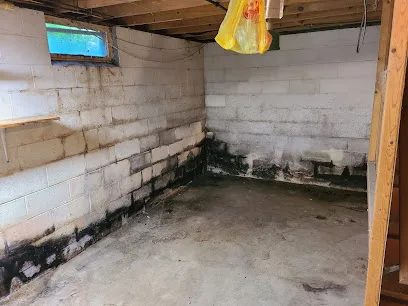
Mold remediation is rarely “just cleanup.” In most real homes, visible growth is the result of an underlying moisture pathway, and the job succeeds only if the contractor treats that pathway with a full, documented plan—inspection, containment, removal, and prevention work that follows the physics of drying.
Comprehensive Mold Management, LLC serves Rochester homeowners from 291 Buell Rd, Rochester, NY 14624, United States. Their public materials describe mold testing and a multi-step remediation process that includes finding and removing the mold’s source, containing it so it doesn’t spread, cleaning/removing it, and then taking steps to prevent further growth. The practical question is whether the plan you’re offered is specific enough to your building.
1) Ask them to explain the “why” (moisture source) behind the mold
When a crew talks only about the mold patch, the risk is that the problem returns. Before work starts, insist that the inspection ties the growth to a moisture source and likely cause—water intrusion, a leak, condensation, or an airflow issue that keeps materials damp. A strong remediation scope connects your observations to the steps that will be used to stop moisture at the source.
What good documentation sounds like
You should hear specific statements about what they found (or ruled out) and what that means for remediation choices. If you’re told you’re dealing with water damage pathways, ask how they’ll verify material conditions before demolition or removal begins.
2) Confirm containment is job-specific, not a generic promise
Containment matters because mold spores can spread during removal. Rather than accepting a broad statement like “we contain the area,” ask how they’ll isolate work zones based on your layout (doorways, HVAC returns, staging area) and how they’ll manage dust and airflow during the work.
3) Get clarity on inspection and mold testing before removal expands
Comprehensive Mold Management’s site describes mold testing (air or surface) as a step performed to determine the presence, types, and concentration of mold spores. Even when testing isn’t always required for every scenario, you should not feel pressured to skip documentation—especially if the growth is extensive, hidden, or connected to a recent water event.
Ask: Will the inspection and/or testing change the remediation scope? What will the report tell you that affects containment, demolition, or clearance?
4) Make “remediation” include drying and stabilization, not only removal
Many projects fail because moisture isn’t fully addressed. Your contractor’s scope should reflect the sequence: identify the source, contain, remove contaminated materials, and then take the necessary steps to prevent further mold growth—usually tied to drying and stabilization of building materials.
When a provider describes mold remediation as multi-step work (source removal, containment, cleaning/removal, and prevention steps), that language is a helpful starting point. The key is whether their scope ties those steps to your specific materials and conditions.
5) Ask what will happen to water-damaged materials you can’t “see” yet
If the mold is near plumbing, under windows, or following a leak, ask what areas they assess for secondary contamination. A credible plan explains how far the inspection reaches and how they decide whether more materials must be removed after they confirm the extent.
6) Use contact details to verify current service scope and scheduling
If you want to talk through the job requirements directly, Comprehensive Mold Management lists +1 585-235-6182 and an official website at http://www.compmold.com/. Before agreeing to a start date, ask whether they’ll review your situation in a way that leads to an inspection-based scope—not only a price.
Bottom line: the safest remediation decision is the one supported by a clear inspection narrative—what caused the moisture, how the area will be contained during removal, how materials will be cleaned and dried, and what prevention steps will follow. If those details are missing, ask for them before work begins.
More field postings
- Property Recovery 911 in Philadelphia: Decide Between a Mold Report and Remediation Property Recovery 911 lists mold remediation and water mitigation in Philadelphia. Use this guide to define whether the next decision is ins…
- DryDocs Restoration in Philadelphia: Connect Water Damage to Mold Remediation Scope DryDocs lists water extraction, structural drying, water damage restoration, and mold remediation. Use those service signals to clarify wher…
- MSR Restoration in Philadelphia: Prepare for a Mold Inspection Report Use MSR Restoration’s published inspection and remediation sequence to prepare a useful mold assessment, understand its limits, and decide w…