Home Field postings Mold Remediation Guides
Rhode Island Restoration in North Providence, RI: 7 Mold-Remediation Decisions to Confirm Before Cleanup Starts
If you’re dealing with mold after water damage, this decision guide shows what to verify with Rhode Island Restoration—inspection, containment, drying proof, and scope boundaries—using their North Providence contact signals.
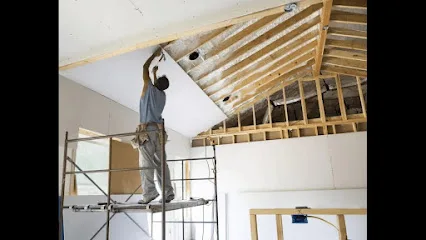
Mold remediation after water damage isn’t solved by what you can see on the surface. It’s solved by decisions you can verify: how the team documents the moisture story, how it contains contaminated areas, how it proves materials are dry, and how it separates “removal” from final conditions. If you’re considering Rhode Island Restoration for a North Providence, RI case, here are the practical checks that help you judge fit before anyone starts demolition or cleanup.
1) Confirm the moisture story with documentation, not assumptions
Before remediation begins, ask what evidence they use to identify the moisture source and what caused the indoor conditions to stay wet long enough for mold to grow. A credible approach should connect the investigation to the remediation plan—especially for hidden or repeat moisture problems like plumbing leaks, crawlspace seepage, or HVAC condensation.
2) Containment should match your rooms and airflow path
Containment is where many “quick fixes” fail. You want a plan that addresses how air moves through the home, not just plastic sheeting. Ask how they isolate work zones, how they manage particulate control during removal, and how containment is maintained until the job reaches documented end conditions.
3) Separate “mold remediation” from later reconstruction scope
Many owners want one price for everything, but you’ll evaluate quality better when you understand boundaries in writing. Ask them to define what they will handle during remediation (assessment, cleaning/removal, and environmental controls) versus what comes later (repairs, rebuilding, and finish work). Clear scope helps prevent surprises if wall cavities, insulation, or flooring assemblies require additional steps.
4) Demand drying proof tied to the materials that mattered
Mold remediation relies on drying—yet drying isn’t complete until the key materials are demonstrated to be dry. Ask what measurements they take, which areas they monitor (including cavities and subfloor zones where moisture collects), and how they document that the property is ready for next steps. Without drying proof, mold can return even after visible growth is removed.
5) Make sure the plan includes cleaning and pack-out decisions
Ask how they handle contents and belongings if there’s contamination risk. For larger losses, the remediation plan should address what is cleaned in place versus what is packed out and stored. If there’s sewage or heavy contamination concerns, ask for the process boundaries and how they prevent cross-contamination during moving and cleaning.
6) Know the end point: removal is not the same as final conditions
One of the most important questions is, “When do you consider the remediation job finished?” The answer should include end-point criteria such as stable moisture control, safe work-zone conditions, and confirmation that affected materials were addressed appropriately. If they can’t explain the end point clearly, ask what evidence they will provide for your records.
7) Use the North Providence contact signals to validate basics before you commit
For Rhode Island Restoration, you can start by verifying contact details and aligning expectations early. Their public contact information lists an address in North Providence: 1417 Douglas Ave, North Providence, RI 02904, United States, and a phone number you can call for scope clarification: +1 401-293-2039. Their official website contact page is http://rirestoration.com/contact. When you call or submit a request, ask whether their plan includes moisture mapping, containment, and drying documentation for your specific situation—not just general mold removal.
If you approach the job as a sequence of decisions—moisture proof, containment, drying evidence, and clear scope boundaries—you’ll be more prepared to spot vague answers and make a confident choice. Mold remediation should feel measurable and reviewable, not mysterious. Use these questions to structure your call, then request a written remediation scope that matches the evidence in your property.
More field postings
- Property Recovery 911 in Philadelphia: Decide Between a Mold Report and Remediation Property Recovery 911 lists mold remediation and water mitigation in Philadelphia. Use this guide to define whether the next decision is ins…
- DryDocs Restoration in Philadelphia: Connect Water Damage to Mold Remediation Scope DryDocs lists water extraction, structural drying, water damage restoration, and mold remediation. Use those service signals to clarify wher…
- MSR Restoration in Philadelphia: Prepare for a Mold Inspection Report Use MSR Restoration’s published inspection and remediation sequence to prepare a useful mold assessment, understand its limits, and decide w…