Home Field postings Mold Remediation Guides
ServiceMaster of Greater Springfield Mold Remediation: Verify Inspection, Containment, and Drying Proof
Before mold cleanup in Springfield, MA starts, learn what a provider should document: inspection findings, containment setup, and drying verification proof.
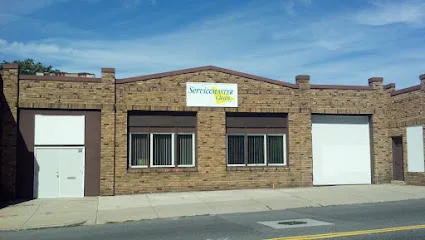
Mold remediation in a home is rarely solved by “scrubbing what you see.” In Springfield, MA, the decisions that matter most happen before demolition, before removal equipment shows up, and before anyone declares the job finished. If you’re considering ServiceMaster of Greater Springfield at 38 Mill St, Springfield, MA 01108 (phone +1 413-327-9856), use the points below to pressure-test the plan and reduce the risk of repeat moisture-driven growth.
Translate the inspection promise into a deliverable you can review
A credible remediation plan should explain how the conditions for growth were created—then document what’s affected. ServiceMaster Restore’s Springfield messaging describes work intended to “identify growth, contain and remove contamination, and address moisture conditions to reduce the risk of return.” In practice, that means you should be able to point to an inspection deliverable: room-by-room findings, an explanation of what materials are affected, and notes about likely hidden risk behind walls or under finishes where moisture may have traveled.
Instead of accepting vague reassurance like “we’ll check everything,” ask for boundaries: what areas are included in the inspection, what is excluded, and what triggers additional investigation if new information shows up during work.
Containment should match how air moves through your home
Containment is one of the most important engineering steps in mold remediation, because it helps prevent dust and contaminated debris from migrating. Your containment approach should reflect your layout and airflow pathways—such as which rooms share HVAC return paths and how doors and vents connect.
Ask how the work zone will be isolated (including how pressure control and physical barriers are used), and what they do to protect shared spaces like hallways and other interconnected areas where dust could travel during removal and cleanup. If the plan focuses only on cleaning without describing how isolation will be maintained, you’re missing a key control point.
Get a scope that separates removal, cleaning, and the reason for each step
Mold remediation scope should be specific enough that you can evaluate it later. Before removal begins, you should know what materials will be removed, what will be cleaned in place, and how they decide between those options. If demolition is recommended, ask them to explain how that step supports the containment approach and reaching dry conditions afterward.
Look for an agreed sequence you can follow: assessment → setup/containment → removal/cleanup → drying verification → final steps.
Drying proof matters: verify that moisture control was achieved
Even after visible material is removed, mold risk remains if moisture stays in structural components. That’s why the end of the job should include evidence that moisture is controlled across affected materials—not just in the most obvious areas.
Ask what drying verification looks like in practice and how results are communicated to you. ServiceMaster Restore’s framing around addressing moisture conditions is a strong direction; your next step is to make sure the plan includes measurable drying targets and clear documentation that those targets were reached over time.
Key questions to confirm before work starts
When you call +1 413-327-9856 or visit https://www.servicemasterrestore.com/servicemaster-of-greater-springfield, use these prompts to confirm the plan is concrete enough to prevent “we thought you meant…” moments:
- How will inspection findings be documented room by room, and what areas are excluded?
- How will containment be tailored to my layout and airflow paths?
- What materials are planned for removal versus cleaning, and why?
- What drying verification will you provide after remediation, and how will you prove moisture control was achieved?
- What happens next if hidden contamination is discovered during work?
How to compare providers without relying on promises
The safest way to compare mold remediation options is to compare how clearly they explain three things: inspection scope, containment controls, and drying proof. If their answers stay general, request specifics and ask for documentation you can review. If they provide concrete evidence and a logical sequence that aligns with moisture control, you’ll be in a better position to make a confident decision—especially after a water event.
More field postings
- Property Recovery 911 in Philadelphia: Decide Between a Mold Report and Remediation Property Recovery 911 lists mold remediation and water mitigation in Philadelphia. Use this guide to define whether the next decision is ins…
- DryDocs Restoration in Philadelphia: Connect Water Damage to Mold Remediation Scope DryDocs lists water extraction, structural drying, water damage restoration, and mold remediation. Use those service signals to clarify wher…
- MSR Restoration in Philadelphia: Prepare for a Mold Inspection Report Use MSR Restoration’s published inspection and remediation sequence to prepare a useful mold assessment, understand its limits, and decide w…