Home Field postings Mold Remediation Guides
All Island Restoration Mold Remediation: What to Verify in a Plan Before You Approve the Quote
Before you approve a mold remediation quote, confirm the moisture source, job-specific containment, and whether water-damage mitigation is included—using All Island Restoration as a reference.
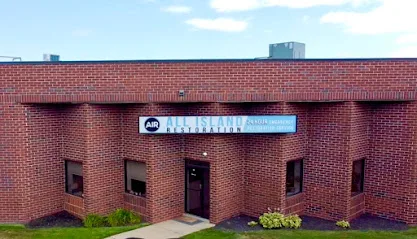
If you suspect mold after a leak, flood, or recurring dampness, the quote you receive matters almost as much as the cleanup itself. For Long Island homeowners considering All Island Restoration, a strong plan should connect the mold problem to the moisture conditions that allowed it to grow—so the work doesn’t stop at visible remediation.
Match the scope to the moisture source behind the mold
Mold remediation is usually the second chapter. The first is identifying what kept materials damp long enough for growth. A credible contractor should be able to explain how water damage connects to the mold area—whether the moisture came from a plumbing failure, roof leak, storm intrusion, or chronic humidity—and what evidence supports that conclusion.
Before signing anything, ask for a clear explanation of the suspected cause and what they used to confirm it, including affected materials and what was visibly wet versus what later developed odor or staining. The goal is to avoid “cleanup-only” outcomes where you remove growth but the underlying dampness remains.
Containment should be job-specific, not generic
Your on-site plan should include practical safety controls matched to the affected conditions. For mold work, that typically involves barriers and containment that reflect the area and airflow, plus precautions to limit cross-contamination while work is underway. If the contractor can’t describe how they will protect occupants and unaffected spaces, that’s a planning gap you should address before approval.
All Island Restoration’s official website frames its work around water, fire, and mold cleanup. Still, you should expect the same level of specificity for your project: which rooms will be contained, how dust will be controlled, and how materials will be staged and removed during the work.
Separate inspection, containment, remediation, and verification
Ask how the project phases fit together. A well-structured plan doesn’t treat containment and cleanup as add-ons—it lays out inspection steps first, then the controls needed to do the work safely, and finally the verification steps that confirm the remediation was completed to the intended standard.
Clarify whether water damage mitigation is included in the estimate
Because mold follows water damage, the remediation plan should describe how the team will address the conditions that feed mold—often by addressing wet materials, managing moisture, and setting a drying approach. If the estimate reads like “remove mold and move on,” ask whether the scope includes the water-damage portion that actually makes the remediation stick.
For example, request the contractor’s explanation of what they will do for porous or difficult-to-dry materials, and whether they will coordinate removal and restoration as part of the same plan. This matters most when the impacted area includes drywall, insulation, flooring assemblies, or concealed spaces.
Use focused questions to compare quotes on the same criteria
When you call, you want answers—not reassurance. Since All Island Restoration lists a way to reach the team by phone and provides an official website, use that access to get project-specific details and confirm how they will run the job.
- What inspection steps will you use to confirm the extent, not just where you can see mold?
- How will you set up containment to match the affected area and airflow in the space?
- How will you document the work so you can confirm remediation is complete?
- What will you do with affected materials—clean, remove, or replace—and how is that decision made?
These questions help you compare bids using the same standards instead of vague promises.
Long Island fit checks: logistics and property access
Long Island homes can face different moisture patterns depending on season, building envelope details, and prior water events. A plan should reflect your property, not just a standard approach. Use the contractor’s local presence to verify logistics: confirm the proposed timeline, how they’ll access the affected areas, and what they expect from you (such as moving items or providing access to utilities).
All Island Restoration provides contact details for Long Island support, including +1 631-780-5332 and an office address at 700 Union Pkwy STE 9, Ronkonkoma, NY 11779. For decision-making, use those details to reach the team, then verify scope fit by matching the plan to the moisture cause and the affected materials in your home.
Approve only the plan that controls the conditions behind the mold
A mold remediation quote is only as strong as its alignment with the underlying water damage and its containment/safety details. If a contractor can clearly explain the moisture source, tailor containment to the job, and include mitigation steps that address damp conditions, you’re far more likely to get a result that lasts beyond the cleanup phase.
If you’re evaluating All Island Restoration, use the questions above to confirm the estimate is more than surface-level mold removal—because in mold remediation, the real win is controlling the conditions that created the problem.
More field postings
- Property Recovery 911 in Philadelphia: Decide Between a Mold Report and Remediation Property Recovery 911 lists mold remediation and water mitigation in Philadelphia. Use this guide to define whether the next decision is ins…
- DryDocs Restoration in Philadelphia: Connect Water Damage to Mold Remediation Scope DryDocs lists water extraction, structural drying, water damage restoration, and mold remediation. Use those service signals to clarify wher…
- MSR Restoration in Philadelphia: Prepare for a Mold Inspection Report Use MSR Restoration’s published inspection and remediation sequence to prepare a useful mold assessment, understand its limits, and decide w…