Home Field postings Mold Remediation Guides
What Should a Mold Remediation Closeout Record Show?
A useful mold remediation closeout record ties the agreed work area to completed tasks, material decisions, moisture information, and the repair handoff.
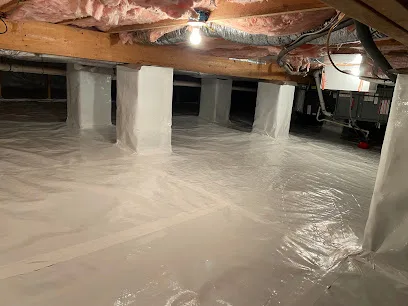
A useful mold remediation closeout record makes it possible to trace what was addressed, where the work took place, and what remains before repairs proceed. It should connect the project’s agreed work area to dated observations and completed tasks rather than relying on a general statement that the job is finished. Record formats vary by project and agreement, so review the packet against the scope you expected.
Check that the record matches the agreed work area
Begin with locations and materials. Room names, floor levels, or another clear location description help distinguish a basement corner from a nearby storage room. The record should identify the affected materials or surfaces included in the work and note scope changes that occurred after work began. A change may reflect newly observed conditions or a revised boundary; what matters for the handoff is that the final record explains which areas were included.
Dated notes and photographs are most useful when they can be tied to a specific place. A photo labeled only “before” is difficult to compare with one labeled “after” if neither identifies the room or surface. Imagine a project involving a utility room and an adjacent hallway: location labels let a reader see whether a photographed wall, removed section, or remaining finish belongs to the original work area or to a later change. This connection helps homeowners, property managers, and repair trades understand the project without guessing which part of the building a note describes.
For each location, look for a clear distinction between the affected area, the work boundary, and any nearby space that was not part of the work. These are not interchangeable descriptions. A record that names a room but does not identify the relevant materials may leave the work difficult to interpret; a material list without locations can create the same problem.
Separate work performed from materials removed
A work log should show what happened, when, and where. Entries may describe cleaning or removal tasks and identify a change from the initial plan. Dates matter because a sequence of observations and work entries is easier to understand than an undated list. The level of detail should be enough to connect each task to a location and to the scope, not merely to repeat that remediation was completed.
Material disposition deserves its own clear description. Distinguish items removed from items cleaned and left in place, and associate each decision with the room or area. For example, “removed wallboard, utility room” communicates a different outcome from “cleaned framing, left in place, utility room.” These distinctions help the reader understand what was taken out and what remains as part of the building. If the record uses broad labels such as “debris” or “surfaces,” check whether another entry clarifies the location and material.
A compact record can make these categories easy to scan:
| Record element | Useful detail |
|---|---|
| Work log | Date, location, and task performed |
| Material disposition | Material and area; removed or cleaned and retained |
| Scope change | What changed, where, and when it was documented |
Looking for this separation is more informative than treating every entry as a generic “cleanup” item. It gives anyone planning follow-on repairs a better basis for identifying surfaces that were removed, those that remain, and tasks that still need attention.
Read the moisture and repair handoff
Mold remediation and reconstruction are related, but they are not the same description of work. A closeout packet should make the moisture-source handoff understandable: identify the source addressed when that work was included, and identify repair or source-control tasks still outstanding. For instance, a record might document remediation in a room while separately noting that a building repair is pending. That distinction helps prevent a reader from confusing completion of one scope with resolution of every condition affecting the space.
When drying measurements are included, their context matters as much as the numbers. Look for the date, measurement location, and material measured. A reading without those details is hard to compare with another reading or connect to a particular part of the structure. A short sequence tied to the same location can show how observations changed over time, while scattered figures without locations cannot provide the same clear handoff.
Use the record to identify who owns each remaining task and what must happen before the next trade begins, if those responsibilities are part of the project documentation. “Repair pending” is less actionable than a note that identifies the affected area and the repair still needed. If a moisture source or repair remains unresolved, the practical decision is to coordinate that work before closing affected building materials.
Confirm how completion was checked
Look for a dated final walkthrough or inspection note that names the areas reviewed and describes visible conditions or remaining work. A clear entry gives the reader a place, a date, and an observation, rather than a bare “complete” label. This provides a more useful record for later maintenance or repair decisions because it shows what the handoff actually covered.
Some project agreements call for a separate verification deliverable. If yours does, match the document in the closeout packet to the agreed deliverable and review which areas and criteria it addresses. Do not assume that a general completion note is a substitute for a separately specified report; the project agreement determines what documents were expected.
For a local point of contact, see Clean Slate Restoration.
A closeout record is most useful when another person can follow its locations, dates, tasks, material decisions, and handoff without having to infer what “finished” meant. That traceable record can support a more orderly transition from remediation to any remaining repair work.
More field postings
- How to Sequence Restoration When Water Damage Leads to Mold When water damage leads to mold, the work should move from controlling moisture to drying, mold remediation, and then repairs. Here is why t…
- How to Decide Whether to Clean or Discard Mold-Affected Belongings Learn how an item's material, hidden layers, moisture history, and usefulness can guide a practical clean-or-discard decision after mold or …
- How to Tell Whether Indoor Dampness Is Condensation or a Water Leak Learn how timing, location, and simple observations can help distinguish condensation from a leak—and what to investigate next when dampness…