Home Field postings Mold Remediation Guides
What Should a Mold Remediation Work Plan Spell Out?
A useful mold remediation work plan names affected rooms and materials, explains the work and nearby protections, assigns the moisture repair, and sets change-control steps.
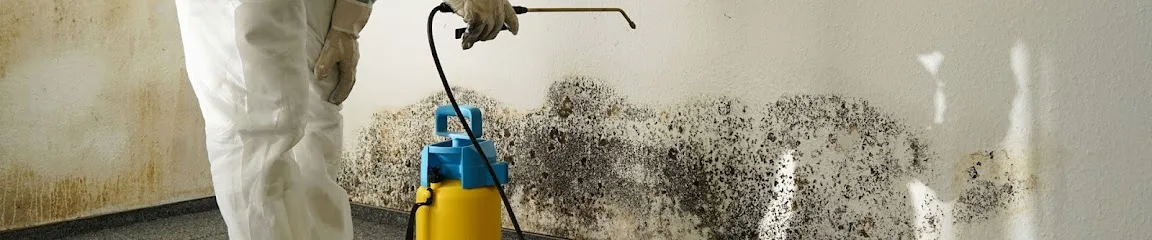
Before mold cleanup begins, a written work plan should make four things understandable: where the work will happen, what will be done to each affected material, who will address the moisture source, and how newly discovered damage will change the scope. A label such as “mold remediation” does not answer those questions. Specifics help a homeowner compare proposals, understand which rooms may be affected, and identify unresolved decisions before work starts.
Make the work area specific
Look for locations and materials, not just a broad room name. A plan might distinguish a section of drywall from the flooring below it or cabinetry beside it. Where several rooms are involved, each should be identifiable rather than bundled into “the affected area.” This detail creates a shared boundary: the owner and contractor can tell what the written scope covers and what it does not.
Also look for a description of the limits of what is currently visible. A surface inspection may not show every condition behind a wall, under flooring, or inside a cabinet. The plan does not need to predict hidden damage; it should make clear how the known work area is defined and how concealed conditions will be handled if discovered. For example, if a stain is visible on a ceiling but the source or extent is unclear, the written scope can distinguish the visible area from any additional material that might be exposed later.
That boundary matters when comparing estimates. Two proposals may both say “remove mold,” while one identifies specific materials and locations and the other leaves the area undefined. Without matching boundaries, differences in price or duration may reflect different amounts of work rather than different rates for the same job.
Match the planned work to materials and surroundings
Materials do not all respond to the same treatment. A plan should say, in plain language, whether each listed material is expected to be removed, cleaned, or handled another way. The point is not to prescribe a technique from a general checklist; it is to make the proposed action legible for each part of the scope. If drywall is designated for removal while a nearby hard surface is to be cleaned, those distinct decisions should not disappear under one phrase such as “treat all affected areas.”
Then consider where the work will take place and what is nearby. The document should describe how the work area will be separated or protected and whether access to adjoining rooms or contents could be affected. These details help a household plan where people can move, which belongings may need attention, and whether the proposed boundary seems consistent with the listed work. For instance, a plan covering a wall beside a closet should make it possible to understand whether the closet is included, excluded, or subject to reassessment if conditions change.
If you are comparing plans, compare like with like: locations, materials, planned actions, and the described protection of surrounding spaces. A longer technical description is not automatically clearer if it never says which material receives which treatment.
Assign responsibility for the moisture source
Mold remediation addresses affected areas; preventing recurrence also depends on the conditions that supplied moisture. A work plan should identify the suspected source when it is known and say whether its repair is part of the scope. If another trade or the property owner will handle it, the document should name that division of responsibility rather than leaving the repair implied.
For example, water damage associated with a plumbing leak can involve separate tasks: stopping or repairing the leak, addressing affected building materials, and completing any later reconstruction. The plan should clarify which party is responsible for each task and whether cleanup is scheduled before or after the source repair. This makes a practical difference: a remediation scope that does not include plumbing work should not be mistaken for a complete leak repair.
When the source is uncertain, the useful question is what decision remains open and who will resolve it. A defined next step—such as inspection of the suspected source by the responsible party—helps coordinate the work without assuming that cleanup alone corrects the underlying moisture condition.
Set a process for newly discovered damage
Opening a finish can reveal materials or affected areas that were not visible when the plan was prepared. Agree in advance on how a proposed scope change will be described: the newly found location or material, the additional work being proposed, and any change to cost or schedule. The written process should also say who reviews and approves that change.
Say a wall opening reveals damage extending beyond the area named in the original scope. A clear change process gives the owner a chance to review the new description before deciding whether to authorize added work. Keep the original scope and the revision distinct so there is a record of what changed and why. If immediate protective action is proposed, the plan should distinguish that action from later work requiring approval; do not let an informal conversation stand in for a revised scope and its terms.
A useful work plan is specific enough to compare and coordinate, yet honest about what cannot be seen before work begins. For another local point of reference, see Mold Remediation Fort Lauderdale.
More field postings
- What Happens During Water-Damage Drying After a Leak? Learn how restoration drying moves from stopping the leak and removing bulk water to drying materials, checking moisture, and deciding when …
- Can Moldy Belongings Be Saved? Decide by Material, Condition, and Value A practical way to assess moldy belongings: compare material, construction, extent of growth, condition, and restoration value before decidi…
- What Does Mold Remediation Clearance Actually Verify? Learn what a post-remediation assessment can establish through scope, visual review, moisture checks, and optional sampling—and what its fin…