Home Field postings Mold Remediation Guides
W&K Restoration Mold Remediation in East Hartford: 6 Scope Details to Confirm Before Work Begins
Before W&K Restoration starts cleanup, confirm containment, measured drying/monitoring, IICRC S520-aligned clearance, and written documentation so the scope matches your property.
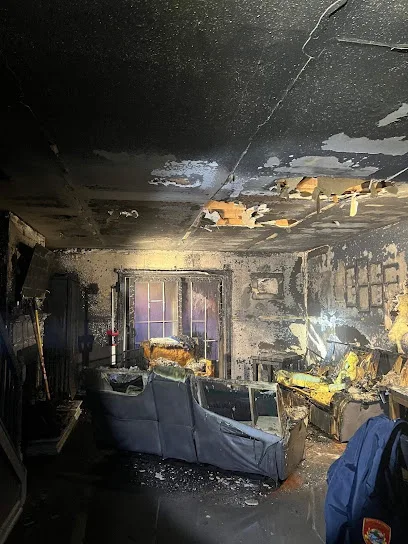
Mold remediation is rarely just about removing visible growth. In East Hartford homes where water damage starts the problem, the remediation plan has to follow the moisture path, control dust and spores during work, and prove that materials are actually dry and safe. W&K Restoration (111 Roberts St, East Hartford, CT 06108) describes a mold remediation workflow built around containment, removal, and clearance “done to IICRC S520 standard,” along with water-loss mitigation steps such as extraction, structural drying, and monitoring with measurements—not guessing. If you’re deciding whether their approach fits your situation, these six scope details are the most important to confirm up front.
Confirm the scope follows where water traveled
Instead of focusing only on stains or what’s easiest to see, ask how they determine where the water traveled—such as drywall cavities, baseboards, subfloor edges, or other hidden pathways—and how that affects what needs to be opened, cleaned, and addressed. W&K’s process description emphasizes assessing the damage, stopping the source, and then using emergency mitigation steps like drying and containment. Your questions should test whether the scope follows the real path of loss in your home.
Get a clear, written definition of containment
Containment controls spores and dust during work. Rather than accepting the word “containment,” request specifics: which areas will be sealed, what materials are present in the work zone (carpet, drywall, insulation, wood framing), and what barriers or planning are used to help prevent spread into unaffected rooms. W&K’s process references containment as part of mold remediation and also notes extraction and drying as part of water-loss mitigation. For your project, ask for the containment approach in writing and tied to your rooms and materials.
Ask how drying is measured, monitored, and documented
Drying is where many remediation projects succeed or fail. The goal is that drying is measured and monitored until the structure reads dry, not simply that equipment was run for a set number of days. W&K’s notes include daily moisture readings and monitoring until the structure reads dry. In practice, ask what meters are used (and how they apply targets by material), how readings are logged, and whether you’ll receive documentation that supports the drying timeline.
Understand what “removal” covers—and what clearance includes
Some homeowners assume the job is complete once affected materials are removed. Clearance is the verification step that helps demonstrate the work was effective. Since W&K’s mold remediation page references clearance and says it is done to IICRC S520 standard, ask what their clearance step involves for your case—what methods are used, when clearance is performed, and what documentation you should receive. If testing is part of clearance for your project, ask how those results are interpreted and how the process aligns with the documentation you may need.
Request an insurance-ready scope before demolition starts
W&K’s site describes “insurance-grade documentation” and a process for documenting damage and mitigation steps. Even if you’re not filing a claim right away, the same written clarity helps you understand what’s planned and what boundaries the work will follow. Ask for a written scope that clearly lists what will be removed, what will be cleaned, what will be dried and monitored, and what containment steps are planned—so there aren’t surprises later when conditions change.
Confirm the schedule and access plan for contained work
Containment, drying equipment, and verification steps require coordination and access planning. Ask how timing is handled across phases—such as demo, drying, and clearance—and what your household needs to do during the work (including any limits related to keeping areas undisturbed until containment and drying steps are complete). This is especially important when parts of the home must remain stable so verification steps can be performed properly.
Use these confirmation questions when you speak with W&K
To quickly determine whether their mold remediation scope matches your property, ask: (1) How will you identify the full moisture-affected area in my home? (2) What containment setup will you use, and what rooms/materials does it cover? (3) How will you measure and document drying until materials “read dry”? (4) What does clearance include in your process, and what documentation will I receive? (5) Can you provide a written, insurance-ready scope before demolition?
Mold problems can return when the plan stops at visible growth instead of addressing moisture conditions, containment, and verification. If you confirm how W&K Restoration approaches containment, measured drying/monitoring, and IICRC S520-aligned clearance, you’ll be able to compare their proposed scope against what your home actually needs—before work begins. For questions, reach the company at +1 860-282-8938 or visit https://wkrestoration.com/.
More field postings
- Property Recovery 911 in Philadelphia: Decide Between a Mold Report and Remediation Property Recovery 911 lists mold remediation and water mitigation in Philadelphia. Use this guide to define whether the next decision is ins…
- DryDocs Restoration in Philadelphia: Connect Water Damage to Mold Remediation Scope DryDocs lists water extraction, structural drying, water damage restoration, and mold remediation. Use those service signals to clarify wher…
- MSR Restoration in Philadelphia: Prepare for a Mold Inspection Report Use MSR Restoration’s published inspection and remediation sequence to prepare a useful mold assessment, understand its limits, and decide w…