Home Field postings Mold Remediation Guides
Vanguard Mold Remediation in Springfield, MA: Decisions to Verify Before Cleanup Starts
Before mold remediation begins, Springfield homeowners can use Vanguard’s public signals—like its nationally accredited testing and dry ice blasting—to ask tighter, more verifiable questions about inspection, containment, and proof of completion.
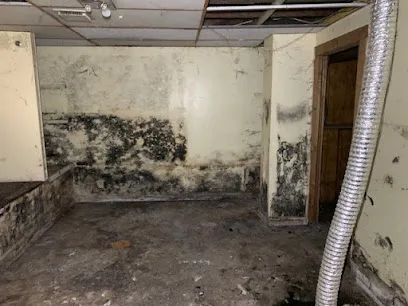
Mold remediation is rarely just about removing visible growth. For a Springfield, MA property owner, the better starting point is making sure the remediation plan is built around a moisture source story, clear containment boundaries, and documentation that work is actually complete. Vanguard Mold Remediation, Inc. (966 Bay St Suite A, Springfield, MA 01109; https://www.vanguardserv.com/) markets itself as an approach that combines mold inspection and removal with advanced testing and dry ice blasting—so the most productive “first decisions” are the ones you can verify in writing before cleanup starts.
Start with the inspection deliverable, not the diagnosis
When a remediation company says it will handle mold, ask what the inspection results include and how they will be used to set scope. Vanguard’s site describes “fully certified mold inspectors” and “advanced testing,” including that samples are tested by nationally accredited laboratories. Before work begins, request the format of the inspection output: Is there a written report that ties suspected areas to sampling locations, or is it only a walkthrough?
Also clarify the difference between identifying potential mold and defining remediation boundaries. A credible plan should state which materials and rooms are included, what remains outside the work scope, and what conditions could change the scope after containment is established.
What “water damage” means for your specific case
Because Vanguard also positions water damage restoration as part of its mold response, you should confirm how the contractor determines whether the moisture problem is active or historical. Ask which moisture-source checks are performed (for example, areas behind drywall, subfloors, or other hidden pathways) and how they prevent “treating the symptom” while the source remains.
Containment should match your layout, airflow, and materials
Containment is where many jobs become hard to evaluate after the fact. Even if you are not onsite during the work, you should be able to ask for specific containment details during the planning call. The goal is not a generic plastic barrier; it’s a controlled work zone that supports safer removal of contaminated materials and limits cross-contamination.
For Vanguard, public materials emphasize professional mold remediation and testing, so you can press for how containment will be implemented and documented. Ask: where are the containment boundaries, how is the work zone sealed, and how will airflow direction and debris handling be managed for the areas they plan to disturb?
Use a “before/after” expectation for containment
Request a clear explanation of what changes once containment is set up. For example, the contractor should be able to describe what you will see at the start of removal versus after sensitive materials are extracted, and what steps occur before the area is allowed to reopen.
Dry ice blasting is a method—ask what it replaces
Vanguard’s site mentions “dry ice blasting for mold removal.” Dry ice blasting can be useful in certain scenarios, but it should not replace the fundamentals. Before approving the remediation approach, ask what materials it is intended for and what it is not intended for. Does the plan rely on blasting to address porous materials, or are porous materials removed and then verified?
Use the method as a prompt to verify the full workflow: physical removal, cleaning, and then confirmation. If the only deliverable is the presence of equipment or a visual clean-up, you are taking a risk.
Proof of completion should be part of the plan
Because Vanguard states that its samples are tested by nationally accredited laboratories, ask whether verification is included after remediation. Clarify whether there is separate clearance testing or documented “done” criteria, and request the expected timeline: when testing happens, what results you will receive, and what happens if results do not meet the agreed thresholds.
Questions that keep scope and cost from drifting
Mold remediation plans often expand once materials are opened. To reduce surprises, ask for a scope explanation that is tied to the inspection findings. For instance, request that the contractor describe which structural or finished materials are expected to be removed, and what categories of additional work might be triggered if hidden moisture or additional contamination is discovered.
You can also request a simple written summary of next steps and responsibilities. The contact number on Vanguard’s site is +1 413-348-3172, so you can use that to confirm what preparation is needed from the homeowner (access paths, occupied areas, and coordination points).
What to confirm before anyone begins
At minimum, confirm: the inspection/report deliverable, the containment boundary description, the remediation method fit (including how dry ice blasting fits into the plan), and the verification or testing steps after work is completed.
Bottom line: verify the plan you can’t see
If you can’t see the containment, moisture pathway checks, or verification steps while work is happening, your best protection is asking for the written decisions up front. Vanguard Mold Remediation, Inc. provides public signals around certified inspection, nationally accredited lab testing, and dry ice blasting—so use those signals to demand clarity on inspection scope, containment boundaries, remediation method limits, and proof of completion for your Springfield property.
More field postings
- Property Recovery 911 in Philadelphia: Decide Between a Mold Report and Remediation Property Recovery 911 lists mold remediation and water mitigation in Philadelphia. Use this guide to define whether the next decision is ins…
- DryDocs Restoration in Philadelphia: Connect Water Damage to Mold Remediation Scope DryDocs lists water extraction, structural drying, water damage restoration, and mold remediation. Use those service signals to clarify wher…
- MSR Restoration in Philadelphia: Prepare for a Mold Inspection Report Use MSR Restoration’s published inspection and remediation sequence to prepare a useful mold assessment, understand its limits, and decide w…