Home Field postings Mold Remediation Guides
Lilly’s Restoration Mold Remediation Plan: What to Verify Before You Approve Cleanup
A mold remediation job should start with the moisture story and include clear containment and drying verification. Here’s what to confirm with Lilly’s Restoration.
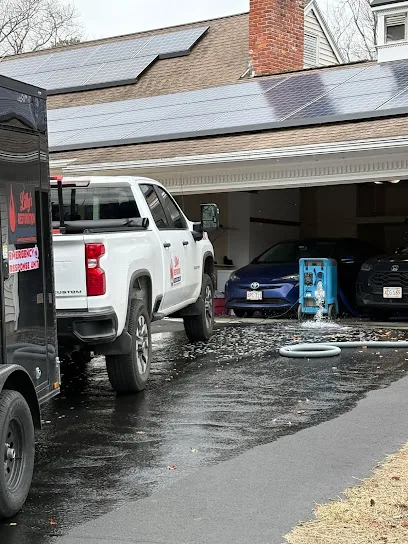
Mold problems rarely begin with visible growth. In most homes, they follow water intrusion—so the most important “first decision” is figuring out why moisture showed up and where it has continued to travel. Lilly’s Restoration (83 Comins Pond Rd, Warren, MA 01083) is listed as a provider of water damage restoration and mold remediation, and its public materials emphasize professional emergency response and the risk of further damage when cleanup is delayed.
For homeowners, the practical question isn’t “Do you handle mold?” It’s whether the remediation plan you’re being offered is documented well enough to actually stop the problem from feeding again.
Start with the moisture pathway, not the mold spots
Before any removal, a competent remediation contractor should explain the moisture pathway: what leaked, where water likely migrated, what materials were affected (drywall, insulation, subfloor, framing), and what conditions keep returning moisture in the same building zone. Ask for a short written summary you can follow room by room. If the explanation stays vague—“we’ll treat the area” without describing the likely source—expect an uphill battle because mold remediation without moisture control is usually restart-prone.
Use your inspection to define scope boundaries
Visible mold is often the end of the story. Your inspection should map affected materials and likely hidden reservoirs (for example, cavities behind damaged drywall or wet framing). A clear scope helps you confirm what’s included and what might be excluded—such as whether hidden dampness triggers additional removal, or whether the plan is limited to surface treatment. This is where homeowners should confirm that the contractor is addressing the conditions that create mold growth, not just the appearance.
Containment should match your layout, materials, and airflow
Containment is where many remediation projects succeed or fail. Lilly’s Restoration’s listing signals water damage restoration and mold remediation, and its public messaging highlights professional restoration and avoiding delay. Translating that into your job means you should be shown what containment looks like for your home: how work zones are separated, how dust is controlled during removal, and what precautions are used to prevent spread through common pathways.
Ask what gets isolated (and why)
For your specific case, ask how they will isolate the work area and protect unaffected rooms. If you have an open floor plan, multiple HVAC returns, or shared ventilation routes, containment should account for airflow paths. A good contractor can point to the “why” behind containment choices in plain language.
Drying verification is what tells you remediation progress is real
After water damage, equipment placement isn’t the same as drying verification. Your remediation plan should explain how they measure moisture reduction over time—what readings they track, what thresholds they consider meaningful, and what “dry” means for the affected materials. Without verification, you may remove mold while hidden dampness remains, which can lead to recurring odors or renewed growth.
Confirm documentation you can review
Request that you receive drying logs or progress documentation. Then verify that the contractor’s approach fits your situation: category of water loss, affected materials, and the time since the incident. If the plan doesn’t include measurement and recordkeeping, ask how they will prove the property is trending toward safe conditions.
Testing and assessment: separate “assessment” from “clearance”
Mold detection can be part of a broader assessment, but homeowners should understand what testing is intended to do. For example, initial assessment can help describe conditions and affected areas; “clearance” or post-remediation verification (if offered) is a different step. Ask the contractor to clarify whether they provide testing at specific points, what standards they reference, and whether testing is included in the remediation scope you’re being quoted.
Know what questions to ask during the call
Use your next conversation to confirm: (1) how they identify and document affected materials, (2) what containment means for your layout, (3) how they verify drying progress, and (4) what—if any—post-work verification looks like. This helps you avoid paying for a “cleanup event” that doesn’t fully address the moisture drivers.
How Lilly’s Restoration contact details help you move quickly
When timing matters, it helps to have a clear contact path. Lilly’s Restoration’s phone number is +1 413-213-3980, and its official website is https://lillysrestoration.com/. Use these details to ask for a call-back that includes the questions above, especially around moisture pathway documentation and drying verification.
Mold remediation is ultimately a sequence of decisions you can verify: identifying the moisture source and affected materials, building containment that matches your home’s airflow realities, and measuring drying progress so “removal” doesn’t become a temporary fix. If the contractor can explain those steps clearly—and show you the documentation behind them—you’re making a better, safer bet for the next months, not just the next day.
More field postings
- Property Recovery 911 in Philadelphia: Decide Between a Mold Report and Remediation Property Recovery 911 lists mold remediation and water mitigation in Philadelphia. Use this guide to define whether the next decision is ins…
- DryDocs Restoration in Philadelphia: Connect Water Damage to Mold Remediation Scope DryDocs lists water extraction, structural drying, water damage restoration, and mold remediation. Use those service signals to clarify wher…
- MSR Restoration in Philadelphia: Prepare for a Mold Inspection Report Use MSR Restoration’s published inspection and remediation sequence to prepare a useful mold assessment, understand its limits, and decide w…