Home Field postings Mold Remediation Guides
Steamatic of Connecticut Mold Remediation Decision Guide (North Haven, CT): What to Confirm Before Cleanup Starts
Before you approve mold remediation, confirm the moisture problem, containment plan, and documentation. Here’s how to evaluate Steamatic of Connecticut using the details they publish.
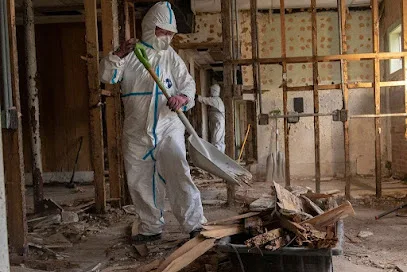
Seeing mold after a leak, a roof issue, a plumbing failure, or months of persistent dampness can feel like the “real problem” is the visible growth. In a mold remediation project, though, the better question is usually: what allowed moisture to stay long enough for mold to develop, and what will the remediation team do to stop it from returning?
For homeowners in and around North Haven, CT, Steamatic of Connecticut publishes clear, practical contact information and highlights a mold remediation and inspection focus. If you’re considering them, use the details below—plus a few specific verification questions—to make sure you’re approving a plan that’s built around water damage, not just surface cleanup.
Start with the moisture cause, not the staining
Before work begins, ask the contractor to explain the moisture source in plain language. For mold projects, the “cause” drives which materials are affected and what needs to be removed or dried. Steamatic of Connecticut’s own business info frames their work around water damage restoration and mold remediation/inspection, which aligns with this decision logic.
Make your discussion concrete. If mold appeared after a pipe burst, flooded basement, or recurring condensation issue, request that the inspection results describe the origin and the extent of impacted materials. The goal is to avoid a scope that treats mold patches as isolated spots while the underlying moisture path remains.
Confirm inspection deliverables: what gets measured and documented
When a company advertises mold remediation and inspection, homeowners should still clarify what “inspection” means on your property. Ask whether they will document the affected building materials and the conditions that support mold growth. In practice, you want a plan that ties moisture investigation to affected surfaces, such as drywall, insulation, subfloor, or structural cavities.
Steamatic of Connecticut is reachable at +1 203-806-9799 and lists its local address as 12 Corporate Dr, North Haven, CT 06473, United States. When you call, request that they provide written specifics for your project—especially which areas they believe are impacted and what evidence they used to reach that conclusion.
Containment should be described as a real boundary
One of the biggest differences between a remediation plan that protects the rest of the home and one that “cleans around” is containment. Ask how containment will be implemented room-by-room and what barriers will be used during removal. The aim is to prevent dust and disturbed spores from spreading while affected materials are handled.
Steamatic’s published business signals include containment and professional safety cleanup. Still, don’t assume that means your project is automatically covered. Ask for a clear description of where containment will be set up, what precautions the crew will follow, and how the work area will be managed until removal is complete.
Cleaning, disinfection, and “restore” decisions should match the exposure
Mold cleanup often involves more than vacuuming. You should understand what will be cleaned versus what will be removed, and why. For example, porous materials that have absorbed moisture may require removal rather than surface treatment. Non-porous materials may be cleaned and restored depending on the situation and the inspection findings.
Use this as your filter: if the plan calls for aggressive cleaning without addressing the affected materials identified in the inspection, the scope may be incomplete. Conversely, if the plan removes materials without explaining why they’re not restorable, you may be paying for extra demolition. The right approach is the one tied to your property’s materials and drying conditions.
Drying and follow-through: what happens after visible mold is gone
Even when visible mold is removed, water damage can linger inside walls, under flooring, and behind finishes. Ask how the team will manage drying after remediation and what “done” looks like for your specific situation. The plan should show that moisture control is part of the job—not just the initial cleanup.
Also ask whether the testing/inspection step (including any follow-up checks you may need) is separate from remediation work. If you’re budgeting, get clarity on what is included and what might be added depending on how the property dries.
Use the published quote channel to align expectations before you commit
If you want to start with the same channel Steamatic uses for requests, you can begin through their website’s quote flow at https://steamaticct.com/get-a-quote. While website forms are useful, confirm the details by speaking directly with the team. For your decision, your best leverage is the written scope: materials impacted, containment described as a boundary, and the drying/verification steps that will close the project.
By focusing on the moisture cause, the inspection deliverables, and containment documentation, you can judge whether a mold remediation plan is designed to work for your home—not just to produce a fast-looking cleanup.
More field postings
- Property Recovery 911 in Philadelphia: Decide Between a Mold Report and Remediation Property Recovery 911 lists mold remediation and water mitigation in Philadelphia. Use this guide to define whether the next decision is ins…
- DryDocs Restoration in Philadelphia: Connect Water Damage to Mold Remediation Scope DryDocs lists water extraction, structural drying, water damage restoration, and mold remediation. Use those service signals to clarify wher…
- MSR Restoration in Philadelphia: Prepare for a Mold Inspection Report Use MSR Restoration’s published inspection and remediation sequence to prepare a useful mold assessment, understand its limits, and decide w…