Home Field postings Mold Remediation Guides
SERVPRO of Meriden Mold Remediation in Wallingford, CT: What to Verify Before You Approve Cleanup
Use this decision guide to evaluate a mold remediation plan for water-damage homes in Wallingford, CT—focusing on inspection, containment, and written scope.
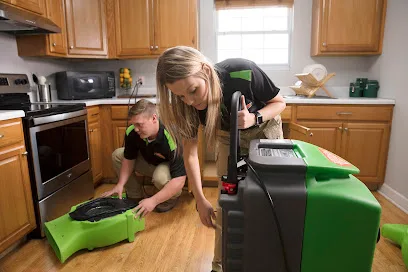
Seeing mold after a leak, condensation problem, or a long period of dampness can feel like the “cleanup” is the hard part. But for homeowners, the better question is whether the remediation plan you’re approving is built to solve the moisture problem, not just remove visible growth.
This guide is written for people in the Wallingford, CT area who are considering SERVPRO of Meriden for mold remediation. Use it to evaluate how their process matches your situation, so you can reduce re-growth risk and avoid scope gaps.
Start with the moisture source, not the staining
In mold remediation, the moisture source drives everything: what gets removed, how far contamination extends, and how long drying must continue. Before work starts, insist that the inspection narrative ties the mold to an underlying water source (for example, a past plumbing leak, a failed HVAC drain, or persistent humidity). The goal is to turn an assumption into an evidence-based plan.
For SERVPRO of Meriden, their local listing and official location page describe mold-related work alongside water damage restoration and storm/disaster response, which matters because mold jobs often follow moisture events. When you call at +1 203-491-1385, ask them to explain how they trace the cause and document what they find during the inspection.
Containment should be documented as a real boundary
One of the most important fit checks is containment. Professional remediation should treat the work area as a controlled boundary, not an open room where dust and spores can spread. Ask whether they plan containment around the affected rooms and whether they describe how they prevent cross-contamination during removal and cleaning.
SERVPRO’s location page specifically states that their mold work includes professional inspection, containment, and safe removal. That phrase is helpful, but your decision should come from details: what containment approach they use, which materials are involved (drywall, insulation, flooring, or HVAC components), and how they keep the rest of the home protected.
Clarify what “inspection” includes and whether you’ll get a report
Mold remediation decisions are easier when you have a written picture of the problem. Before approving cleanup, ask what their inspection covers and whether they provide an inspection report or a documented scope that you can review. Look for clarity on affected materials, the likely extent of contamination, and the practical steps they will take during remediation.
When a contractor can describe their inspection in a concrete way, you can compare plans across companies. If testing is mentioned, do not assume it is included—confirm what testing (if any) is performed, what the results are used for, and how it ties into the final scope.
Also, tie the work back to your timeline. If you already have materials removed, drying in progress, or a room that must remain usable, ask how that changes the remediation sequence.
Where the local details matter
The SERVPRO of Meriden location is listed at 1254 S Broad St, Wallingford, CT 06492, United States, and the official page provides contact access through their website. Using their public contact details can help you confirm scheduling, service coverage expectations, and what documentation they typically provide for mold remediation work.
Their official site is https://www.servpro.com/locations/ct/servpro-of-meriden?utm_medium=organic&utm_source=gbp. Use that to verify current service positioning, then bring your questions to the phone so you can confirm process details in real time.
Match scope to materials: remove, clean, or restore—why?
Many disputes happen because “mold cleanup” is treated like a single task. In reality, scope should match the material level of damage. For example, porous materials may require different removal and cleaning decisions than non-porous surfaces.
When you review the proposed plan, ask for the reasoning behind each step: why certain materials are being removed, what gets cleaned versus discarded, and how the drying phase is sequenced after remediation. A strong plan explains tradeoffs (cost, drying time, and exposure risk) rather than offering an incomplete checklist.
Protect your home after remediation: drying, verification, and closure
Remediation isn’t finished when the visible mold disappears. You want clarity on drying duration, how they verify conditions, and how they close out the work. Ask what “completion” means in writing—especially whether they connect drying and final checks to the original moisture source.
If your home had water damage, this step is often what determines whether mold returns. A remediation plan that includes containment behavior during work plus follow-through after cleanup is the best sign that the contractor understands mold as a moisture-driven problem.
By using these checks—moisture-source thinking, real containment boundaries, an inspection-and-scope documentation approach, and closure that addresses drying—you can judge whether SERVPRO of Meriden is a fit for your Wallingford, CT mold remediation need before you approve work.
More field postings
- Property Recovery 911 in Philadelphia: Decide Between a Mold Report and Remediation Property Recovery 911 lists mold remediation and water mitigation in Philadelphia. Use this guide to define whether the next decision is ins…
- DryDocs Restoration in Philadelphia: Connect Water Damage to Mold Remediation Scope DryDocs lists water extraction, structural drying, water damage restoration, and mold remediation. Use those service signals to clarify wher…
- MSR Restoration in Philadelphia: Prepare for a Mold Inspection Report Use MSR Restoration’s published inspection and remediation sequence to prepare a useful mold assessment, understand its limits, and decide w…