Home Field postings Mold Remediation Guides
Rhode Island Restoration Mold Remediation in Cranston: How to Judge Scope, Containment, and Drying Proof
Use this Cranston, RI mold remediation decision guide to confirm moisture mapping, containment controls, and what “drying is complete” really means before cleanup starts.
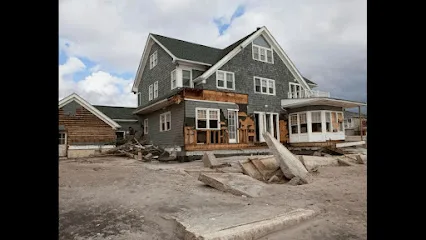
Mold remediation after water damage is rarely solved by scrubbing visible spots. For homeowners and property managers in the Cranston, Rhode Island area, the best way to judge whether a restoration contractor is a good fit is to focus on how they document the moisture problem, how they control the work area, and how they verify that drying is actually complete—before any cleanup is finalized.
Rhode Island Restoration lists mold remediation alongside water damage restoration, including services such as moisture mapping, drying, dehumidification, and environmental mold remediation. If you are comparing contractors, use the details below to separate “we can remove mold” from a remediation plan that is organized, traceable, and specific to your structure.
Start with moisture mapping, not the stained drywall
When a leak, flooding event, or ongoing moisture issue creates hidden mold conditions, the core decision is what the team treats as the source. Rhode Island Restoration’s service list emphasizes moisture mapping and structural drying. In practical terms, you should expect an explanation of how they identify the affected materials, what areas they plan to open (if needed), and how they determine what is still wet.
Ask the provider to describe what “moisture mapping” looks like on your property and how results drive scope. If they cannot clearly connect moisture findings to containment setup and remediation steps, it’s a red flag.
Containment should match the rooms you actually need to protect
Mold remediation is more than removal—it is also risk control. A contractor should be able to explain how containment is set up for your layout (for example, isolating rooms, controlling dust and debris, and preventing cross-contamination to unaffected areas). Rhode Island Restoration’s public services include environmental mold remediation, and the remediation decision you’re making should include how they protect occupants and belongings while work is underway.
For your decision, listen for specificity: what areas are isolated, how airflow and work zones are managed, and what happens if the job requires additional access. Vague answers that sound “one size fits all” usually signal that the containment plan is not tailored to the actual contamination footprint.
Separate mold removal from the proof that drying is complete
One of the most common remediation failures happens when teams remove mold growth but don’t properly document that drying is complete. Rhode Island Restoration’s listed water damage services include dehumidification and drying, which should translate into a clear drying verification step before areas are closed up.
Before work begins, ask what drying proof looks like in your case: what measurements are taken, how often they’re checked, and how they decide when materials have returned to an acceptable condition. If the plan does not include verification logic—only promises to “dry it out”—you will have a higher risk of recurring moisture and future mold activity.
Confirm the scope boundaries: what’s included, what’s not
Water damage and mold remediation often overlap with other recovery steps such as contents cleaning/pack-out and specialized cleaning. Rhode Island Restoration’s service list includes contents cleaning and pack-outs as well as environmental remediation categories. That means your scope should be defined in writing and aligned to your needs: are you dealing with surface mold only, or do you need deeper remediation tied to moisture mapping results?
Clarify the separation between remediation and later repairs (drywall replacement, flooring changes, repainting). A strong contractor will map what they do during remediation versus what other trades handle afterward, so you can plan access and avoid misunderstandings.
Use local contact facts to verify the current service path
If you’re reaching out, use the publicly listed contact details to confirm that the team can meet your timeline and job requirements. Rhode Island Restoration is listed with the address 16 Stafford Ct, Cranston, RI 02920, United States and phone +1 401-416-4150. Their official site is https://rirestoration.com/wakefield-ri/?utm_source=google&utm_medium=organic&utm_campaign=gmb&utm_content=cranston, which also references moisture mapping and environmental mold remediation.
When you call, ask how their process works from inspection to containment to drying verification. If answers are inconsistent or they can’t tie each step to the problem found, keep searching.
What a good decision sounds like on the phone
A contractor that fits your mold remediation needs should be able to explain your project in a sequence: identify moisture source → isolate and control the work area (containment) → remediate mold-related conditions → document drying proof → move into any cleanup/closure steps. You should be able to repeat that sequence back to them and still feel confident that each step is measurable.
Mold remediation decisions are time-sensitive, especially after water damage. Use moisture mapping, containment specificity, and drying verification as your three anchors. If a contractor can’t explain those parts clearly, the problem isn’t just the mold—it’s the plan.
More field postings
- Property Recovery 911 in Philadelphia: Decide Between a Mold Report and Remediation Property Recovery 911 lists mold remediation and water mitigation in Philadelphia. Use this guide to define whether the next decision is ins…
- DryDocs Restoration in Philadelphia: Connect Water Damage to Mold Remediation Scope DryDocs lists water extraction, structural drying, water damage restoration, and mold remediation. Use those service signals to clarify wher…
- MSR Restoration in Philadelphia: Prepare for a Mold Inspection Report Use MSR Restoration’s published inspection and remediation sequence to prepare a useful mold assessment, understand its limits, and decide w…