Home Field postings Mold Remediation Guides
Refined Restoration (Rochester) Mold Remediation: What to Verify Before Cleanup Begins
A homeowner-focused guide to confirm the inspection, containment, drying, and scope for mold remediation after water damage—using concrete questions for Refined Restoration in Rochester, NY.
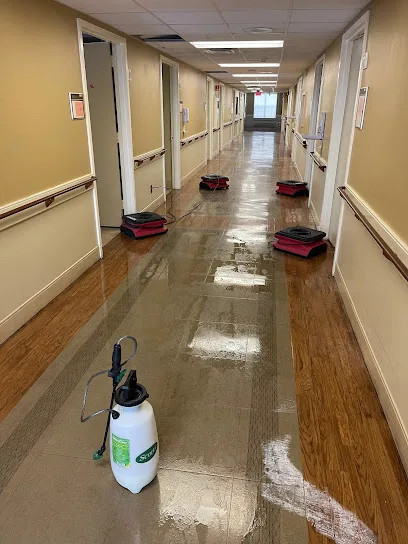
Mold remediation decisions are rarely about the visible spots alone. In Rochester homes, mold usually follows a moisture problem—often from a leak, a flood, or chronic dampness. If you’re considering Refined Restoration for a mold and water-damage cleanup, the safest starting point is verifying the job will follow a documented path: identify the moisture source, contain what could become airborne, remove only what’s within scope, and then confirm the drying is complete.
Begin with the water-damage pathway, not the staining
Ask how the team determines why the material stayed wet in the first place. A contractor should be able to explain what the inspection looks for (for example, where the water came from, what materials are affected, and which building cavities may be involved). When mold appears after water damage, “scrubbing and moving on” can fail if the underlying moisture source is still present. At 37 Stonewood Ave, Rochester, NY 14612, Refined Restoration is listed for water damage mold remediation, so your first call should focus on mapping the moisture pathway before any demolition begins.
Containment: what it protects and how it matches your rooms
Next, confirm the plan for containment. A strong containment explanation connects to your specific layout—where air might travel, how dust will be controlled, and how debris will be removed without spreading contamination to unaffected areas. Look for details such as sealed work zones, dust-control practices, and how the crew prevents cross-contamination when they remove materials that are within the approved mold remediation scope.
Why this matters: if demolition happens without containment discipline, mold spores and demolition dust can migrate through the HVAC system or open doorways, complicating remediation and increasing cleanup costs.
Drying and verification: proof that the job is truly finished
Even after visible mold is removed, the remediation isn’t complete unless the affected materials are dried properly. Ask what drying equipment is used, how long the drying process typically runs for a job like yours, and what objective indicators they track. You want a remediation plan that includes verification—meaning the contractor should be able to describe how they confirm the moisture issue is resolved rather than assuming it based on appearance.
Scope boundaries: demolition, cleaning, and what gets restored
Before work starts, request a written scope that clarifies what will be removed and what will be cleaned or left in place. This is also where you should discuss sequencing: what happens first, what needs to dry before reconstruction, and how the contractor handles materials that are too compromised to restore. If you’re working with water-damage related mold issues, scope clarity can prevent “scope creep,” especially if hidden wet materials are discovered during demolition.
How to use Refined Restoration’s contact info for a focused provider call
To keep the conversation productive, call +1 585-441-4495 and ask the team to describe the inspection, containment, and drying/verification steps for your specific scenario—not just general service descriptions. You can also review their official site at https://www.refinedrestorationllc.com/ for any guidance on the approach, then align your questions with what you find.
Red flags that suggest you should pause or request clarification
Be cautious if a contractor cannot explain why the moisture problem happened, offers a one-size-fits-all containment approach, or frames the job as “mold removal only” without addressing water damage. Another red flag is when the plan lacks verification—if the remediation ends right after cleaning without evidence that materials are dry, the risk of recurrence stays high.
If you want mold remediation to hold up beyond the first cleanup, your decision should follow a process: identify the moisture pathway, contain the work area, remove and clean within a clear scope, and document that drying is complete. Use those milestones to evaluate Refined Restoration (and any competitor) so the remediation work is measurable—not just visible.
More field postings
- Property Recovery 911 in Philadelphia: Decide Between a Mold Report and Remediation Property Recovery 911 lists mold remediation and water mitigation in Philadelphia. Use this guide to define whether the next decision is ins…
- DryDocs Restoration in Philadelphia: Connect Water Damage to Mold Remediation Scope DryDocs lists water extraction, structural drying, water damage restoration, and mold remediation. Use those service signals to clarify wher…
- MSR Restoration in Philadelphia: Prepare for a Mold Inspection Report Use MSR Restoration’s published inspection and remediation sequence to prepare a useful mold assessment, understand its limits, and decide w…