Home Field postings Mold Remediation Guides
Rainbow Restoration of East Hartford-Colchester Mold Remediation: What to Confirm Before Cleanup Starts
A mold remediation job should start with the water problem, then move room-by-room with clear containment, drying, and verification. Here’s what to confirm for the East Hartford-Colchester area.
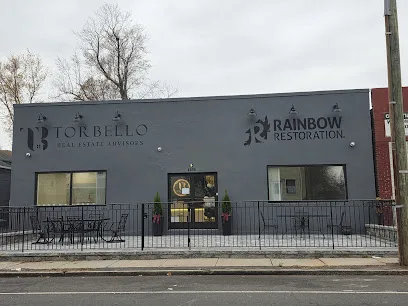
When mold shows up after a leak, the timeline matters. In many Hartford-area homes, mold isn’t the “starting point”—it’s the result of water damage that allowed moisture and humidity to sit in building materials long enough for growth to take hold. Rainbow Restoration of East Hartford-Colchester operates out of 1939 Broad St, Hartford, CT 06114 and lists mold removal and remediation as part of its disaster restoration services, including work following events that involve water damage.
Before cleanup begins, the most important goal is to make sure the remediation plan matches the moisture conditions that created the problem. The paragraphs below outline the key decisions homeowners and property managers in the East Hartford–Colchester area should confirm with any remediation contractor.
Start with the water path, not the visible colonies
Mold remediation should be planned around where water traveled and what materials were affected—not around where the spots are easiest to see. Ask the contractor to explain the likely moisture source (a burst pipe, failed plumbing line, roof leak, basement seepage, or condensation) and how they will document that investigation. If the plan is built only around the mold stain or smell, the remaining hidden moisture can continue to feed growth.
A useful rule of thumb for your discussion: if the contractor can’t clearly connect the scope to the water damage scenario, the job may miss the true “control point” that needs to be removed or corrected.
Define containment clearly for every affected room
Containment is where many projects get vague. You want a room-by-room definition of how they will control dust and cross-contamination during removal. Confirm whether they will isolate work areas, use appropriate barriers, and follow a containment approach that matches the material and the type of mold concern.
When containment is well-defined, it should be more than a general promise. In writing, it should describe what gets sealed, how air movement is managed, and what the contractor will do to protect the rest of the home during the work.
Ask what “removal” includes—and what it does not
“Mold removal” can mean different things depending on the materials involved. Ask your contractor to specify which building materials are removed (for example, porous materials that have absorbed moisture) and which items can be treated or cleaned instead. If you suspect contamination in walls, ceilings, or hidden cavities, ask how they decide whether the scope includes removal in those concealed areas.
This is also where you should confirm whether the plan distinguishes between cleanup activities and the steps needed for verification after remediation.
Separate drying, verification, and clearance decisions
Effective remediation depends on drying, but drying should be monitored and documented. Ask how they measure drying progress (equipment used, monitoring approach, and what conditions must be achieved before moving forward). If the work rushes to demolition or cleaning without stable drying targets, the risk of recurring mold goes up.
Then ask how verification is handled. Verification should not be treated as a single afterthought. Clarify whether the contractor will perform mold inspection/verification as a distinct phase and whether the results are provided in documentation you can keep for insurance or ongoing maintenance questions.
Confirm scope details and local contact readiness
For the East Hartford-Colchester area, Rainbow Restoration of East Hartford-Colchester can be reached at +1 860-374-7915 and shares an official page for its local services at https://rainbowrestores.com/east-hartford-colchester?cid=LSTL_RBW000202&utm_source=gmb&utm_campaign=local&utm_medium=organic. When you call, ask for the remediation plan in a written scope, especially if you’re dealing with insurance paperwork or multiple affected rooms.
In your scope review, look for the same core elements discussed above: the documented moisture investigation, room-specific containment expectations, the removal boundaries by material type, and how drying and verification are separated into distinct phases.
Questions that help you spot oversights before work begins
Use these prompts to keep the conversation concrete:
- What materials are expected to be removed if they’ve been affected by moisture, and what is the decision basis?
- How is containment defined for each work area, and how will you know the rest of the home is protected?
- How will drying be monitored (equipment and documented targets)?
- How is verification handled—and is it clearly separated from the cleanup and removal phase?
If the answers are specific and tied to the water-damage scenario, you’re closer to a remediation plan that can actually stop the problem at the source.
Mold remediation is a moisture-management project as much as it is a cleaning project. For any contractor serving the Hartford area—whether you’re calling first after a leak or planning for a post-water remediation scope—clear containment, documented drying, and separate verification are the foundation. Confirm those elements before cleanup starts, and you’ll reduce the chance of hidden moisture turning the job into a cycle of return growth.
More field postings
- Property Recovery 911 in Philadelphia: Decide Between a Mold Report and Remediation Property Recovery 911 lists mold remediation and water mitigation in Philadelphia. Use this guide to define whether the next decision is ins…
- DryDocs Restoration in Philadelphia: Connect Water Damage to Mold Remediation Scope DryDocs lists water extraction, structural drying, water damage restoration, and mold remediation. Use those service signals to clarify wher…
- MSR Restoration in Philadelphia: Prepare for a Mold Inspection Report Use MSR Restoration’s published inspection and remediation sequence to prepare a useful mold assessment, understand its limits, and decide w…