Home Field postings Home Inspection
Mold Inspection Timing: When to Call Mold Pro Inspector in Forest Hills, NY
Learn when a mold inspection is worth it, what inspectors check, and how to prepare for useful results—especially after moisture issues.
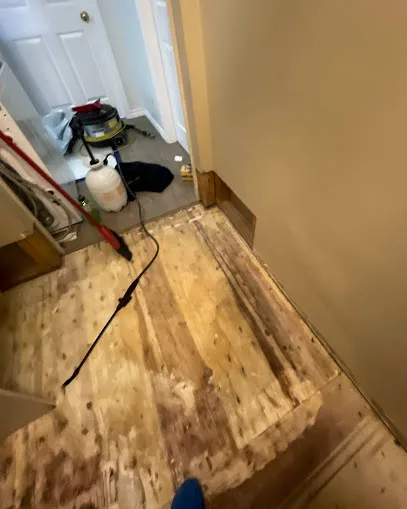
Mold issues often start in quiet, moisture-prone areas—behind walls, under flooring, or around windows and plumbing. If you’re noticing musty odors, visible spots, or recurring humidity patterns, a mold inspection can be the first step in understanding what’s going on and what may need attention next.
For Forest Hills homeowners, Mold Pro Inspector is a resource for thinking through inspection timing and evaluation details. The goal isn’t only to confirm whether mold is present; it’s to identify where moisture is coming from and what areas may be affected.
When to schedule an inspection
Inspection becomes especially important if you’ve had water intrusion from a leak, flooding, or ongoing dampness. Even when there are no obvious stains, mold can develop where moisture is trapped. Similarly, if dampness seems to return after cleaning or repairs, an inspection can help clarify whether the underlying moisture issue was fully resolved or still active.
Common reasons to schedule include musty or earthy odors that don’t go away, visible mold growth on walls, ceilings, or around vents, discoloration that comes back after wiping or paint touch-ups, and condensation or persistent humidity patterns in certain rooms.
What inspectors typically look for during a visit
A thorough evaluation focuses on both visible and hidden conditions. Inspectors commonly assess areas where water collects or where humidity may concentrate—such as bathrooms, basements, crawlspaces, kitchens, and areas around plumbing penetrations.
They also look for environmental clues that can point toward moisture sources. For example, if mold appears near a window frame, an exterior wall seam, or an HVAC register, that pattern can help guide where attention should go next. In other situations, mold can show up across multiple areas, suggesting a broader moisture problem.
Beyond surfaces, inspectors consider whether conditions support mold growth—how moisture appears to be distributed across rooms and whether the environment is likely to stay damp. This helps you interpret the observations and decide what should be addressed first.
Why timing matters after a leak or water damage
After a leak or water event, waiting too long can allow moisture to spread further. That can increase the likelihood that additional areas become affected. A mold inspection helps clarify whether the situation appears localized or ongoing, which can be especially useful when you’re trying to understand the full scope of the moisture problem.
If you recently had water-related work done—drying after a plumbing issue or repair following a small leak—an inspection can help confirm what remains and where further investigation may be needed. It’s also helpful when you still notice dampness or can smell moisture even after repairs.
Preparing so the inspection findings are more useful
Preparation doesn’t need to be complicated, but a few steps can improve how effective the visit is. Consider documenting what you’ve observed: when you first noticed the odor, when visible spots appeared, and whether any recent leaks or humidity changes occurred.
It can also help to ensure the inspector can access key areas. If there are relevant spots behind furniture, in closets near exterior walls, or in areas near plumbing lines, making access easier supports a more complete evaluation.
Be ready to discuss your timeline as well. Inspectors benefit from knowing whether the issue began suddenly—such as after a leak—or developed gradually over time. If you’ve already attempted cleaning, sharing what products you used and whether the problem returned quickly can provide useful context for interpreting results.
Using the results to plan next steps
After the inspection, the most important part is translating findings into practical next steps. A strong evaluation should help you understand not only whether mold is present, but also where conditions suggest it could be growing and what moisture-related issues may need attention.
From there, you can prioritize actions that address the most relevant drivers—whether that involves correcting a moisture source, improving ventilation, or moving into remediation planning. The value of an inspection is that it supports decisions with real observations rather than guesswork.
If you want to pursue an inspection through Mold Pro Inspector in Forest Hills, NY, you can reference the local service location at 107-06 71st Rd, Forest Hills, NY 11375, United States, or use the company website at https://www.quemoldproinspector.com/ to learn more. Sharing your timeline and making key areas accessible can help ensure the evaluation is as helpful as possible.
More field postings
- Property Recovery 911 in Philadelphia: Decide Between a Mold Report and Remediation Property Recovery 911 lists mold remediation and water mitigation in Philadelphia. Use this guide to define whether the next decision is ins…
- DryDocs Restoration in Philadelphia: Connect Water Damage to Mold Remediation Scope DryDocs lists water extraction, structural drying, water damage restoration, and mold remediation. Use those service signals to clarify wher…
- MSR Restoration in Philadelphia: Prepare for a Mold Inspection Report Use MSR Restoration’s published inspection and remediation sequence to prepare a useful mold assessment, understand its limits, and decide w…