Home Field postings Mold Remediation Guides
Pristine Mold & Water Damage Restoration in Warwick, RI: What to Verify Before Remediation Starts
When water damage raises mold concerns, the safest contractor choice comes down to documentation, containment, and drying evidence. Here’s a Warwick, RI decision guide.
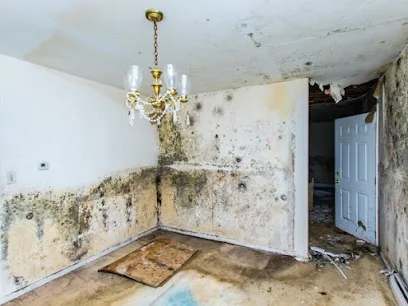
Mold remediation decisions are rarely solved by “clean what you can see.” If water damage has occurred, it may have encouraged hidden mold growth, so the contractor you choose should be able to explain how they find the moisture source, control contamination during removal, and confirm drying is complete before you return to normal use.
This guide focuses on the proof homeowners should look for when considering Pristine Mold & Water Damage Restoration at 75 Lambert Lind Hwy, Warwick, RI 02886, and by phone at +1 401-593-8404.
Start with documentation: moisture mapping and the source of the problem
Before any demolition or cleaning begins, ask how the team performs assessment and moisture mapping. Pristine’s public process emphasizes identifying the extent and cause of the issue—because the first decision isn’t about mold appearances, it’s about what actually drove the moisture into your home.
Request a clear explanation of what they will document, including affected materials, suspected source location, and how they determine what can be treated versus what must be removed. A strong sign is when they connect remediation steps directly to the cause rather than pitching a single, generic “mold cleanup package.”
Containment should fit your layout and risk level
Next, verify containment. Mold remediation requires work-area controls to help prevent fibers and debris from spreading to unaffected areas—particularly in homes with HVAC returns, shared hallways, or occupants who cannot easily relocate while cleanup is underway.
Instead of accepting a vague promise of “we’ll contain the area,” ask how containment is set up around your specific rooms and the pathways between them. If the containment plan doesn’t reflect the physical reality of your home, it’s harder to manage cross-contamination risk.
Remediation needs drying proof—then closure
When water damage leads to mold concerns, sequencing matters. Pristine’s site describes a workflow that includes assessment and moisture mapping, extraction and dry-out, decontamination, and then repair or rebuild. Even when you’re primarily focused on mold remediation, you still need drying evidence before you close walls or treat the job as complete.
Ask what evidence they use to confirm materials are sufficiently dried. If the final walkthrough focuses mainly on appearance (for example, that surfaces look clean and there’s no obvious smell) but doesn’t explain how moisture reduction was verified, the gap can create repeat problems after re-occupancy—such as returning musty odor or staining.
Clarify the scope: inspection and remediation versus removal only
Pristine publicly positions itself as a mold and water damage restoration company, including services such as mold inspection and mold remediation. However, public wording isn’t the same as a written scope for your exact property. Before remediation begins, request a written scope that clearly distinguishes:
- 1) what they will inspect and document,
- 2) what they will remediate (removal, cleaning, and decontamination), and
- 3) what repair or rebuild work is included if materials must be replaced.
If your situation is insurance-related, ask how the team supports claims and how they explain the rationale for the scope. If you have policy-specific requirements, confirm them directly so the documentation matches what’s needed for your case.
Use these prompt questions when you call
Call +1 401-593-8404 and ask for clear, property-specific answers tied to moisture mapping, containment, and closure. Prompts include:
- What is your process for moisture mapping, and what documentation will I receive?
- How do you plan containment based on the rooms and airflow paths in my home?
- What drying evidence do you use before closure, especially if walls or flooring will be opened?
- Does the scope include decontamination steps, and how do you decide what materials must be removed?
For this provider, the official website is https://superiormoldandwaterdamagerestorationguys.com/. Use it as a starting point, then confirm the current, job-specific plan directly with the team.
Mold remediation is a documentation-and-control job as much as it is cleaning. By requiring a moisture-source explanation, containment that matches your layout, and drying proof before closure, you reduce the odds of repeat issues—and you make it easier to evaluate whether the contractor’s scope truly fits your property’s needs.
More field postings
- Property Recovery 911 in Philadelphia: Decide Between a Mold Report and Remediation Property Recovery 911 lists mold remediation and water mitigation in Philadelphia. Use this guide to define whether the next decision is ins…
- DryDocs Restoration in Philadelphia: Connect Water Damage to Mold Remediation Scope DryDocs lists water extraction, structural drying, water damage restoration, and mold remediation. Use those service signals to clarify wher…
- MSR Restoration in Philadelphia: Prepare for a Mold Inspection Report Use MSR Restoration’s published inspection and remediation sequence to prepare a useful mold assessment, understand its limits, and decide w…