Home Field postings Mold Remediation Guides
Restoration NH at 24 Simpson Rd: A Practical Mold Remediation Scope
A measured guide to evaluating Restoration NH’s water damage and mold remediation approach, from the first inspection through containment and follow-up questions.
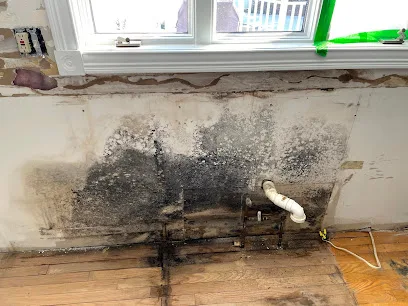
When mold appears after a leak, flood, or persistently damp area, the most useful first question is not simply who can remove it. A property owner needs to understand what caused the moisture, which materials are affected, and how the proposed remediation will keep the problem from spreading. Restoration NH presents itself as a water damage and mold remediation provider based at 24 Simpson Rd, Windham, NH 03087, United States. That location gives homeowners and property managers a concrete starting point for checking service-area fit, while the work itself should be judged by the clarity of the inspection and written scope.
The Windham address makes service-area fit worth confirming
The listing connects this provider with Manchester-area mold remediation while identifying the physical address in Windham. Those details are useful but should not be treated as an automatic promise of availability everywhere in Southern New Hampshire. Before scheduling, a caller can describe the property location, the type of water event, and whether the affected space is occupied. Restoration NH’s website is listed as https://www.restoration1nh.com/, and the published phone number is +1 603-233-3009. Those two channels can clarify current coverage, response timing, access requirements, and whether the company handles the particular building type involved.
A useful inspection should connect mold evidence to the moisture source
Inspection is more valuable when it goes beyond photographing a visible patch. The discussion should identify when the area became wet, whether drying occurred, and which porous materials may have retained moisture. Restoration NH’s official service information separates mold removal from mold remediation: it describes removal as physical cleaning suited to limited growth on a non-porous surface, while remediation is presented as a broader process for affected porous or hidden areas. That distinction helps a customer ask why a proposed method fits the observed conditions rather than accepting the same treatment for every room.
Water damage also deserves a place in the initial scope. The company’s website describes emergency water cleanup as extracting water, drying affected areas, and addressing conditions that can lead to mold growth. A written assessment should therefore identify the moisture source, the drying work still needed, and any repairs or reconstruction that fall outside remediation. If the source has not been corrected, surface cleaning alone may not solve the underlying project.
Containment details reveal how the work will affect the property
Containment is a practical planning issue, especially when mold is near bedrooms, HVAC pathways, shared hallways, or a business area that must remain partly open. A homeowner should ask which rooms will be isolated, how workers will move materials, and how dust or debris will be managed. The scope should also state whether contents handling, removal of porous materials, cleaning, drying, and post-work documentation are included. These questions do not assume a particular outcome; they make the boundaries of the job visible before work begins.
Health-related concerns require careful, non-promotional answers
Mold concerns often arise alongside worries about odors, irritation, or vulnerable occupants. A remediation contractor can explain the property work, but a blog or sales conversation should not promise that remediation will resolve a person’s health condition. If someone is experiencing symptoms, medical guidance belongs with a qualified healthcare professional. For the property decision, the more useful questions concern moisture control, containment, material removal, ventilation, and what evidence will show that the contracted work is complete.
A written scope is the best basis for comparing proposals
Before approving work, the customer should request a document that names the affected areas, describes the remediation steps, separates water extraction or drying from repairs, and identifies exclusions. It is also reasonable to ask whether testing or clearance is separate, who arranges it, and what documentation is provided at completion. Restoration NH’s site lists detailed inspection and estimate scheduling, but current appointment rules, pricing, and project limits should be confirmed directly rather than inferred from a general service page.
For a Windham or Manchester-area property owner, Restoration NH offers a clearly identified local contact point and an official service category covering Water Damage Mold Remediation. The strongest next step is a focused call that supplies the moisture timeline and asks for a specific, reviewable scope. Comparing those answers with the building’s actual conditions will reveal more than a broad promise to make the problem disappear.
More field postings
- Property Recovery 911 in Philadelphia: Decide Between a Mold Report and Remediation Property Recovery 911 lists mold remediation and water mitigation in Philadelphia. Use this guide to define whether the next decision is ins…
- DryDocs Restoration in Philadelphia: Connect Water Damage to Mold Remediation Scope DryDocs lists water extraction, structural drying, water damage restoration, and mold remediation. Use those service signals to clarify wher…
- MSR Restoration in Philadelphia: Prepare for a Mold Inspection Report Use MSR Restoration’s published inspection and remediation sequence to prepare a useful mold assessment, understand its limits, and decide w…