Home Field postings Mold Remediation Guides
New England Water Remediation in Bedford: Clarifying Mold Scope After Water Damage
A practical editorial review of New England Water Remediation’s mold-remediation signals, location details, and questions to settle before work begins.
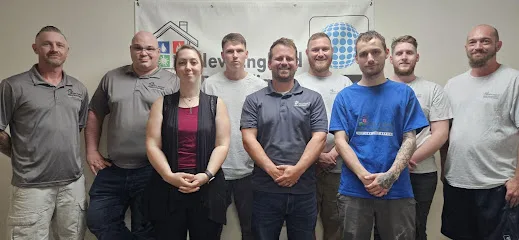
When a property develops a musty odor, staining, or visible growth after a leak, the first decision is not simply whether to clean the surface. The useful question is how water damage, inspection findings, affected materials, and containment fit together. New England Water Remediation is presented in current business information as a Water Damage Mold Remediation provider serving the Manchester and Bedford, New Hampshire area. That makes it a relevant company to evaluate when a homeowner or property manager is trying to define the next step, but the exact project scope still needs to be confirmed directly.
The water-damage timeline should guide the first conversation
A strong initial discussion starts with the event that introduced moisture. A supply-line leak, roof intrusion, sewage backup, frozen pipe, or slow crawl-space problem can leave very different materials and access challenges behind. The caller should be ready to describe when the water appeared, whether the source was stopped, which rooms or building materials were affected, and whether odors or discoloration remain. New England Water Remediation’s public service information highlights water damage restoration alongside mold removal, so it is reasonable to ask how the company separates drying, demolition, cleaning, and mold-remediation decisions in a specific case.
This distinction matters because visible mold is only one observation. A written scope should identify the suspected moisture source, the areas inspected, materials that may require removal, and work that is excluded. If the cause is still active, remediation may not solve the underlying problem. The property owner should also ask who is responsible for plumbing, roofing, HVAC, or structural repairs when those trades fall outside the proposed work.
Inspection findings should become a defined remediation boundary
Before authorizing work, ask what the inspection is intended to establish. A useful report or estimate can distinguish visible conditions from suspected concealed conditions and explain how the affected area will be isolated. It should also state whether testing is recommended, who performs it, and whether any post-remediation assessment or clearance process is separate from the cleanup itself. Those questions avoid treating a test result as a substitute for finding and correcting the moisture source.
Containment deserves similarly specific language. Ask which rooms, openings, air pathways, and materials are included in the proposed boundary; how occupants will be kept away from the work area; and how debris, equipment, and cleaning steps will be handled. The answer may depend on the size and location of the affected area, so an article cannot determine the correct method for an individual property. It can, however, help a caller recognize whether the written plan addresses the actual building conditions rather than relying on a generic service label.
Local logistics can make the inquiry more efficient
The current listing places New England Water Remediation at 25 Harvey Rd UNIT 6, Bedford, NH 03110, United States, while public website material also references service in the surrounding Manchester area. Because business locations and service boundaries can change, readers should verify the current office and whether a particular property is included before scheduling. The listed phone number is +1 603-836-9544. Using that number, a caller can ask about inspection timing, access requirements, documentation, and whether the company handles the water-damage portion as well as the mold-remediation portion.
For a rental, condominium, or commercial property, the first inquiry should also cover owner or manager authorization, tenant communication, contents handling, and any building rules that affect access. These are practical planning issues, not signs that a project will follow a fixed schedule. A concise written summary of the incident, photographs, affected rooms, and prior drying work can help the contractor assess the request more accurately.
Turn the Bedford estimate into a documented remediation scope
New England Water Remediation’s official website is listed as http://www.newaterremediation.com/?utm_campaign=gmb, where readers can review current service information. Before choosing a scope, compare the written answers against the property’s needs. Confirm who will inspect, what the remediation includes, how containment is documented, whether contents or reconstruction are separate, and how changes to the scope are priced. Also ask what warranty, insurance, or payment terms apply rather than assuming that a general restoration description covers them.
A careful comparison does not require the homeowner to diagnose mold independently. It requires enough detail to connect the moisture event to the proposed work and to understand what happens if hidden damage is found. With the address, phone number, and service category verified during the call, New England Water Remediation can be evaluated on the clarity of its site-specific plan, not just on the urgency of the incident.
More field postings
- Property Recovery 911 in Philadelphia: Decide Between a Mold Report and Remediation Property Recovery 911 lists mold remediation and water mitigation in Philadelphia. Use this guide to define whether the next decision is ins…
- DryDocs Restoration in Philadelphia: Connect Water Damage to Mold Remediation Scope DryDocs lists water extraction, structural drying, water damage restoration, and mold remediation. Use those service signals to clarify wher…
- MSR Restoration in Philadelphia: Prepare for a Mold Inspection Report Use MSR Restoration’s published inspection and remediation sequence to prepare a useful mold assessment, understand its limits, and decide w…