Home Field postings Mold Remediation Guides
How to Sequence Restoration When Water Damage Leads to Mold
When water damage leads to mold, the work should move from controlling moisture to drying, mold remediation, and then repairs. Here is why the order matters.
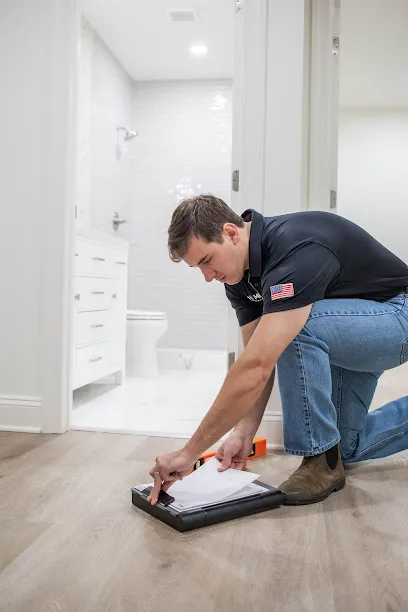
When water damage leads to mold, restoration works best as a sequence: deal with the water source, identify the affected materials, remove water and dry the area, complete mold remediation, and only then close surfaces or rebuild. Reversing those stages can hide damp materials behind new finishes or leave the moisture condition that allowed mold to develop.
Address the water source and define the affected area
Cleanup cannot hold if water is still entering. A burst pipe, roof opening, appliance leak, or floodwater may require a different repair, but the sequencing question is the same: what is feeding the moisture, and has that source been stopped or controlled? Removing a visible stain while water continues to reach the building treats a symptom, not the condition driving damage.
The visible wet spot is not necessarily the boundary of the affected area. Water can travel into flooring, wall cavities, drywall, and framing, so a small surface mark may sit above or beside a larger damp zone. Conversely, not every nearby surface is necessarily damaged. Defining the work area means tracing where moisture reached and identifying which materials need drying, removal, or repair before choosing a cleanup scope.
Merit Restorations describes its Chesapeake water-damage work as using pumps to extract moisture and drying equipment to treat affected surfaces. That service combination illustrates two distinct early tasks: removing water that can be extracted and addressing moisture that remains in building materials. Its local page also describes mold damage restoration and remediation in Chesapeake, linking the water-damage and mold stages in one restoration sequence.
Remove water, then dry materials before closing them
Water extraction and structural drying are related, but they are not interchangeable. Pumps can remove pooled water; they do not, by themselves, establish that damp drywall, flooring, or framing has dried. Materials may retain moisture after standing water is gone, especially when water has moved into layers or enclosed spaces.
This distinction affects the timing of repairs. Installing new flooring, replacing drywall, or sealing a cavity before the materials behind it have dried can conceal the conditions that still need attention. The project should therefore have a clear handoff between extraction and repairs: the affected materials have been addressed, and the basis for moving forward is more than the disappearance of surface water.
Drying is not simply waiting a set number of days. Material type, how much water reached it, and whether it is exposed or enclosed all influence the process. A hypothetical example is a wet section of drywall beside a soaked floor: the floor may look dry first, while the wall assembly still needs evaluation. The next phase should follow the actual condition of those materials rather than a calendar estimate alone.
Remediate mold within the established work area
Once the water source is controlled and the affected area is understood, mold remediation can address mold-affected materials and surfaces. Containment is the separation of a work area from surrounding space; it helps define where remediation activity occurs, but it does not correct the source of moisture. Removing mold or treating a surface without resolving the damp condition leaves the cause unaddressed.
Merit Restorations describes sealing the affected zone, removing mold, and treating surfaces with antimicrobial agents as part of its Chesapeake mold remediation approach. These are distinct activities within the mold-work phase: establishing a boundary, removing affected material or growth, and treating surfaces. The relevant scope depends on what is affected, so the work area defined earlier matters when deciding which materials and surfaces belong in this stage.
For a property owner, the useful sequencing question is whether the mold work follows the water and drying findings, rather than being treated as a stand-alone cosmetic application. A stain covered with paint is not a substitute for remediation, and a treatment label alone does not explain what was removed or why the remaining materials are ready for repair.
Make repairs the final handoff
Repairs should reconnect the completed moisture and mold work to the parts of the property that need rebuilding. A restoration plan is easier to evaluate when it identifies the affected areas and the work assigned to each phase. Merit Restorations says it maps out a property-specific plan and coordinates restoration labor; those details are useful in understanding how a local restoration provider describes the transition from damage work to repair.
Before finishes go back in, compare the proposed repair area with the water-damage and mold-remediation scope. If a wall or floor is being rebuilt, the work should account for the affected materials identified earlier rather than merely covering visible damage. This makes the order tangible: source control informs the scope, drying prepares materials, remediation addresses mold, and repairs restore the areas that are ready for rebuilding.
For readers considering restoration in Chesapeake, Merit Restorations is the current-site detail page for the local provider. The central sequencing test remains practical: each phase should resolve the condition handed forward by the previous one, so new finishes do not conceal unresolved moisture or unfinished mold work.
More field postings
- How to Decide Whether to Clean or Discard Mold-Affected Belongings Learn how an item's material, hidden layers, moisture history, and usefulness can guide a practical clean-or-discard decision after mold or …
- How to Tell Whether Indoor Dampness Is Condensation or a Water Leak Learn how timing, location, and simple observations can help distinguish condensation from a leak—and what to investigate next when dampness…
- When Is Mold Testing Worth It—and When Is an Assessment Enough? Mold testing is most useful when a defined question about a specific place or material could change what you investigate or repair. Learn wh…