Home Field postings Mold Remediation Guides
Initial Response Restoration in Warwick, RI: What to Verify Before Mold Remediation Starts After Water Damage
If you’re dealing with mold after a leak or flood, use this Warwick, RI decision guide to verify inspection scope, containment, and drying proof before remediation begins.
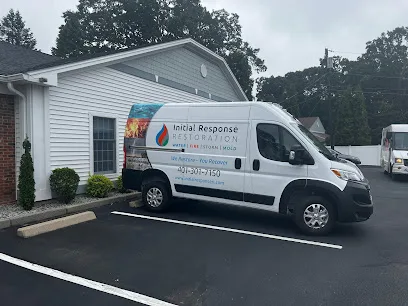
Mold problems almost never begin with “mold” itself—they start when moisture soaks into building materials, then dries unevenly. That’s why a remediation job in Warwick, RI should be driven by the water-source story, not the visible stain. Initial Response Restoration positions its service around disaster recovery, including mold removal and water damage work, and its public materials emphasize doing things “by the book” with appropriate safety practices.
Before you authorize cleanup, you want clear answers to three practical questions: What got wet? How will the team prevent cross-contamination while they work? And how will you know drying was actually completed? This guide walks you through the verifications that matter most when mold follows water damage.
Start with the moisture-source evidence (not just the odor or spot)
In a mold remediation situation, the biggest risk is treating the symptom while the real source continues. Ask the team to explain how they identify where water entered and which materials were affected (drywall cavities, insulation, subfloor, framing, and any hidden voids). Initial Response Restoration’s site mentions using thermal imaging cameras to pinpoint the source and begin repairs, which is the kind of detail you should look for in the first inspection notes.
Concrete verification: Request a written moisture mapping summary that ties the findings to specific affected areas. If the inspection is only based on what’s visible, ask what they’ll check behind baseboards, under flooring, or within wall assemblies.
Confirm containment and safety steps for the rooms that will stay occupied
Containment is where many remediation projects either protect your property—or accidentally spread spores. Before any demo or removal, you should ask how the work area will be isolated and what measures prevent particulate from traveling to unaffected parts of the home or business.
Because Initial Response Restoration frames its promise around following industry guidelines and staying safe during a disaster response, you can use that language to get specifics: containment barriers, negative air/ventilation approach (if applicable), PPE expectations, and how they handle transitions (doorways, HVAC pathways, and traffic flow).
Concrete verification: Ask for a containment plan that matches your rooms, not a generic description. If the job affects multiple levels or multiple problem zones, ask how they’ll keep each zone controlled while materials are removed and cleaned.
Separate “mold removal” from “drying proof” in the scope
Even after visible mold is removed, the job isn’t truly complete if materials remain above safe moisture levels. The result can be musty odor returning, repeat growth, or recurring discoloration. Your scope should spell out what drying method is used and how drying completion will be documented.
When you meet the team, ask what drying verification looks like and how often readings are recorded. If they cannot explain how they measure drying outcomes (and what “done” means), that’s a red flag.
Concrete verification: Request moisture content readings (baseline and post-remediation) by material type, with dates and locations. That record is what you’ll rely on if questions come up later—during repairs, inspections, or insurance documentation.
Match the remediation scope to what insurers, contractors, or closings will require
Mold remediation frequently overlaps with water damage restoration, reconstruction, and insurance communications. Initial Response Restoration’s public information includes insurance services and water damage restoration work, and it also highlights 24/7 emergency service. That matters because timeline pressure can tempt shortcuts.
Use a written scope to reduce ambiguity: what materials will be removed, what will be cleaned, what will be dried and verified, and what reconstruction steps are included versus excluded. If your project involves documentation needs (for example, an insurance claim or property condition requirements), ask how they organize the inspection notes and remediation records.
Concrete verification: Ask for a checklist-style scope that specifies inclusions and exclusions, so you’re not surprised when reconstruction or additional affected materials are discovered.
Key contact facts for getting a real inspection booked
If you want to verify scope and timing with Initial Response Restoration, use the company’s published contact details: 2550 W Shore Rd, Warwick, RI 02889 and +1 401-301-7150. The official site is https://initialresponseri.com/. When you call, ask them to describe their first-arrival process: inspection method, how containment is implemented, and how drying completion is documented.
Choosing the right mold remediation team is less about promises and more about proof. By requiring moisture-source evidence, containment specifics, and drying documentation, you can make a decision that protects both your home materials and your long-term peace of mind.
More field postings
- Property Recovery 911 in Philadelphia: Decide Between a Mold Report and Remediation Property Recovery 911 lists mold remediation and water mitigation in Philadelphia. Use this guide to define whether the next decision is ins…
- DryDocs Restoration in Philadelphia: Connect Water Damage to Mold Remediation Scope DryDocs lists water extraction, structural drying, water damage restoration, and mold remediation. Use those service signals to clarify wher…
- MSR Restoration in Philadelphia: Prepare for a Mold Inspection Report Use MSR Restoration’s published inspection and remediation sequence to prepare a useful mold assessment, understand its limits, and decide w…