Home Field postings Mold Remediation Guides
Incredible Restorations, LLC Mold Remediation: What to Verify Before Cleanup Starts in Newington, CT
Mold removal after water damage is only as good as the plan. Use this checklist to verify containment, drying documentation, and the separation between removal and clearance.
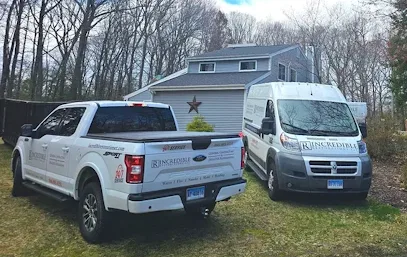
Mold remediation isn’t a single service—it’s a controlled process. For homeowners in Newington, CT dealing with water damage and resulting growth, the most important question is whether the remediation plan is designed around the moisture path and the contaminated materials, not just the visible colonies.
Incredible Restorations, LLC (354 Main St Suite 6, Newington, CT 06111) describes its work as full-service restoration that includes mold remediation, and it positions its technicians as IICRC-certified. When you’re deciding whether to hire them (or any contractor with a similar scope), you can use the points below to confirm the plan matches the actual risk in your property.
Start with the moisture source: “Why is there mold here?”
Before any demolition or “scrubbing,” ask how the team will identify the moisture source and where water traveled. A strong remediation decision is built on the water-damage story: when the leak or flood happened, what materials were wet, and what stayed wet long enough for mold to develop.
In practice, you’re looking for a written explanation of affected areas (drywall, baseboards, insulation, subflooring, carpeting, or hidden cavities) and a timeline that connects the event to the current condition. If the scope only addresses what’s on the surface, it’s easy for mold to rebound after repairs are complete.
Containment should be room-specific—and documented
Mold spores spread when work disturbs contaminated materials. Ask how containment is defined for each work zone and what barriers are used to control dust movement. Terms like negative pressure, plastic sheeting, and sealing transitions matter, but the key is documentation: photos, setup notes, and clear boundaries for every room that will be impacted.
For example, if you have growth in a basement corner and moisture staining on a first-floor wall, the remediation approach should explain whether those are separate containment zones or if they can be treated together without increasing cross-contamination risk.
Confirm how work transitions between “cleanup” and “rebuild”
Ask how the contractor prevents contamination during removal, repairs, and finishing. When containment rules are vague, reconstruction can begin before the project is truly ready—turning a mold problem into recurring contamination inside finished spaces.
Ask for drying and monitoring details—not just “we dried it”
Professional mold remediation depends on resolving the underlying moisture conditions. You should expect a drying plan with measurable targets and monitoring. Questions to ask include: what equipment is used, how humidity and material moisture are tracked, and how the contractor determines when drying is complete.
This matters because wet materials can continue to support mold growth even after visible removal. If the drying phase is rushed or not verified, the remediation outcome can be unreliable.
Separate removal from verification (and know what clearance means)
A common hiring mistake is assuming “cleanup” automatically equals “safe.” Ask whether verification steps are part of the job and how the contractor defines “done.” Some projects rely on visual assessment plus drying confirmation; others may include testing or other verification approaches depending on conditions and client needs.
In all cases, push for clarity in writing: what criteria are used to determine that affected materials have been properly handled, what the final walkthrough covers, and whether any additional steps are recommended after reconstruction.
Use contact readiness to judge scope fit: who answers, who documents
When your property is under stress, responsiveness affects the timeline. Incredible Restorations, LLC lists a phone line at +1 860-855-7896 and also provides an official website (https://incrediblerestorationsct.com/) where residents can request help. When you call, pay attention to whether the team asks practical questions about the event, affected areas, and access constraints.
Before work begins, request a written scope that matches what you discussed: the affected materials, containment approach, drying/monitoring plan, and how verification is handled. Clear answers make it easier to compare bids and avoid gaps that can lead to rework.
Mold remediation is most successful when the plan is specific—following the water path, containing contamination by zone, documenting drying progress, and treating verification as its own step. Use these checks before signing anything, and you’ll have a better chance of moving from emergency cleanup to lasting repairs.
More field postings
- Property Recovery 911 in Philadelphia: Decide Between a Mold Report and Remediation Property Recovery 911 lists mold remediation and water mitigation in Philadelphia. Use this guide to define whether the next decision is ins…
- DryDocs Restoration in Philadelphia: Connect Water Damage to Mold Remediation Scope DryDocs lists water extraction, structural drying, water damage restoration, and mold remediation. Use those service signals to clarify wher…
- MSR Restoration in Philadelphia: Prepare for a Mold Inspection Report Use MSR Restoration’s published inspection and remediation sequence to prepare a useful mold assessment, understand its limits, and decide w…