Home Field postings Mold Remediation Guides
Household Environmental in Derry: Turning Mold Inspection Into a Clear Remediation Scope
Household Environmental’s Derry location gives Southern New Hampshire property owners a concrete starting point for discussing mold inspection, water damage, containment, and remediation scope.
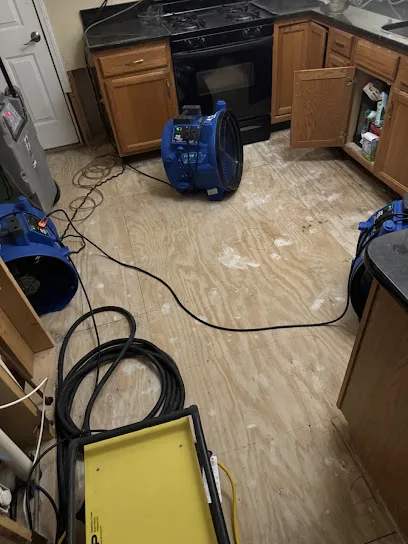
For a property owner in Southern New Hampshire, a mold concern is rarely just a cleaning question. It may follow a roof leak, plumbing failure, basement moisture, or water damage that was dried on the surface but not fully understood inside walls or flooring. The useful decision is to define the problem before approving work: what was inspected, which materials are affected, how the area will be contained, and what remediation is actually included.
Household Environmental is listed at 9 South Ave, Derry, NH 03038, United States, while its service information identifies the business as a Mold Inspection & Report Specialist. That combination makes the record especially relevant to owners who want the inspection and reporting stage clarified before they compare remediation proposals. Its official website, https://householdenvironmental.com/, lists mold testing, mold remediation, and water damage restoration among its environmental and restoration services.
The Derry address helps frame a service-area conversation
The Derry address should not be treated as proof that every project, travel distance, or appointment time is available. Instead, it gives a caller a precise starting point for confirming whether the property is within the current service area. The official website describes service across Southern New Hampshire and New England, but a property manager or homeowner should still provide the project address, building type, access limitations, and preferred timing when asking for a response.
This is particularly important when a home is in Manchester or another nearby community but the provider record is tied to Derry. The location shown in a directory and the place where work can be scheduled are not always the same thing. Asking about routing, inspection availability, and any geographic limits early can prevent a promising conversation from becoming an unclear estimate.
An inspection report should separate evidence from assumptions
A strong first conversation should describe the moisture history rather than rely only on visible staining. The caller can note when the leak or flooding occurred, whether materials were dried, where odors are strongest, and whether the affected room connects to an occupied bedroom, HVAC area, or shared wall. Those details help an inspector decide what to examine and give the property owner a better basis for understanding the report.
Household Environmental’s listing includes mold testing and water damage restoration signals, but the exact testing method, sample count, report format, and interpretation should be confirmed directly. Testing does not automatically define the full remediation boundary. A written report should make clear what was observed, what remains uncertain, and whether additional investigation is recommended before materials are removed.
Containment details reveal how disruption will be managed
Containment matters when remediation could disturb affected materials or move particles into clean parts of a building. Before work begins, the owner can ask where barriers will be placed, how workers will move debris, what equipment will be used, and how nearby rooms or occupants will be protected. The provider’s available information references safety equipment and professional mold remediation, yet those broad signals should become project-specific written answers.
The scope should also identify the affected materials and the work method in plain language. For example, it should distinguish cleaning from removal, state whether drying or moisture correction is included, and explain who handles repairs after contaminated materials are removed. If clearance testing is separate from remediation, that distinction belongs in the proposal rather than being left to assumption.
Phone and website checks can narrow the first call
The current listing provides Household Environmental’s phone number as +1 866-867-2366. A caller can use that number to ask whether the company is currently accepting the type of mold inspection or water-damage-related remediation needed. The official website also presents emergency restoration availability, but emergency response timing and scope should be confirmed rather than assumed from a general service page.
Before calling, it helps to gather photographs, the approximate size of the affected area, the source of moisture, any prior test results, and information about tenants or sensitive building constraints. The goal is not to diagnose mold over the phone. It is to give the provider enough context to explain the next inspection step and the documents that may follow.
A comparable proposal needs boundaries, not just a total
When comparing Household Environmental with another remediation provider, the most useful comparison is scope against scope. Look for the inspection findings, containment plan, material handling, moisture correction, cleaning or removal tasks, follow-up documentation, exclusions, and payment terms. A lower figure may omit drying, repairs, testing, or disposal, while a higher figure may include work that another proposal lists separately.
For a Derry, Manchester, or nearby Southern New Hampshire property, the decision becomes more manageable when the mold question is converted into a written sequence: identify the moisture source, document affected areas, establish containment, perform the agreed remediation, and verify what completion means. Household Environmental offers a concrete local contact point for beginning that discussion, but current service scope, scheduling, testing, and proposal terms should be confirmed directly before work is authorized.
More field postings
- Property Recovery 911 in Philadelphia: Decide Between a Mold Report and Remediation Property Recovery 911 lists mold remediation and water mitigation in Philadelphia. Use this guide to define whether the next decision is ins…
- DryDocs Restoration in Philadelphia: Connect Water Damage to Mold Remediation Scope DryDocs lists water extraction, structural drying, water damage restoration, and mold remediation. Use those service signals to clarify wher…
- MSR Restoration in Philadelphia: Prepare for a Mold Inspection Report Use MSR Restoration’s published inspection and remediation sequence to prepare a useful mold assessment, understand its limits, and decide w…