Home Field postings Mold Remediation Guides
Groundworks in Hooksett: Defining a Water Damage Mold Scope
Groundworks’ Hooksett location gives Manchester-area property owners a concrete starting point for discussing inspection, containment, and mold remediation after water damage.
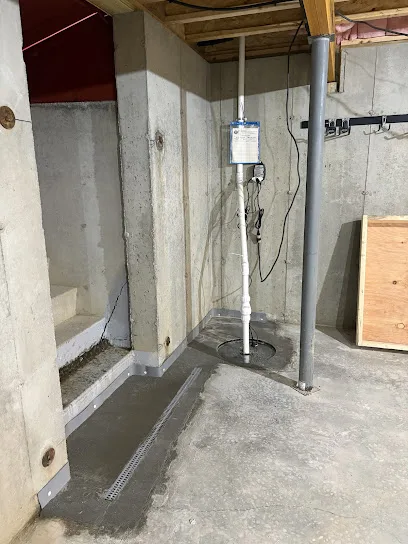
For a Manchester-area property owner, a mold concern should be tied to the water event that may have created it. A musty smell, staining, or damp building material can be a reason to investigate, but those signs alone do not define the work required. Groundworks is listed for Water Damage Mold Remediation, with its location shown at 3 Eastpoint Dr, Hooksett, NH 03106. That local address makes service-area fit one of the first practical questions, while the condition of the property should shape the rest of the conversation.
Why the Hooksett address matters to a Manchester-area project
Groundworks’ public listing identifies the business in Hooksett rather than Manchester itself. For a nearby homeowner, landlord, or property manager, that distinction is useful when discussing travel, access, and scheduling. The location record lists the phone number +1 603-377-8559 and links to the Groundworks Manchester contact page. Those details provide a direct way to confirm whether the current team handles the property’s exact location, whether an inspection is available, and what information should be prepared before the first call.
Service-area fit is not the same as a promise of availability. A caller can describe the property type, the affected room, the date of the leak or flooding, and whether the moisture has been stopped. That basic history helps the company determine whether the inquiry is within its current scope and what next information may be needed.
Start with the moisture history, not just the visible growth
Effective mold remediation planning begins with the source and duration of moisture. A supply-line leak, roof intrusion, appliance failure, basement seepage, or prior water-damage event can leave different materials and hidden spaces at risk. Groundworks’ listed category combines water damage restoration with mold remediation, so a useful inquiry should ask how the inspection will distinguish active moisture from older staining and how the underlying water problem will be addressed or documented.
Owners should record what happened before cleaning begins. Note when the area became wet, which materials were affected, whether drying equipment has been used, and whether the odor or discoloration is spreading. Photographs can preserve a timeline, but they do not replace an on-site assessment. The goal is a written understanding of the suspected moisture source, affected materials, and any limits on what the proposed work will cover.
Containment questions reveal the project boundary
Containment is an important part of comparing remediation scopes because it addresses how work is separated from the rest of an occupied property. The listing information for Groundworks references containment and cleanup scope, but it does not establish a particular setup, testing protocol, or clearance standard. Those details should be confirmed directly rather than assumed.
Ask whether the proposed scope identifies the work area, protective barriers, air-handling measures, removal methods, cleaning steps, and disposal responsibilities. It is also reasonable to ask how occupants, pets, stored belongings, and shared building pathways will be considered. A clear answer should explain what happens during the work and what conditions would require a change to the scope. That makes it easier to compare a water-damage response with a project focused only on surface cleaning.
Separate remediation from testing, repairs, and clearance
“Mold remediation” can describe several stages, and they should not be collapsed into one vague line item. Inspection may identify moisture and suspect materials. Remediation may involve controlled removal and cleaning. Drying or building repairs may be separate. Testing, if recommended, may also be arranged independently or under different terms. Groundworks’ available public record supports asking about these subjects, but it does not verify that every stage is included in every project.
Before approving work, request a written scope that names the affected areas, materials, methods, exclusions, timing assumptions, and any follow-up documentation. Ask whether additional moisture discovery, demolition, reconstruction, testing, or clearance would change the price or schedule. The record does not provide a price, warranty, insurance statement, or emergency-service promise, so those terms should be treated as open questions for the current project.
A focused first call produces a more useful comparison
Groundworks can be contacted through the listed number, +1 603-377-8559, or through its official Groundworks Manchester contact page. A prepared caller can provide the Hooksett or Manchester-area property location, the moisture source if known, the approximate affected area, visible conditions, and any immediate access constraints. It is helpful to ask what inspection information will be needed, how containment is described, and which parts of water damage restoration and mold remediation are actually included.
The strongest decision is not based on a broad promise to remove mold. It rests on whether the proposed process connects the moisture history to inspection, defines containment, distinguishes remediation from repairs or testing, and states the limits in writing. For Groundworks’ Hooksett listing, those are the questions that turn a local service record into a workable project conversation.
More field postings
- Property Recovery 911 in Philadelphia: Decide Between a Mold Report and Remediation Property Recovery 911 lists mold remediation and water mitigation in Philadelphia. Use this guide to define whether the next decision is ins…
- DryDocs Restoration in Philadelphia: Connect Water Damage to Mold Remediation Scope DryDocs lists water extraction, structural drying, water damage restoration, and mold remediation. Use those service signals to clarify wher…
- MSR Restoration in Philadelphia: Prepare for a Mold Inspection Report Use MSR Restoration’s published inspection and remediation sequence to prepare a useful mold assessment, understand its limits, and decide w…