Home Field postings Mold Remediation Guides
Force 1 Restoration Mold Remediation in South Windsor, CT: Verify the Scope Before Cleanup
Use this South Windsor mold remediation guide to confirm a written plan—containment, drying monitoring, and verification—before any work starts.
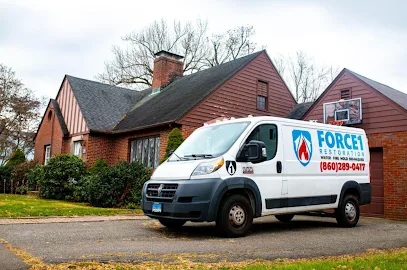
Mold problems are rarely “just mold.” In many South Windsor, CT homes, visible growth follows a water damage event—whether from a recent leak or moisture that worked its way into drywall, flooring, or insulation. That’s why a strong mold remediation scope starts with understanding the water path and ends with verification, not just speed.
Force 1 Restoration Services serves South Windsor and the surrounding area and lists its office at 310 Nutmeg Rd S, South Windsor, CT 06074. The company also states it is available 24 hours a day, 7 days a week, with phone +1 860-289-0417 and a contact page at https://force1restoration.com/contact/. If you’re considering their help, use the questions below to confirm the scope and the order of operations before work begins.
Start with the water path that created the moisture
A common issue in mold projects is focusing on the stain instead of the cause. Ask for a written explanation of what created the moisture conditions and where it traveled—such as under baseboards, behind a wall, or within a ceiling cavity. The remediation scope should be organized around that path so the work sequence matches what’s actually wet or affected.
Look for material-by-material boundaries
In a good proposal, the investigation and the work should connect. The scope should indicate where materials are assumed to be affected, what gets removed, and what is treated or dried in place. If the language is broad (for example, “we’ll address mold” with no clear boundaries), request clarification before any demolition starts.
Define containment in each room where work happens
Containment is what keeps a cleanup job from turning into airborne spread. Your plan should define containment boundaries room-by-room and describe how dust and debris will be controlled during removal. Since mold remediation can involve cutting drywall, disturbing insulation, or handling porous materials, containment details should be specific—not left to on-the-day decisions.
Request documentation of containment setup and removal
Ask whether the team will document containment setup (and removal) as part of the job record. If different work zones are used for different areas, that separation should be described in writing so you can understand how crews will move through the home during remediation.
Separate drying, verification, and clearance-style readiness
One major failure point is mixing phases. Drying is not the same as verification, and verification is not the same as clearance for rebuilding or reoccupation. After water damage, the property needs measurable drying; then you need evidence that moisture conditions have been corrected; and finally you need documentation that the area is ready to move toward restoration.
Confirm the monitoring and the decision logic
When the contractor explains drying, ask how they confirm progress rather than guessing. For verification, request what is being checked and how the results affect next steps—especially if additional materials need to be addressed after initial drying.
Clarify what “mold removal” includes and what it excludes
Force 1 Restoration’s published focus includes water damage restoration and mold removal. Still, the scope must translate into your specific situation: what materials are removed, what stays, and what happens after removal. Ask for inclusions and exclusions in writing so there are no surprises during demolition and follow-up work.
Get concrete on in-scope areas, timing, and follow-up
Request specifics on the remediation boundaries (what areas are in-scope), the timeline for drying and verification, and the plan for moving toward rebuilding after remediation. If the proposal mentions reconstruction as a possibility, ask how that work will be scoped separately so you can understand how decisions and phases are handled.
Use the South Windsor contact details, then confirm proof in writing
Before you schedule, use the published contact information to ensure you’re speaking with the right team: 310 Nutmeg Rd S, South Windsor, CT 06074, +1 860-289-0417, and https://force1restoration.com/contact/. Then focus on documentation you can keep: a written scope, clear containment boundaries, defined drying and verification steps, and job records that reflect the sequence of the work.
Mold remediation is a sequence: investigate, contain, remove or remediate materials, dry, verify, and then move toward restoration. If the plan you receive follows that logic—especially with South Windsor-specific boundaries and documentation—you’ll be in a better position to protect the home and reduce the risk of repeat moisture issues.
More field postings
- Property Recovery 911 in Philadelphia: Decide Between a Mold Report and Remediation Property Recovery 911 lists mold remediation and water mitigation in Philadelphia. Use this guide to define whether the next decision is ins…
- DryDocs Restoration in Philadelphia: Connect Water Damage to Mold Remediation Scope DryDocs lists water extraction, structural drying, water damage restoration, and mold remediation. Use those service signals to clarify wher…
- MSR Restoration in Philadelphia: Prepare for a Mold Inspection Report Use MSR Restoration’s published inspection and remediation sequence to prepare a useful mold assessment, understand its limits, and decide w…