Home Field postings Mold Remediation Guides
Feels Like Home Mold Water & Fire & Mold Restorations LLC (Rochester, NY): What to Verify Before Remediation Starts
In Rochester, NY, before you approve mold remediation after water damage, ask Feels Like Home to document the moisture source, affected materials, containment boundaries, and drying verification—before removal begins.
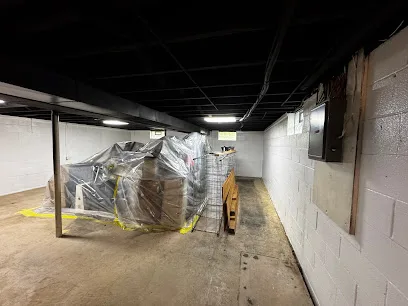
Mold remediation is rarely just about removing what you can see. In Rochester homes, mold typically appears after earlier water exposure—such as a slow leak, a plumbing issue, or moisture that becomes trapped behind wall cavities. For Feels Like Home Mold Water & Fire & Mold Restorations LLC, the key is making sure the remediation plan is built around the water pathway and the affected materials, not only the appearance of mold.
Clarify the water pathway, not just the mold problem
During the first conversation, be prepared to describe what happened (for example: a plumbing leak, a flood, or another water event), when materials first got wet, and what you’re noticing now—discoloration, staining, or odors. The provider’s positioning emphasizes remediation that addresses conditions at the source. That means your scope should explicitly name where water traveled and what materials were affected.
Request a written scope that ties to your home layout. Ask which rooms or walls are included, whether they expect to remove damaged drywall or insulation, and where they plan to place containment barriers during the work.
Review inspection outputs before any demolition begins
Before demolition or any “cleanup-only” approach, ask for inspection outputs you can review. A strong inspection outcome should function like a materials map: which substrates are impacted (such as drywall, subflooring, insulation, or wood framing), what conditions suggest ongoing moisture, and what measurements support the conclusion.
The goal is to distinguish “visible mold” from materials that must be dried, stabilized, or removed. If the estimate process does not clearly explain how they determine affected materials, treat that as a signal to request clarification in writing before work starts.
If you’re reaching out locally, Feels Like Home lists public contact details at 704 Jay St, Rochester, NY 14611, and +1 585-737-3052. Use that information to confirm that the plan you receive is specific to your Rochester situation and addresses water-damage mold remediation—not a general template.
Ask for containment details that match the rooms being worked
Containment is what helps reduce spore spread while remediation is underway. Instead of accepting broad statements, ask how they will set barriers, how they will control airflow between affected and unaffected areas, and how they will sequence work so removal doesn’t redistribute contamination.
Also ask what “contained work” includes in your home: what materials they will remove, how dust control is handled during demolition, bagging practices, and whether they will clean and verify adjacent spaces after removal. If containment is described vaguely, push for details that reflect your room sizes and the specific areas identified in the inspection output.
Demand a sequencing plan for drying, stabilization, and remediation
In practice, water-damage remediation and mold remediation depend on one another. If materials aren’t dried to appropriate levels and verified, mold can return or remain an ongoing issue. Ask for a clear sequencing plan—when drying equipment will be set, when porous materials will be assessed for salvage or removal, and how moisture conditions will be confirmed before moving on.
This matters in Rochester because wet materials can stay damp longer, and hidden moisture in wall cavities can be difficult to notice. A reputable provider should be able to explain how they transition from water-damage work into mold remediation without skipping verification steps.
Know what “done” looks like before you sign off
Before you approve the end of the project, request evidence that the remediation process has concluded. That typically includes records supporting drying verification and a clear statement of what was removed versus cleaned. Don’t accept a finish line based only on visual inspection.
If you still notice musty odors, suspect hidden wet spots, or see recurring staining, ask whether additional verification or targeted inspection is warranted.
Use provider-specific questions during the estimate
To separate a fitting scope from a risky one, ask:
- What moisture source do you believe caused the mold, and how will you confirm it?
- Which exact materials and areas are included in the scope?
- What containment plan will you use for my situation, and what does it cover?
- How will you document drying and verification before moving to cleanup and removal?
- How will you prevent cross-contamination during demolition and disposal?
- What post-work verification will be provided, and what should I expect in the final walk-through?
Mold remediation success depends on process, not appearance: moisture-source control, documented inspection output, job-specific containment, and verified drying and stabilization. If you can get clear, written answers tied to your specific water-damage conditions in Rochester—rather than a one-size-fits-all promise—you’ll be in a better position to choose a remediation path that resolves the cause.
More field postings
- Property Recovery 911 in Philadelphia: Decide Between a Mold Report and Remediation Property Recovery 911 lists mold remediation and water mitigation in Philadelphia. Use this guide to define whether the next decision is ins…
- DryDocs Restoration in Philadelphia: Connect Water Damage to Mold Remediation Scope DryDocs lists water extraction, structural drying, water damage restoration, and mold remediation. Use those service signals to clarify wher…
- MSR Restoration in Philadelphia: Prepare for a Mold Inspection Report Use MSR Restoration’s published inspection and remediation sequence to prepare a useful mold assessment, understand its limits, and decide w…