Home Field postings Mold Remediation Guides
DryDocs Restoration in Philadelphia: Connect Water Damage to Mold Remediation Scope
DryDocs lists water extraction, structural drying, water damage restoration, and mold remediation. Use those service signals to clarify where assessment ends and remediation begins.
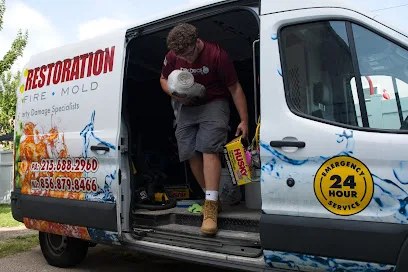
A leak or flood can leave a property owner weighing two related but distinct concerns: water damage and possible mold. DryDocs Restoration’s website lists water extraction, structural drying, water damage restoration, mold remediation, and assessments. For a Philadelphia property owner, that combination offers a starting point for deciding which kind of help to discuss. It is not, by itself, a finding about what a particular building needs or what a specific project will include.
Separate water-response services from mold remediation
The company’s website presents water extraction and structural drying as services alongside water damage restoration and mold remediation. It also lists sewage damage cleanup. These service categories can help describe the problem when seeking an initial evaluation: for example, whether there is active water, dampness following a leak, or visible mold after a water event. The website does not set out a single required sequence for every property, so the appropriate work depends on the conditions found there.
Keep the categories distinct when comparing proposed work. A water-damage scope and a mold-remediation scope may address different concerns, even when they stem from the same incident. If both are proposed, look for an explanation of which work addresses the water condition and which addresses mold-related concerns. Likewise, do not assume that a listing for restoration includes reconstruction, replacement of finishes, testing, or every other service a property might need; those details should be stated in the project proposal.
Use the assessment to understand the property-specific boundary
DryDocs describes its assessments as consultations intended to help customers understand damage and possible next steps, based on inspections. That description makes an assessment useful as a decision point: it can help clarify what condition is being evaluated and what work may be proposed. The public service description does not specify the inspection method, the areas included, or the contents of a report for an individual project.
Before relying on an assessment to make a repair decision, establish what it covers. A property owner might identify the rooms affected, the known source and timing of the water, and any visible changes, then ask how those facts shape the evaluation. If the proposed work involves mold, distinguish the remediation scope from any testing or separate clearance evaluation that may be relevant to the owner. The aim is to understand what the assessment actually concludes, rather than treating the word “assessment” as a guarantee of a particular document or service.
Compare estimate terms by what is included
DryDocs’ website advertises a free on-site visit for an estimate. An estimate is a useful basis for considering a project, but the advertisement does not define the scope or terms of a job after the visit. Review the written proposal for the work areas and services it names, as well as exclusions, timing assumptions, and any items described as separate. If water mitigation, mold remediation, and repairs are presented as different parts of a project, comparing those parts individually can make differences between proposals easier to see.
For insurance-related work, DryDocs says it assists customers from start to finish with insurance and provides information about working with an adjuster and filing a claim. That is the company’s published description, not a determination that a particular loss is covered. Keep the contractor’s proposed work and the insurer’s coverage decision distinct. When reviewing an estimate, note which costs and tasks are being proposed and direct coverage questions to the insurer or adjuster handling the claim.
Check Philadelphia service fit before arranging a visit
The local listing gives DryDocs Restoration’s address as 1030 E Columbia Ave, Philadelphia, PA 19125, and its phone number as +1 215-688-2960. The company website names Philadelphia among its service locations and lists counties in Pennsylvania and New Jersey. A listed service area does not establish availability for every address or project, so a property owner can check whether the specific location and need fit before making plans.
The website advertises emergency assistance available 24/7. Treat that as the company’s published emergency-service statement, not confirmation that a crew can respond to a particular call at a particular time. For an urgent event, contact the business to establish current response options. For a non-emergency assessment, the advertised free on-site estimate provides a separate starting point for discussing the property and proposed work.
Bring a clear account of the water event
A concise record helps make an initial conversation more useful. Note when the water problem began, its apparent source if known, which rooms are affected, and any drying or repair work already completed. Photos or existing documents may also help explain what has changed, though the company’s website does not specify that particular materials are required. This preparation keeps the discussion anchored to the actual property rather than broad service labels.
DryDocs’ published services connect water extraction, structural drying, water damage restoration, assessments, and mold remediation. Its Philadelphia address and published service-area information help local readers assess geographic fit; the estimate and assessment descriptions offer starting points for understanding a potential project. The decision should ultimately rest on the property-specific findings and the work described in the proposal.
More field postings
- Property Recovery 911 in Philadelphia: Decide Between a Mold Report and Remediation Property Recovery 911 lists mold remediation and water mitigation in Philadelphia. Use this guide to define whether the next decision is ins…
- MSR Restoration in Philadelphia: Prepare for a Mold Inspection Report Use MSR Restoration’s published inspection and remediation sequence to prepare a useful mold assessment, understand its limits, and decide w…
- SERVPRO Overbrook–Center City Philadelphia: Connect Water Damage to Mold Scope For properties in Overbrook, Wynnefield, University City, and Center City, clarify how water-damage restoration, mold inspection, containmen…