Home Field postings Mold Remediation Guides
Cleanworks Mold Remediation in Lincoln, RI: Questions to Ask After Water Damage
After a leak or plumbing failure in Lincoln, ask Cleanworks for moisture mapping, containment details, and documented drying proof before mold remediation is closed.
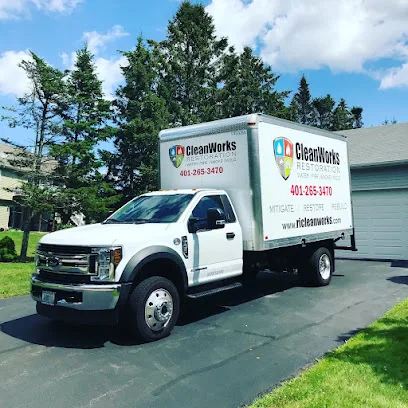
Mold problems after a leak, flood, or plumbing failure rarely improve just by cleaning visible spots. For homeowners in Lincoln, RI, the decision comes down to process: finding the true moisture source, isolating affected areas, and proving that materials are actually dry before the job closes.
Cleanworks lists water damage restoration and mold remediation services for Rhode Island and neighboring areas. You can reach them at 401-414-7169, and their business address is 26 Albion Rd #201, Lincoln, RI 02865. Their official site also highlights 24-hour emergency service and restoration & cleaning offerings—useful context when you need a fast, documented remediation workflow. (Source: ricleanworks.com.)
Start with the moisture story—then confirm they’ll map what got wet
When you call for mold remediation, lead with the moisture story. A credible inspection should connect the mold to a water event (or ongoing humidity/condensation) and map what got wet—not only where growth is visible now.
Ask how they will check behind finishes, inside wall cavities, under flooring, and in hidden gaps where moisture can travel. If the moisture source isn’t fully addressed, remediation may only feel like a temporary cleanup.
In older Lincoln homes, water can also travel through common pathways like drywall edges, baseboards, and areas where finishes meet subfloor. The point is the same: you want the plan to follow the moisture, not just the mold.
Get a containment plan that protects the rest of your home
Containment is where many remediation projects either protect the rest of the home—or fail to. Before work begins, request a clear explanation of how they’ll isolate the affected area(s): what gets sealed off, how airflow is managed, and how contaminated dust is prevented from migrating to other rooms.
Press for specifics that match your layout and materials (drywall, insulation, subfloor, baseboards, and more). If your situation includes shared HVAC returns, open hallways, or multiple interconnected spaces, containment details matter even more.
Clarify safety and access while containment is active
Even though Cleanworks focuses on restoration and cleaning services, you can keep the discussion practical. Ask what PPE is used on-site, how technicians control debris, and how entry/exit works while containment is active.
The goal is predictability: you should understand how your home will be protected during removal.
Ask how they verify drying—beyond “looks dry”
Mold remediation doesn’t end when visible growth is gone. For water-damage-related mold, drying proof supports closure: if materials stay damp, mold can rebound and odor can return.
Ask how they will measure and record drying progress, and what counts as “complete” for the materials affected in your home. You’re looking for documentation you can keep with your records—especially if insurance is part of the conversation.
Define when the job is actually done
Before final sign-off, confirm that drying has reached target conditions for the affected materials. Then ask how they decide when to transition from demolition/removal and cleaning to reconstruction—so the project doesn’t rush to the next phase without supporting data.
Closing the job too early can leave moisture behind, even when the visible area appears improved.
Make the scope explicit before remediation starts
Before you sign anything, require a written scope that spells out what’s included and what’s excluded. Ask which areas are considered part of the remediation, which materials will be removed or treated, and what happens if hidden damage is discovered during demolition.
Because Cleanworks’ website lists water damage restoration and mold remediation (along with other restoration/cleaning services), keep your scope mold-specific for your property condition. The goal is alignment: the scope should reflect your actual moisture and containment needs—not what a company can do in general.
Use these questions to evaluate a Cleanworks plan in Lincoln
If you’re deciding whether Cleanworks is a good fit for your mold remediation project, come prepared with basic details: what happened (leak/flood/plumbing failure), where you see damage, how long it’s been present, and whether any cleanup attempts have already occurred.
Then compare their answers across three anchors: moisture source, containment, and drying proof. For Lincoln homeowners, a professional remediation plan should leave you with documented decisions—not just cleaned surfaces.
More field postings
- Property Recovery 911 in Philadelphia: Decide Between a Mold Report and Remediation Property Recovery 911 lists mold remediation and water mitigation in Philadelphia. Use this guide to define whether the next decision is ins…
- DryDocs Restoration in Philadelphia: Connect Water Damage to Mold Remediation Scope DryDocs lists water extraction, structural drying, water damage restoration, and mold remediation. Use those service signals to clarify wher…
- MSR Restoration in Philadelphia: Prepare for a Mold Inspection Report Use MSR Restoration’s published inspection and remediation sequence to prepare a useful mold assessment, understand its limits, and decide w…