Home Field postings Mold Remediation Guides
CleanBright Surface Restoration (Latham, NY) Mold Remediation: What to Verify Before Cleanup Starts
If you’re dealing with mold after water damage in Latham, NY, this decision guide explains what to confirm about inspection, containment, drying, and documentation—before work begins at 29 Garling Dr.
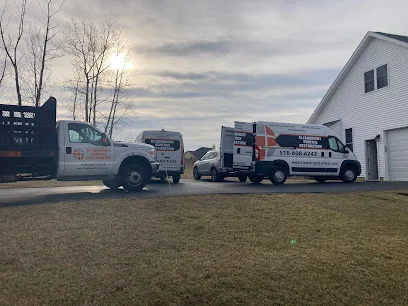
Mold remediation decisions in Latham, NY aren’t just about removing visible growth. They start with understanding the moisture source and building a containment-and-drying plan that matches the materials and affected areas. CleanBright Surface Restoration is listed for water damage restoration and mold remediation in the Capital Region, with the office address shown as 29 Garling Dr, Latham, NY 12110, and phone number +1 518-608-6242. If you’re calling after a leak, flooding event, or persistent dampness, use the questions below to confirm the job scope is actually aligned with mold remediation—not just surface cleanup.
1) Ask what the first inspection will actually document
Before any demolition or cleanup, the contractor should be able to explain what they will inspect, where they will focus, and what they will document for you. In a practical mold job, you want more than “we’ll look for mold.” Ask how they trace the water pathway (for example: above-ceiling leaks, wet drywall edges, crawlspace moisture, or HVAC condensation) and whether they plan to measure conditions in affected and adjacent areas. If the affected materials are drywall, insulation, carpeting, or wood framing, the inspection should connect to what must be removed and what can be cleaned.
2) Confirm containment and dust control match the room scale
Mold remediation is a containment process. Ask how CleanBright Surface Restoration sets up work zones, what barrier materials are used, and how debris is managed as it leaves the site. The goal is to prevent spores from spreading to unaffected areas while materials are removed. You should also ask what personal protective equipment (PPE) is used and whether containment is designed differently for smaller bathroom spaces versus larger, open-plan areas.
Concrete question: what’s the “dirty-to-clean” path?
A strong answer describes how bagged demolition debris, tools, and personnel move in and out of the containment area. If the plan is vague, that’s a warning sign—because the “how” determines whether the rest of your property stays protected during remediation.
3) Verify the drying plan is part of remediation—not an afterthought
Because mold generally follows water damage, drying and moisture-source control are core to remediation. Ask what equipment they use for water damage drying, how they monitor progress over time, and when they consider the affected materials dry enough to move forward. If there’s ongoing humidity from HVAC issues, exterior leaks, or plumbing problems, drying alone won’t solve the root moisture driver.
Concrete question: what will they check before saying “finished”?
Ask what readings or inspection steps are used to confirm drying is complete, and how that information is reported back to you. A completion statement should be grounded in verification, not just timing.
4) Request the completion documentation that ties to the original scope
After demolition and cleanup, ask for a clear wrap-up packet that matches what you were told during inspection. For a mold remediation scope, this typically includes what areas were affected, what materials were removed or cleaned, and what evidence supports that the project reached its moisture and contamination goals. Even when no formal “clearance test” is performed, you can still ask for documented checks and a final explanation of what was found and how conditions changed.
5) Decide whether you need a broader fix to prevent repeat mold
If mold is returning or if the moisture source is unknown, remediation should be connected to a prevention plan. Ask whether they identify likely causes such as plumbing leaks, roof or window intrusion, condensation issues, or inadequate ventilation. For homeowners and property managers, the most cost-effective outcome usually happens when the remediation contractor coordinates the cleanup scope with the repairs needed to stop water from coming back.
When you call CleanBright Surface Restoration at +1 518-608-6242 or visit their official website link listed for the business, treat the first conversation as a planning meeting for inspection, containment, and drying verification. Your goal is simple: a remediation plan that addresses the moisture source, controls dust and spores during work, and provides evidence that drying and cleanup were completed to match the actual conditions at 29 Garling Dr in Latham, NY 12110.
More field postings
- Property Recovery 911 in Philadelphia: Decide Between a Mold Report and Remediation Property Recovery 911 lists mold remediation and water mitigation in Philadelphia. Use this guide to define whether the next decision is ins…
- DryDocs Restoration in Philadelphia: Connect Water Damage to Mold Remediation Scope DryDocs lists water extraction, structural drying, water damage restoration, and mold remediation. Use those service signals to clarify wher…
- MSR Restoration in Philadelphia: Prepare for a Mold Inspection Report Use MSR Restoration’s published inspection and remediation sequence to prepare a useful mold assessment, understand its limits, and decide w…