Home Field postings Mold Remediation Guides
BrightHaven Restoration in Stamford: Tie Mold Cleanup to the Water-Damage Source
A Stamford-focused field note on evaluating BrightHaven Restoration for mold remediation, moisture diagnosis, containment, drying, and documented cleanup.
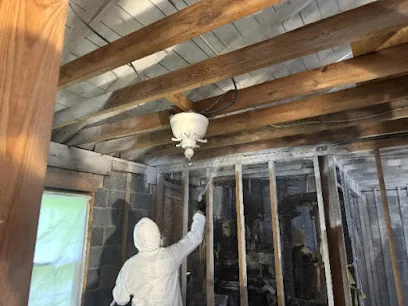
Mold remediation in Stamford is easier to evaluate when the visible growth is treated as evidence of a moisture problem, not as an isolated cleaning task. BrightHaven Restoration is listed at 222B Selleck St, Stamford, CT 06902, and its public website identifies water damage restoration and mold remediation among its services. That combination matters when a leak, flooded basement, or damp building material may be contributing to the condition. The useful question is not simply whether a company removes mold; it is whether the proposed work connects inspection, water control, containment, and restoration in a sensible sequence.
BrightHaven’s water-damage focus makes source tracing the first decision
The company’s official site describes emergency water extraction and structural drying for issues including burst pipes, appliance leaks, and flooded basements. Those details provide a practical starting point for a Stamford property owner: ask what caused the moisture, whether the source has been stopped, and which materials remain wet. A mold remediation scope that only discusses surface treatment may leave the underlying condition unresolved. Conversely, a useful assessment should distinguish active water damage from older staining, identify affected areas, and explain whether building materials can be cleaned or need removal.
For a basement, that may mean discussing seepage, plumbing, humidity, or a failed appliance rather than assuming every dark mark is the same problem. For an occupied home or rental, the owner should also identify rooms that must remain usable and any areas that should be kept separate while work is underway.
Containment should be described as a boundary around the work
Containment is one of the clearest ways to test whether a remediation proposal is specific. The contractor should explain which rooms or sections are included, how access will be controlled, and how dust or debris will be managed during removal and cleaning. Ask whether air movement, protective barriers, and cleaning methods are selected for the actual materials and the size of the affected area. These questions do not assume a particular method; they make the work plan understandable before demolition or treatment begins.
BrightHaven’s public materials also mention structural assessment and full restoration in connection with fire and water work. A Stamford owner can ask how that broader capability applies to a mold-related water-loss project: who documents the affected materials, what drying information is retained, and where restoration begins after remediation. Clear boundaries help prevent a vague promise to “take care of everything” from replacing a written scope.
Drying records and written findings protect the next decision
Moisture control is not complete merely because a surface feels dry. Ask what areas are inspected, whether moisture readings are recorded, and how the company communicates findings when concealed damage is suspected. If testing or clearance is proposed, confirm who performs it, what it is intended to answer, and whether it is separate from the cleanup decision. A written report should identify the affected location, the suspected moisture source, recommended work, exclusions, and any conditions that could change the scope.
The official website states that BrightHaven offers an insurance-friendly process and direct insurance billing for water damage services. That may be useful for documentation, but property owners should still confirm current billing arrangements, coverage responsibilities, deductibles, and approval requirements with both the company and their insurer. Insurance handling does not by itself establish that a particular mold service, test, or repair will be covered.
Stamford callers can verify scope before scheduling
BrightHaven lists a 24/7 phone line at +1 203-340-1014 and says it serves Stamford and surrounding Fairfield County communities. Because service availability and response timing can change, callers should verify whether the current request is mold remediation, water extraction, structural drying, or follow-up restoration. They can also ask whether an estimate is based on an inspection, what access is needed, and which steps are performed by the company or another provider.
For a property owner comparing options, the strongest first conversation is concrete: describe the moisture event, visible conditions, affected rooms, and any steps already taken. Then request a scope that explains containment, drying, cleaning, disposal, repairs, documentation, and payment terms. BrightHaven Restoration’s Stamford address and published water-damage and mold-remediation focus make it a relevant local option to investigate, but the final fit depends on the property findings and the terms confirmed directly before work begins.
More field postings
- Property Recovery 911 in Philadelphia: Decide Between a Mold Report and Remediation Property Recovery 911 lists mold remediation and water mitigation in Philadelphia. Use this guide to define whether the next decision is ins…
- DryDocs Restoration in Philadelphia: Connect Water Damage to Mold Remediation Scope DryDocs lists water extraction, structural drying, water damage restoration, and mold remediation. Use those service signals to clarify wher…
- MSR Restoration in Philadelphia: Prepare for a Mold Inspection Report Use MSR Restoration’s published inspection and remediation sequence to prepare a useful mold assessment, understand its limits, and decide w…