Home Field postings Mold Remediation Guides
Bowerman Cleaning and Restoration in Stamford: A Closer Look at Mold Scope and Containment
Bowerman’s Stamford profile points to water damage and mold remediation; here is what property owners should verify before approving inspection or cleanup.
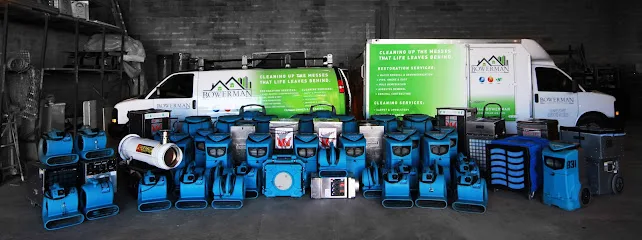
A mold concern after a leak, overflow, or damp-building event is rarely solved by identifying a visible patch alone. The useful question is whether the proposed work explains the moisture source, the affected materials, the containment boundary, and the point at which the area can be considered ready for the next repair. Bowerman Cleaning and Restoration’s Stamford profile is listed under Water Damage Mold Remediation, with water damage restoration and mold removal or remediation shown among its service categories. That makes the company relevant to a homeowner or property manager comparing a water-related mold response, but the exact scope still needs to be established for the property.
Water damage should be documented before mold work is approved
The first conversation should connect the suspected mold to the event or condition that created the risk. A roof leak, plumbing failure, appliance overflow, or persistent humidity can affect different materials and rooms, so a useful inspection should identify what is visibly affected and what may have been exposed nearby. It is reasonable to ask Bowerman whether the proposed visit is an inspection, emergency water damage cleanup, remediation work, or a combination of those services. Those terms can describe different stages of a project.
Bowerman’s official contact page lists residential restoration services that include water damage cleanup and mold remediation. It also separates emergency restoration help from non-emergency estimates and scheduling inquiries. That distinction gives callers a practical starting point: describe when the water event occurred, whether the source is controlled, which materials are wet or stained, and whether occupants are still using the space. The company can then explain which service is appropriate rather than the caller assuming that every visible condition requires the same treatment.
A usable inspection should lead to a defined remediation scope
Before authorizing work, the property owner should request written findings that distinguish observation from assumption. The document should identify the rooms or assemblies involved, the materials expected to be removed or cleaned, and any limitations created by concealed spaces or inaccessible areas. If testing or independent clearance is proposed, the scope should say who arranges it, when it occurs, and whether it is separate from the remediation price. These details help compare proposals without treating a broad promise of “mold removal” as a complete plan.
Bowerman’s public Stamford information also references containment and professional safety cleanup as relevant mold-remediation signals. That does not establish the design for a particular property. A careful caller should ask where the containment will be placed, how access will be controlled, how debris and equipment will be handled, and what cleaning method is intended for each material. The answers should match the size of the affected area and the relationship between the mold condition and the original water damage.
Containment questions reveal whether the plan fits the property
Containment is not simply a reassuring label. It is a boundary that should be explained in relation to doors, ventilation, occupant routes, and nearby rooms. In a multifamily, commercial, or occupied home setting, the practical impact may include which areas are unavailable and how the contractor expects to protect unaffected spaces. Bowerman’s listing mentions safety equipment, while its official page describes certified, eco-friendly specialists; readers should ask what those statements mean for the proposed work and what procedures will actually be used on site.
It is also useful to ask how the team will address the moisture source. Cleaning or removing affected material without resolving an active leak or recurring dampness can leave the underlying problem unresolved. A written scope should therefore state whether water extraction, drying, repair coordination, material removal, cleaning, or follow-up documentation is included. If a needed task is excluded, that should be visible before the project begins.
Stamford logistics belong in the first written conversation
Bowerman lists its Stamford office at 6 Landmark Square 4th floor, Stamford, CT 06901, United States. The address helps identify the local record, but it does not by itself confirm travel limits, response timing, or availability for a particular property. The official contact page should be checked for current information, especially when the project involves a commercial building, managed property, tenant coordination, or a water event outside normal planning.
The listed phone number is +1 844-269-3762. A caller can use it to confirm whether the Stamford team handles the specific combination of water damage and mold remediation, what information is needed for an initial review, and which parts of the scope are priced or scheduled separately. The official contact page is https://bowermanrestoration.com/contact-us/?utm_source=gbp&utm_medium=contact&utm_campaign=gbp-booking-stamford, and current service details should be verified there or directly with the company.
The strongest decision is based on answers, not labels
Bowerman Cleaning and Restoration has a relevant Stamford service profile for water damage and mold remediation, but a property owner still needs project-specific answers about inspection limits, containment, moisture control, documentation, and follow-up. Comparing those answers in writing can expose gaps before money, access, or repair decisions are committed. If the proposed work clearly separates what was found, what will be done, and what remains outside the scope, the caller has a more useful basis for deciding whether the service fits the property.
More field postings
- Property Recovery 911 in Philadelphia: Decide Between a Mold Report and Remediation Property Recovery 911 lists mold remediation and water mitigation in Philadelphia. Use this guide to define whether the next decision is ins…
- DryDocs Restoration in Philadelphia: Connect Water Damage to Mold Remediation Scope DryDocs lists water extraction, structural drying, water damage restoration, and mold remediation. Use those service signals to clarify wher…
- MSR Restoration in Philadelphia: Prepare for a Mold Inspection Report Use MSR Restoration’s published inspection and remediation sequence to prepare a useful mold assessment, understand its limits, and decide w…