Home Field postings Mold Remediation Guides
Verify Mold Remediation Scope in Weymouth, MA After a Leak: Inspection, Containment, and Drying Documentation
Confirm what Boston Restoration Solutions will inspect, how they’ll contain the work, and what drying evidence they’ll document after water damage.
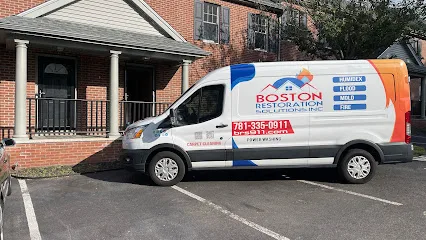
When mold appears after a leak, the real risk isn’t only the visible growth—it’s paying for cleanup that doesn’t properly address the moisture source or the materials impacted beyond what you can see. Boston Restoration Solutions is listed at 72 Charles St, Weymouth, MA 02189, United States and can be reached at +1 781-335-0911. Their official site references response work related to mold and water damage, including an emergency-response framing. Before you sign, use a scope-verification approach so the inspection, containment, drying, and closeout deliverables are explicit.
What your inspection should produce for mold and water damage
Ask the contractor to provide written deliverables from the inspection—not just a verbal assessment. In a remediation scope, you want inspection outcomes that connect the cause to the affected materials. Request a brief explanation of the likely moisture source (for example, what failed or what leaked), along with the materials they will treat or remove based on those findings.
Also ask how they measure conditions and how those measurements translate into what they will do. If the contractor can’t clearly connect inspection results to the next steps in the work scope, pause and clarify before any removal begins.
Containment planning that matches the rooms and pathways in your home
Containment is where mold remediation is either controlled or accidentally spread. Instead of accepting a generic containment statement, ask for a plan that reflects your actual layout and airflow pathways. For example: which doors and hallways connect the work area to other spaces, and whether isolating HVAC returns is part of their approach for your situation.
Have them describe how they handle cross-contamination during transitions between dirty and clean areas. Ask about the barriers they use, how worksite entries are managed, and how they control dust while removing wet or porous materials.
Drying and moisture management: document proof, not promises
Even after moldy material is removed, the project can fail if moisture management is incomplete. Tie the scope to drying documentation. Ask what drying equipment they use, how drying is typically managed for cases like yours, and what documentation they provide to support that the structure has reached an acceptable dried condition.
Boston Restoration Solutions’ site content emphasizes expertise covering mold and water damage. Your job is to convert that general expertise into specifics in the contract: what drying targets are expected, how monitoring will be performed, and what happens if moisture readings do not improve as anticipated.
Keep remediation decisions separate from reconstruction decisions
Some agreements blur “remediation” and “rebuild,” which can make it harder to understand what changes are necessary and why. Ask for a plan that clearly defines what is handled during containment and cleanup versus what is deferred until drying results are reviewed.
Then clarify decision triggers. If moisture or saturation levels don’t meet the contractor’s criteria, do they pause any reconstruction steps? If they uncover additional impacted areas, will they document the change and obtain approval before moving forward?
Milestone documentation you should be able to review
Before work begins, request the documentation you will receive at key milestones. A complete remediation scope should include a written inspection summary, records that correspond to containment setup, drying and monitoring information, and a final closeout explanation of what was completed and why.
If the contractor includes testing or clearance as part of their process, ask how that portion is handled and whether it’s treated separately from general mold cleanup activities. If they position their services as emergency response, ask how that affects scheduling and how you still receive a clear documentation timeline at the end.
Confirm the current scope using the Boston Restoration Solutions contact details
For Boston Restoration Solutions, the official listing includes the Weymouth address at 72 Charles St and phone contact at +1 781-335-0911. Use these details to confirm you’re discussing the correct service scope before you sign—then reference your key requirements around inspection deliverables, containment that fits your layout, drying documentation, and the boundary between remediation and reconstruction decisions.
Bottom line: Mold remediation should be documentation-driven. A contractor should be able to explain how inspection findings become containment actions, how drying results are measured and proven, and what evidence you will receive when the project is complete.
More field postings
- Property Recovery 911 in Philadelphia: Decide Between a Mold Report and Remediation Property Recovery 911 lists mold remediation and water mitigation in Philadelphia. Use this guide to define whether the next decision is ins…
- DryDocs Restoration in Philadelphia: Connect Water Damage to Mold Remediation Scope DryDocs lists water extraction, structural drying, water damage restoration, and mold remediation. Use those service signals to clarify wher…
- MSR Restoration in Philadelphia: Prepare for a Mold Inspection Report Use MSR Restoration’s published inspection and remediation sequence to prepare a useful mold assessment, understand its limits, and decide w…