Home Field postings Mold Remediation Guides
Boston Restoration Group LLC (Needham, MA): Mold Remediation Scope Decisions After Water Damage
A practical, evidence-based decision guide for homeowners: how to confirm inspection, containment, and drying plans when mold follows a leak.
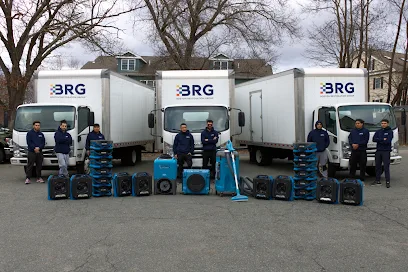
When you discover mold after a leak, the hardest part of the process isn’t spotting the discoloration—it’s figuring out what the moisture source was and whether the remediation plan actually matches your situation. Boston Restoration Group LLC, listed with an address at 178 Crescent Rd, Needham, MA 02494, United States and a phone number of +1 617-202-3772, positions itself as a restoration company that handles water damage and mold removal. On its website, the company references mold inspection/testing and mold removal/remediation as part of broader restoration work.
This guide is written to help homeowners make smarter scope decisions before cleanup begins—using public information as a starting point, then confirming the critical details during your call. The goal is clarity: what gets inspected, what gets contained, what gets cleaned or removed, and how drying and monitoring are handled so mold doesn’t return.
Start with the moisture origin story, not the visible mold
A professional mold remediation scope should begin with a moisture origin story you can repeat. Instead of focusing only on the affected drywall or the musty smell, ask how they’ll identify where water traveled (roof leak, plumbing leak, condensation, flood, or HVAC-driven moisture). Boston Restoration Group’s website emphasizes restoration work that includes water damage steps like moisture extraction and drying alongside mold-related services, which is the right direction—mold remediation decisions should follow water-damage evidence.
Confirm this in plain language: what materials are likely impacted based on the suspected leak path, what measurements or observations support that, and what part of the process happens before demolition (if any).
Ask what “inspection and testing” produces as deliverables
Many contractors say they will “inspect” for mold. Scope quality depends on what the inspection results actually include. Ask whether they provide an inspection narrative or written report that supports the next steps: identified moisture source, affected areas, containment needs, and whether testing is used to guide removal versus simply documenting what’s already obvious.
If the only answer is vague (for example, “we’ll take a look”), request specifics: photos, moisture mapping, and how they determine the extent of impacted materials.
Containment should match your layout and airflow path
Mold remediation isn’t only about cleaning surfaces—it’s also about controlling how spores move during removal. Ask what containment approach they plan for your home’s layout: where barriers go, how they manage airflow between rooms, and how they prevent cross-contamination while work is ongoing.
Containment planning matters because bathrooms, basements, and multi-level spaces can have different pressure and airflow patterns. A correct scope doesn’t rely on a one-size approach; it adapts to where demolition or cleaning will occur.
Verify PPE and worksite safety details
For any job involving mold and water damage, you should expect clear safety planning. Confirm what personal protective equipment (PPE) will be used, how dust control is handled, and what measures protect occupants and belongings during the work. Public service descriptions may mention mold removal and remediation, but you still need the on-site safety specifics for your particular conditions.
Separate “water-damage mitigation” from “mold cleanup” decisions
Homeowners sometimes assume mold remediation starts with scrubbing. In reality, the order matters: moisture extraction and drying influence what materials can be saved, what must be removed, and how confidently a contractor can say the environment is no longer conducive to mold growth.
Boston Restoration Group’s website references water damage recovery steps like moisture extraction and drying as part of restoration services. Use that as a prompt to ask how drying will be measured and documented during the mold project.
Confirm drying metrics and what happens after cleanup
Ask whether they will track drying with measurements (for example, what they measure, how often, and when they consider drying complete). Then ask what verification or post-cleanup steps they recommend before you move furniture back or close walls. The key is that your remediation scope should include drying verification—not just “fans were used.”
How to evaluate scope quality when the quote feels unclear
If you’re comparing quotes from restoration contractors, look beyond the totals. The better scope will explain the logic: why certain rooms or materials are included, why containment is or isn’t needed for each area, and whether drying and monitoring are treated as part of the mold remediation process rather than an afterthought.
Questions that tighten scope immediately: Which specific building materials are targeted for removal or cleaning? Will they document what was found and what changed after mitigation? Are they treating the water damage as the root issue, with mold remediation as the follow-through?
Use the public facts to start the conversation—then require specifics
Boston Restoration Group LLC publicly presents itself as a restoration provider with services that include water damage and mold removal/remediation, with https://bostonrestorationgroup.com/ listing mold inspection/testing and broader restoration categories. Those are useful signals, but your next decision should be based on what they promise for your home: inspection deliverables, containment plan, drying metrics, and documentation of how they verify conditions are safe to close up.
When mold follows water damage, scope clarity is the difference between cleanup that addresses the evidence and cleanup that misses the hidden moisture problem.
More field postings
- Property Recovery 911 in Philadelphia: Decide Between a Mold Report and Remediation Property Recovery 911 lists mold remediation and water mitigation in Philadelphia. Use this guide to define whether the next decision is ins…
- DryDocs Restoration in Philadelphia: Connect Water Damage to Mold Remediation Scope DryDocs lists water extraction, structural drying, water damage restoration, and mold remediation. Use those service signals to clarify wher…
- MSR Restoration in Philadelphia: Prepare for a Mold Inspection Report Use MSR Restoration’s published inspection and remediation sequence to prepare a useful mold assessment, understand its limits, and decide w…