Home Field postings Mold Remediation Guides
LocalFlow Restoration of New England: How to Verify Mold Remediation Scope After Boston Water Damage
Visible mold after a leak usually means there’s an underlying moisture problem. Use this Boston guide to confirm inspection, containment, and drying scope before cleanup begins.
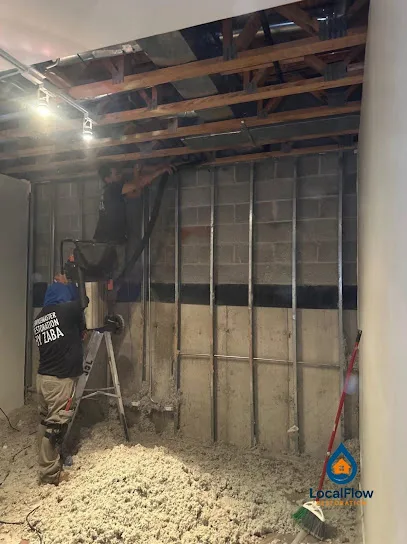
In Boston, when mold shows up after a leak, it’s easy to focus on what you can see—stains, surface growth, or odor. But the more important decision is whether the contractor can explain the moisture origin story and then build the remediation plan around what’s actually wet and how your home’s airflow could spread spores.
LocalFlow Restoration of New England’s public information emphasizes water-damage response and drying equipment, with certified restoration staff and 24/7 emergency help. That’s a good starting point for evaluating scope, but you still need to verify the specific details that determine whether the mold job addresses the root cause. Use the prompts below to tighten your decision before you approve cleanup.
Start with the evidence: why is the mold here?
Ask the contractor to describe what they believe started the moisture event and how they will verify it on-site. A credible explanation should connect the water source to what you’re seeing now—such as bubbling drywall, a damp subfloor, recurring musty odor, or mold that returns quickly after initial surface cleaning. If the answer is vague and doesn’t reference observations, inspection outputs, or a moisture-based plan, you may be paying for labor while the underlying moisture problem remains.
Make sure the inspection outputs match the next steps
Before work begins, request documentation that clarifies what was inspected, what materials appear affected, and what triggers containment or removal decisions. LocalFlow’s descriptions of restoration steps typically follow stopping intrusion, removing moisture, and progressing through controlled drying and restoration. Still, you should confirm what their inspection report will include for your specific rooms and layout.
Separate water-damage mitigation from mold removal
Mold remediation scope should change based on whether the plan treats moisture first or only cleans visible growth. Public service descriptions for LocalFlow Restoration of New England reference water extraction and drying using pumps, air movers, and dehumidifiers to prevent mold and help reduce further structural damage. As you evaluate scope, look for an approach that schedules and monitors drying alongside the mold work rather than treating drying as an afterthought.
Confirm drying is planned, measured, and monitored
Ask for a drying approach tied to your home’s layout: where equipment will be placed, how airflow will be directed, and how they will confirm moisture levels come down before considering the job complete. If they can’t explain how they’ll measure progress or what conditions must be met, ask what monitoring method they use. The goal is to reduce the chance that mold can regrow because materials remain damp.
Containment should fit your home’s airflow pathways
Containment reduces cross-contamination when mold spores could travel through return vents, hallways, or open areas. Ask how barriers will be set up, how airflow will be controlled during cleanup, and how unaffected rooms will be protected. Also ask whether any affected HVAC-adjacent components or air paths should be addressed as part of the remediation, particularly if the mold appears widespread.
Clarify whether HVAC or duct cleaning is included
LocalFlow’s service listings include Air Duct / HVAC Cleaning and other related restoration categories, but that doesn’t automatically mean it’s included in every mold job. Confirm what is in your scope. If the moisture event impacted areas near HVAC systems or routes air through affected spaces, ask whether duct cleaning (or additional cleaning) is recommended and what reasoning supports that recommendation.
Ask what materials may need removal vs. cleaning
Some mold situations involve primarily surface cleaning, while others may require removal of porous materials that can’t be reliably cleaned once they have been saturated. During inspection, ask the contractor to explain what they expect to remove versus what they can clean based on the affected materials they observe. If removal criteria aren’t discussed, you may risk repeat problems—or end up with an incomplete remedy.
Use public contact details to request a scope tied to your situation
LocalFlow Restoration of New England lists an address reference at 280 Corey Rd, Boston, MA 02135, and a phone number of +1 857-337-2202. If you’re in the decision stage, you can use these public details to contact them and ask for a written remediation scope tied directly to your water damage and the areas identified during inspection.
Request a written plan that “ties the story together”
Before authorizing work, ask for a written plan that connects: (1) inspection findings and the moisture origin, (2) drying steps with monitoring, (3) containment approach based on airflow pathways, and (4) what will be cleaned versus removed. This reduces the common failure mode where mold cleanup starts before the moisture problem is controlled.
If you’re calling, you can summarize your priority this way: “We need a remediation plan that starts with the moisture origin, includes drying with monitoring, and explains containment decisions for our floor plan.” A contractor who can answer clearly is more likely to deliver a process you can trust.
More field postings
- Property Recovery 911 in Philadelphia: Decide Between a Mold Report and Remediation Property Recovery 911 lists mold remediation and water mitigation in Philadelphia. Use this guide to define whether the next decision is ins…
- DryDocs Restoration in Philadelphia: Connect Water Damage to Mold Remediation Scope DryDocs lists water extraction, structural drying, water damage restoration, and mold remediation. Use those service signals to clarify wher…
- MSR Restoration in Philadelphia: Prepare for a Mold Inspection Report Use MSR Restoration’s published inspection and remediation sequence to prepare a useful mold assessment, understand its limits, and decide w…