Home Field postings Mold Remediation Guides
BluSky Restoration Contractors Mold Remediation: What to Confirm Before Cleanup Starts in Hartford, CT
When water damage leads to mold growth, the right remediation plan depends on containment, drying proof, and clear written scope. Here’s what to verify for BluSky Restoration Contractors in the Hartford area.
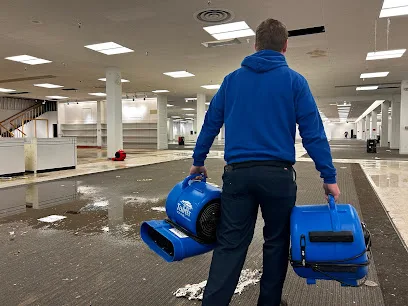
Mold remediation is rarely “just cleanup.” If water damage is what created the conditions, the job should be planned around where moisture traveled, what materials were affected, and how the work will be contained and verified. For homeowners in the Hartford area considering BluSky Restoration Contractors, the most useful question to ask early is not whether mold will be removed—it’s whether the remediation plan will follow the water damage reality of your property.
BluSky lists support for water damage and mold remediation, with contact information including +1 800-266-5677 and the Hartford-area location shown as 60 Village Pl, Glastonbury, CT 06033, plus an official contact page at https://goblusky.com/locations/hartford-ct/#formContact. Use those details to coordinate an inspection and to request documentation that shows the scope matches your situation.
1) Make the mold remediation scope follow the water path, not the stain
Ask the contractor to explain how they identify the moisture-source story. Water intrusion can move into drywall cavities, behind baseboards, and through porous materials even when visible staining seems localized. A strong remediation discussion should connect your reported event (overflow, leak, flooding, or storm impact) to the specific building materials likely affected and the portions of the home where containment will be used.
What to request in writing
Before work begins, ask for a written scope that identifies impacted materials and rooms. If they only describe “mold removal” without naming where containment will be set up, you may not be getting a plan that actually matches the damage.
2) Containment should be room-specific—and documented
Mold remediation should include strategies that prevent contamination from spreading to unaffected areas. The plan should be specific: which rooms will be isolated, what barriers will be used, and how air control will be handled during removal. Because BluSky’s site emphasizes water damage and mold remediation as part of restoration services, you can reasonably ask how their team approaches isolation in homes with multiple affected zones.
Watch for vague containment language
If the proposal only says “we will contain the area” but cannot describe the rooms, materials, and controls, ask for clarification. Your goal is to understand what will happen when crews open building cavities, remove materials, and handle debris.
3) Separate “removal” from verification (especially drying proof)
One of the biggest failure points in mold jobs is skipping the moisture verification step. Even after visible materials are removed, elevated moisture conditions can keep conditions favorable for regrowth. Ask how drying progress is measured and documented for the materials involved (for example, drywall, wood framing, and other affected porous surfaces).
How drying affects mold outcomes
When the cause of mold is water damage, remediation should include drying and evidence that conditions were brought under control. If they cannot share what was monitored and how, you may be left without the information that insurance adjusters, inspectors, or you as the homeowner need to understand what was actually achieved.
4) Confirm whether inspection/reporting is part of the scope
You should be able to explain what the contractor will do before remediation starts and what deliverables you’ll receive afterward. In many situations, the remediation plan depends on an inspection phase—especially when hidden moisture is suspected behind walls or under flooring. Ask whether BluSky provides an inspection that informs containment and removal decisions and whether the final documentation will reflect the work completed.
Make sure the paperwork matches the work
After remediation, request a clear summary of what was removed, what areas were treated, and what verification was performed. This is how you reduce uncertainty and avoid disputes about whether the job scope was truly followed.
5) Keep scheduling realistic for stabilization before demolition
Water damage can worsen quickly, and delays can increase the affected footprint. Use the official contact route at https://goblusky.com/locations/hartford-ct/#formContact and the phone number +1 800-266-5677 to ask how quickly they can deploy after an initial call, and what stabilization steps are typically performed first.
Ask what happens first on-site
Even if you suspect active mold, the sequence matters: stabilization, containment setup, and drying verification should guide what gets removed and when.
Final takeaway: a “scope you can compare” reduces risk
Before BluSky starts mold remediation following water damage, insist on a written, room-specific plan that ties containment to the affected materials and separates removal from verification. With the Hartford-area contact details listed above, you can align expectations early and ensure the remediation process is built around moisture control—not just visible growth.
More field postings
- Property Recovery 911 in Philadelphia: Decide Between a Mold Report and Remediation Property Recovery 911 lists mold remediation and water mitigation in Philadelphia. Use this guide to define whether the next decision is ins…
- DryDocs Restoration in Philadelphia: Connect Water Damage to Mold Remediation Scope DryDocs lists water extraction, structural drying, water damage restoration, and mold remediation. Use those service signals to clarify wher…
- MSR Restoration in Philadelphia: Prepare for a Mold Inspection Report Use MSR Restoration’s published inspection and remediation sequence to prepare a useful mold assessment, understand its limits, and decide w…