Home Field postings Mold Remediation Guides
Ark Restoration in Gorham: Clarifying Attic Mold and Water Damage Scope
A practical editorial look at how property owners can evaluate Ark Restoration in Gorham when attic mold or water damage raises remediation questions.
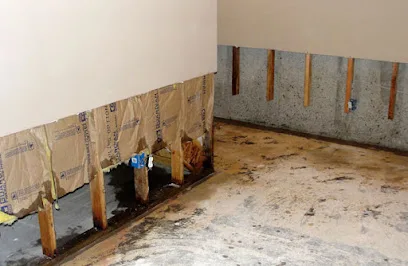
When a property owner in the Portland area finds a musty odor, discoloration, or damp building materials, the immediate temptation is to focus on visible mold. A better decision begins with the event behind it: a roof leak, plumbing failure, condensation problem, or another source of water damage. Ark Restoration is listed for Water Damage Mold Remediation and water damage restoration, with attic mold identified as a specific service signal. Those details make it a relevant company to investigate, but they do not replace a property-specific conversation about scope, containment, and the moisture source.
Why the moisture source should shape the first call
Mold remediation is rarely just a surface-cleaning question. If an attic has been damp, the owner should describe when the problem was noticed, whether the area has been exposed to rain or interior humidity, and whether insulation, sheathing, drywall, or stored belongings may be involved. Water damage restoration and mold work can overlap, yet the appropriate sequence depends on what is wet, what has dried, and whether the source has been corrected. Ark Restoration’s public listing connects the company with both water damage restoration and attic mold, so those are useful terms to include when asking what the company currently handles.
The goal of the first exchange is not to secure a predetermined package. It is to learn whether the provider will review the moisture history, identify affected materials, and explain which work belongs in remediation rather than ordinary cleaning. A written description of the problem, supported by photographs when appropriate, can make that discussion more precise.
What should an inspection establish before removal begins?
An inspection should help define the suspected area and the conditions that may have allowed mold to develop. For an attic, that may include the roof assembly, ventilation, insulation, penetrations, and any signs of recurring moisture. A property owner can ask whether the inspection is visual or includes additional testing, what areas will be accessed, and whether the findings will be provided in writing. Testing is not automatically the same as remediation, and the owner should ask whether any testing or post-work evaluation is separate from the cleanup scope.
These questions are especially important when the visible area is small but the water event was larger. The useful comparison is not simply a total price. It is whether each proposal identifies the affected materials, the work method, the boundaries of the project, and the conditions that could change the scope. If a contractor cannot yet determine those details, the proposal should say what remains uncertain instead of presenting an overconfident conclusion.
How can containment be evaluated for an attic project?
Containment is a planning issue tied to the property, not a decorative line item. The owner should ask how the work area will be separated from occupied rooms, how dust or debris will be controlled, and how workers will move materials through the home. Attic access can involve a ceiling hatch, a hallway, or finished living space below, so the proposed route matters. The provider should also explain how the work area will be cleaned and what evidence will show that the defined task is complete.
Ark Restoration’s listing identifies mold remediation as a service category, but public listing information does not establish the exact containment method for every property. That is why a direct question about barriers, work-zone boundaries, equipment, and cleanup documentation is more useful than assuming that every attic project follows the same plan. Owners should also clarify what happens if additional affected material is found after access is opened.
Which local details help a Gorham inquiry stay practical?
The available record places Ark Restoration at 50 Dunton Ln, Gorham, ME 04038, United States, while its service information references the Portland area. That distinction is worth addressing early. A customer can ask whether the company is currently accepting the property’s location, whether the address is a business location or service-area reference, and what information is needed to discuss scheduling. Current availability, travel considerations, and appointment terms should be confirmed directly rather than inferred from a listing.
The listed phone number is +1 207-600-2436, and the recorded official website is https://arkrestorationme.com/. Those are practical starting points for checking current service scope and contact details. Because the official site returned limited readable information in the available review, a caller should treat the conversation as a fact-checking step: confirm whether the request concerns attic mold, water damage, inspection, or a combination of those needs.
What belongs in a useful written scope?
Before work is approved, the property owner should request a scope that identifies the affected rooms or assemblies, removal and cleaning tasks, containment expectations, drying or moisture-related work, exclusions, timing, and payment terms. If the company offers testing, clearance, a warranty, or insurance-related documentation, those terms should be stated clearly and reviewed before relying on them. The available information does not verify a particular guarantee, credential, or insurance policy for Ark Restoration, so those items should be confirmed with the company.
Ark Restoration may be a reasonable provider to compare when a Gorham or Portland-area property has an attic mold concern connected to water damage. The strongest decision will come from matching the company’s current scope and documentation to the actual building conditions, rather than choosing on a service label alone. Clear answers about inspection, containment, moisture, and completion give the owner a more reliable basis for moving forward.
More field postings
- Property Recovery 911 in Philadelphia: Decide Between a Mold Report and Remediation Property Recovery 911 lists mold remediation and water mitigation in Philadelphia. Use this guide to define whether the next decision is ins…
- DryDocs Restoration in Philadelphia: Connect Water Damage to Mold Remediation Scope DryDocs lists water extraction, structural drying, water damage restoration, and mold remediation. Use those service signals to clarify wher…
- MSR Restoration in Philadelphia: Prepare for a Mold Inspection Report Use MSR Restoration’s published inspection and remediation sequence to prepare a useful mold assessment, understand its limits, and decide w…