Home Field postings Mold Remediation Guides
All Dry Services of Connecticut Mold Remediation: What to Verify Before Cleanup Starts (Berlin & Hartford Area)
Use this mold remediation decision guide to confirm scope, containment, and documentation before any cleanup begins with All Dry Services of Connecticut.
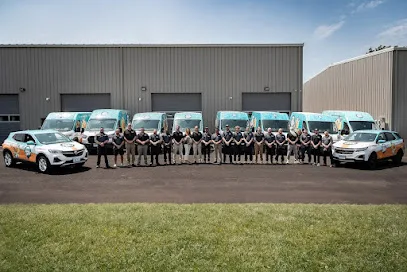
Mold remediation goes wrong most often when the plan is based on the visible growth—not on the moisture conditions that created it. For homeowners and property managers in Connecticut, that means your first goal is to make sure the remediation scope matches the water source, and that the project includes the safety and documentation steps needed for real cleanup and verification.
All Dry Services of Connecticut operates out of 600 4 Rod Rd STE 2, Berlin, CT 06037, and can be reached at +1 860-792-3586. Their site describes restoration services that include mold removal, mold remediation, and mold inspection, alongside water damage restoration and related disaster cleanup. Before anyone starts tearing out materials, use the points below to confirm what you’re actually paying for and what proof you’ll receive when the job is done.
Start with the moisture source, not the stain
Ask for a clear explanation of what caused the moisture in your building materials. Was it a leak, a roof issue, flooding, a plumbing failure, or condensation? The remediation plan should explain how that specific source will be addressed and how remaining moisture conditions will be controlled. If the contractor can’t connect the scope to the moisture source, you’re at risk of repeating cleanup cycles.
All Dry Services of Connecticut’s public service listing includes both water damage restoration and mold-related services. That matters because effective remediation typically follows a sequence: stop the water problem, remove affected materials when appropriate, and control conditions that allow mold to return.
Containment should match the rooms and materials involved
Containment is not just a “nice to have.” It’s what helps prevent cross-contamination when demolition and removal occur. In your walkthrough, request details on how containment will be set up for the exact areas involved—especially if the mold is near HVAC components, hallways, closets, or finished walls that may require controlled access.
Also ask how the team handles cleaning of disturbed materials and how they manage dust and debris during removal. If they only describe general cleanup without referencing the impacted rooms, finishes, and airflow pathways, push for a more specific plan.
Confirm whether mold inspection/reporting is part of the scope
Your goal isn’t just “mold removal.” Your goal is to understand what’s present and to document what was remediated. Since the company is presented publicly with mold inspection and related reporting as a specialty, ask whether an inspection and written findings are included in the work you’re purchasing—or whether testing/reporting is handled separately.
Request the deliverables in plain language: what will be inspected, what areas will be covered, what documentation you receive, and what decisions the report supports (for example, what gets removed and what can remain).
Separation matters: removal versus verification
A common mistake is treating “cleanup” as the end of the job. After remediation, you should expect documentation that conditions were addressed—especially if the mold problem followed water damage. Ask what verification looks like for your project and when it occurs.
For example, if drying was part of the incident, you want to understand how the contractor verifies that building materials are dry enough to reduce the risk of recurrence. If the job includes both water mitigation and mold remediation, confirm how they decide when it’s safe to move from drying to removal, and then to final verification.
Ask about communication and emergency readiness
Mold emergencies rarely wait for business hours. All Dry Services of Connecticut’s Connecticut page states 24/7 emergency services and a “90 Min Response Time.” If timing matters for your leak or active moisture situation, ask how that response commitment works in practice for your address and whether scheduling can start mitigation immediately.
Also confirm what to expect day-to-day: who is your point of contact, how changes to scope are handled, and how the team will protect the rest of your property while work is underway.
What to request before the contract is finalized
Before signing, request a written scope tied to your building conditions. At minimum, ask for:
• The areas/rooms to be addressed and why they were selected based on the moisture source
• The containment approach and how cross-contamination will be controlled
• Whether mold inspection and any reporting are included, and what documents you will receive
• How verification will be handled after removal (and what “done” means for your specific case)
• The service channel for scheduling, including how they reach you at +1 860-792-3586
If you can’t get clear answers, treat that as a decision signal. Mold remediation is highly dependent on scope and documentation—so your confidence should come from verifiable steps, not from general reassurances. For Connecticut properties near Berlin and the broader Hartford area, aligning the plan to the moisture source is the best first move toward a remediation outcome you can stand behind.
More field postings
- Property Recovery 911 in Philadelphia: Decide Between a Mold Report and Remediation Property Recovery 911 lists mold remediation and water mitigation in Philadelphia. Use this guide to define whether the next decision is ins…
- DryDocs Restoration in Philadelphia: Connect Water Damage to Mold Remediation Scope DryDocs lists water extraction, structural drying, water damage restoration, and mold remediation. Use those service signals to clarify wher…
- MSR Restoration in Philadelphia: Prepare for a Mold Inspection Report Use MSR Restoration’s published inspection and remediation sequence to prepare a useful mold assessment, understand its limits, and decide w…