Home Field postings Mold Remediation Guides
911 Restoration of Providence (Cranston, RI): Mold Remediation Proof to Demand After Water Damage
When mold shows up after a leak or flood, the real decision is whether the contractor can document the moisture source, contain affected materials, and verify drying—before cleanup is considered complete.
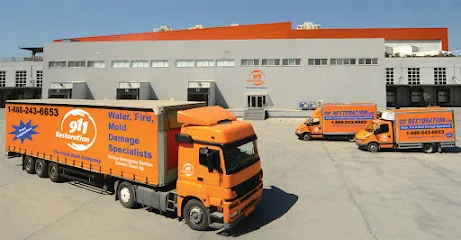
Mold doesn’t usually “start” as mold. In homes around Cranston and the Providence area, it typically follows water damage—when moisture soaks into building materials, then dries unevenly and leaves behind conditions that can support ongoing odors, staining, or repeated cleanup. If you’re considering 911 Restoration of Providence for water damage and mold remediation, the smartest first step is to verify what proof and documentation you should receive, not just what they clean.
Below is a decision-focused set of questions and expectations that match the practical signals you should discuss before anyone begins work at 1381 Cranston St, Cranston, RI 02920, United States or answers by phone at +1 401-415-9780.
1) Start with the moisture-source story (not the visible stain)
Before mold remediation begins, ask the team to explain the moisture source and how they know it. A credible assessment should connect the water event (leak, spill, plumbing issue, or other water damage) to the materials that were affected. You want them to map what got wet and what remains at risk of ongoing moisture exposure—because cleaning the surface without addressing the moisture source is how mold conditions return.
2) Containment should be specific to your rooms and materials
Containment isn’t just “plastic sheets.” It should be tailored to the affected rooms, the type of materials (drywall, insulation cavities, flooring layers, or other porous materials), and how occupants will be protected during remediation. Clarify what areas will be isolated and what safety approach is used while work is active. If a contractor can’t describe containment decisions clearly, it’s a red flag for incomplete isolation.
3) Ask whether testing/inspection is part of the remediation scope
Some homeowners only want visible mold removed; others need inspection documentation for insurance, a sale, or a recurring moisture complaint. A good mold remediation plan should distinguish between initial inspection and any additional testing you may request or require. Instead of treating “testing” as a one-size-fits-all add-on, ask how inspection results influence the remediation scope and what documentation you’ll receive at the end.
4) Drying verification is the proof that matters after cleanup
After demolition or cleaning, the job often still isn’t finished. The key question is how they verify drying—beyond “it looks dry.” Ask what drying measurements are recorded, how long equipment runs, and how they confirm that moisture-sensitive building materials have reached appropriate conditions. This is where many remediation projects succeed or fail, especially when hidden moisture lingers in cavities or under finishes.
5) Get a written scope tied to materials, timing, and exclusions
For any remediation project, request written notes that connect the assessment to the work: what will be removed, what will be cleaned, what containment steps are used, and what will be restored (or left for a separate phase). If the scope is vague, you may end up paying for more visits when the real affected areas weren’t properly identified at the start.
What to say on the first call to confirm fit
When you contact 911 Restoration of Providence, you can use a simple, proof-focused script: “Can you document the moisture source and which materials were affected? What containment steps will you use for the specific rooms? Is inspection/testing included or separate? How do you verify drying before you close the project?” Their answers should be clear, process-based, and tied to documentation you can review.
Final decision: choose documentation strength, not just cleanup claims
Choosing a mold remediation contractor is less about marketing and more about evidence. For water damage and mold remediation, the best fit is the contractor who can explain the moisture story, set containment rules that match your rooms, clarify how inspection and testing fit the plan, and provide drying verification before final sign-off. If you can get those proof points in writing for the work at 1381 Cranston St and compare them with your project needs, you’ll be in a far better position to prevent repeat mold problems.
More field postings
- Property Recovery 911 in Philadelphia: Decide Between a Mold Report and Remediation Property Recovery 911 lists mold remediation and water mitigation in Philadelphia. Use this guide to define whether the next decision is ins…
- DryDocs Restoration in Philadelphia: Connect Water Damage to Mold Remediation Scope DryDocs lists water extraction, structural drying, water damage restoration, and mold remediation. Use those service signals to clarify wher…
- MSR Restoration in Philadelphia: Prepare for a Mold Inspection Report Use MSR Restoration’s published inspection and remediation sequence to prepare a useful mold assessment, understand its limits, and decide w…