Home Field postings Mold Remediation Guides
Before You Approve Mold Remediation at 911 Restoration of Buffalo: 6 Scope Checks That Prevent Hidden Damage
A solid mold remediation plan starts with the moisture source. Use these 6 scope checks—root cause, containment, documentation, and verification—when calling 911 Restoration of Buffalo.
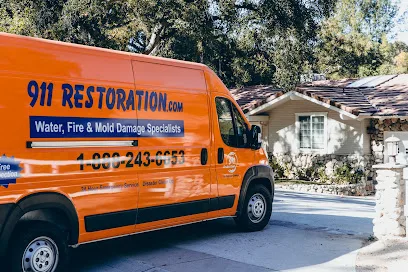
If you’re dealing with mold after a leak, backed-up drain, or a flood-like event, the hardest part is not finding help—it’s deciding whether the remediation plan you’re offered truly matches the moisture problem that fed the growth. For homeowners in the Buffalo area considering 911 Restoration of Buffalo (38 Mechanic St, Akron, NY 14001; +1 716-986-9899), use the questions below to pressure-test scope before work begins.
1) Does the plan explain the moisture source that caused the mold?
Visible mold is usually the aftermath. A responsible remediation approach ties cleanup to the original water pathway: a specific plumbing line, a roof leak, sewage backup, groundwater intrusion, or a burst-pipe event. 911 Restoration of Buffalo’s public messaging emphasizes water damage restoration and mold removal, and it also notes structural testing and mold inspection as part of its response. Still, you should ask for a clear narrative: what fed the mold, what was done to stop it, and how that drives the work that follows.
2) Are they treating “containment” as job-specific safety—not a generic promise?
Mold remediation should protect unaffected areas while work is underway. Ask how they will isolate the work zone, control airflow, and prevent debris from migrating. Instead of accepting a vague statement like “we’ll contain it,” request details that match your situation: basement vs. upper floor, crawlspace vs. drywall cavities, and whether there’s sensitive material nearby. If the moisture source is ongoing or intermittent, containment and dust control must be paired with that fix—not delayed until after demolition.
3) What documentation will you receive before and after remediation?
Before approval, ask what they will measure, record, and show you. Many disputes happen because homeowners aren’t sure what was actually removed, what was left, or what “cleaned” means in practice. Look for a remediation plan that explains inspection findings and then records what changed: areas affected, steps taken, and the logic behind them. On the website, 911 Restoration of Buffalo mentions IICRC-certified teams contact within 45 minutes and a free visual inspection for property owners. If that inspection happens, request a written summary you can keep.
Keep your own timeline
Even with contractor documentation, document your timeline: when you first noticed moisture, when you stopped the leak, what materials were exposed, and photos of water stains or musty odor. This helps the contractor connect the remediation scope to the real moisture history.
4) Are they separating water mitigation from mold remediation scope?
When mold follows water damage, remediation is not just “remove spores.” It includes drying, drying verification, and then cleaning and removal of impacted materials as needed. Ask whether their estimate includes water mitigation tasks (water removal and drying steps), followed by mold-specific work, and how they decide when the area is actually dry enough to proceed. If they only discuss removal and not drying verification, you may be agreeing to a partial plan.
5) How will they handle sewage or higher-risk contamination scenarios?
If your situation involves sewage backup or wastewater, the acceptable remediation approach usually becomes stricter—materials may require more aggressive removal, and cleaning/sanitization expectations rise. 911 Restoration of Buffalo’s public services mention sewage backup cleanup and sanitization. Ask you specific question: “In a sewage-related case, what extra steps are included compared to a clean-water leak?” Their answer should address how they protect occupants and how they prevent cross-contamination.
6) What verification happens at the end—so you’re not guessing?
Before you sign off, ask what “done” looks like. For example, will they verify moisture has been controlled, and will they re-check the affected areas after remediation? A good plan gives you an end-state: what was restored, what was removed, and how they verified results. This is especially important in basements or older structures where hidden moisture can reappear.
One decision rule: don’t approve the first plan you hear
When a contractor offers mold removal, your goal is to approve a plan that is tightly connected to the moisture source, includes containment that fits the job, and ends with clear verification—not just visible cleanup. Calling 911 Restoration of Buffalo at +1 716-986-9899 may get you emergency help, and their site highlights 24/7/365 availability and a 45-minute response claim. But even with fast response, take a few minutes to confirm these scope checks so the remediation actually protects the rest of the home.
More field postings
- Property Recovery 911 in Philadelphia: Decide Between a Mold Report and Remediation Property Recovery 911 lists mold remediation and water mitigation in Philadelphia. Use this guide to define whether the next decision is ins…
- DryDocs Restoration in Philadelphia: Connect Water Damage to Mold Remediation Scope DryDocs lists water extraction, structural drying, water damage restoration, and mold remediation. Use those service signals to clarify wher…
- MSR Restoration in Philadelphia: Prepare for a Mold Inspection Report Use MSR Restoration’s published inspection and remediation sequence to prepare a useful mold assessment, understand its limits, and decide w…