Home Field postings Mold Remediation Guides
911 Restoration of Albany Mold Remediation: How to Verify Containment, Inspection Reports, and Drying Proof
Before mold cleanup begins with 911 Restoration of Albany, confirm how they find the water source, what documentation you’ll receive, and how they prove remediation is complete—not just “scrubbed.”
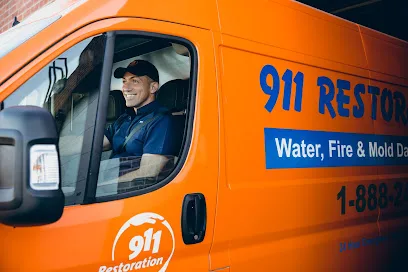
Mold in a home or business usually isn’t a “surface problem.” It’s a moisture problem that has been hiding inside drywall, subfloor assemblies, and other materials long enough for growth to start. That’s why a mold remediation call should quickly become a documentation-and-containment conversation—not a discussion about whether a few visible spots can be wiped away.
For homeowners in the Albany area considering 911 Restoration of Albany, the key is to align expectations with how professional mold remediation should be run. Their public information highlights water damage, sewage cleanup, mold removal, and 24/7 response, including a contact line that can respond quickly. Their contact line is (518) 888-7679, and their address is listed as 24 Lisha Kill Rd ste 24a-5, Albany, NY 12205. Use these details to confirm you’re speaking with the correct local record before you commit to any scope.
Start with the moisture source, not the mold you see
Visible mold may only be the “photo” of a deeper issue. In a proper remediation workflow, the first decision is what caused the moisture and how it will be controlled. Ask 911 Restoration of Albany to explain—using your actual rooms—how they determine the likely water source (for example, a plumbing leak, roof/pipe intrusion, flooding, or a persistent humidity problem). If they can’t connect the growth to a moisture path you can understand, that’s a red flag that remediation may turn into repeated cleaning instead of fixing the cause.
Clarify what your inspection will include (and what the report should say)
Since mold remediation decisions depend on documentation, request a clear inspection process and the type of record you’ll receive. Public-facing information for this company describes mold remediation and inspection, and it notes an IICRC-certified team being contact within a short window. You should still verify the specifics on the phone: what areas are assessed, how they distinguish between affected and unaffected materials, and whether they provide a written report you can use for insurance or internal decision-making.
When you review an inspection report, look for statements that go beyond “mold present.” You want evidence of why materials are considered affected, what containment plan is proposed, and what follow-up steps are required to confirm the environment is safe to reoccupy. If the report is vague or mostly narrative, ask for a more structured scope summary.
Containment should match your layout and materials
Containment is often mentioned in remediation marketing, but it must be practical for your property. Ask how they will isolate the work area from the rest of the building and what containment setup they recommend for the specific spaces involved—crawlspaces, basements, laundry areas, or finished rooms. The goal is to manage dust and spores while the affected materials are removed or cleaned, so overspray or cross-contamination doesn’t spread the problem to unaffected areas.
Also ask what protective equipment is used for workers and how the team plans to handle transitions (doors, stairways, hallways) during cleanup. The right answer will sound like a plan tied to your rooms, not a generic checklist.
Remediation isn’t “done” until you can verify drying
Many homeowners assume mold removal is the finish line. In reality, moisture control and drying verification determine whether the problem stops permanently. Based on common water-damage logic, mold requires conditions that support growth; removing growth without drying to appropriate levels can allow remaining moisture to drive repeat infestation.
Ask 911 Restoration of Albany how they measure and document drying progress and what “remediation complete” means in their workflow. If they discuss drying equipment and monitoring (like air movers and dehumidifiers) and can describe what readings or milestones are used, you’ll have more confidence that the job addresses the moisture side of the equation.
Use your call to confirm scope, safety, and next steps
Before cleanup starts, you want clarity on three outcomes: (1) the moisture source is identified and controlled, (2) you receive inspection documentation that supports the scope, and (3) containment and drying verification are built into the plan. For an Albany property owner, that’s the difference between a short-term clean-up and remediation designed to prevent recurrence.
If you reach out to 911 Restoration of Albany, call (518) 888-7679 and reference your specific water damage and mold concerns. Then ask them to walk you through their inspection-to-containment-to-drying sequence in plain language. With that structure verified upfront, you can make a safer decision about who to hire and what “safe to rebuild” should actually mean.
More field postings
- Property Recovery 911 in Philadelphia: Decide Between a Mold Report and Remediation Property Recovery 911 lists mold remediation and water mitigation in Philadelphia. Use this guide to define whether the next decision is ins…
- DryDocs Restoration in Philadelphia: Connect Water Damage to Mold Remediation Scope DryDocs lists water extraction, structural drying, water damage restoration, and mold remediation. Use those service signals to clarify wher…
- MSR Restoration in Philadelphia: Prepare for a Mold Inspection Report Use MSR Restoration’s published inspection and remediation sequence to prepare a useful mold assessment, understand its limits, and decide w…