Home Field postings Mold Remediation Guides
Mold Remediation Decisions for Pittsford & Henrietta Homes: Confirm Containment, Moisture Source Control, and Proof of Completion
A Rochester-area guide to confirm the plan before cleanup starts—containment, moisture-source control, drying/verification steps, and clear scope boundaries.
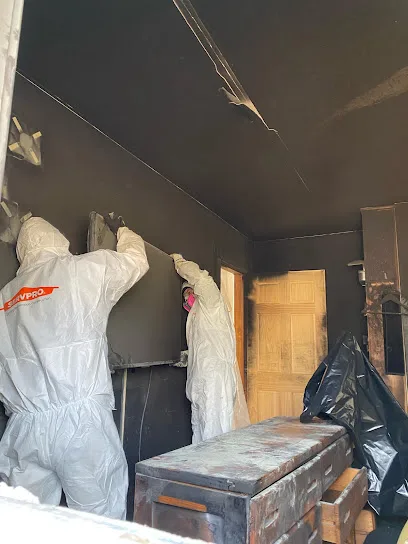
Mold remediation is about more than removing visible growth. For homeowners in Pittsford and Henrietta, the most important decision is whether the plan addresses why materials stayed damp long enough for mold to develop—and whether the contractor can document how they controlled spread and verified completion.
SERVPRO of Pittsford, Henrietta serves the Rochester community from 39 Saginaw Dr ste. 4, Rochester, NY 14623, United States and can be reached at +1 585-678-5859. Their website is listed as: https://www.servpro.com/locations/ny/servpro-of-pittsford-henrietta?utm_medium=organic&utm_source=gbp. Use these details for contact—but base your hiring decision on the written remediation scope you receive.
Start with what kept things damp—then align the cleanup to that cause
In Rochester-area homes, moisture issues can become persistent when water infiltration continues or returns after initial repairs—especially in spaces that can remain affected out of sight. A strong plan connects the dots between the moisture pathway and the affected materials. The contractor should be able to explain the likely source, how it led to damp materials, and what they will do to stop it from continuing.
If their explanation stays generic, treat that as a sign your scope may not match your situation. Ask for the moisture pathway in plain terms and confirm it is tied to the areas you know were wet.
Make sure the plan separates investigation from removal
Before any demolition or removal begins, clarify how the work will identify and classify affected materials. Your written plan should reflect clear remediation phases, including investigation, containment, cleaning/removal, and post-cleaning verification.
If the proposal reads like one combined promise rather than separated steps, push for clearer boundaries. You want to understand what will happen during each stage and what triggers the transition from one phase to the next.
Confirm containment will fit your rooms and materials—not just general expectations
Containment is what helps limit the spread of airborne particles during cleanup. In a home, that means containment should be tailored to your layout and the types of materials involved—such as drywall, insulation, flooring, or affected contents—and to where dust could travel as work proceeds.
Ask how they will isolate work zones and what practical protection measures they will use on-site to reduce cross-contamination between areas. If their approach sounds like a one-size-fits-all statement, request room-by-room specificity based on your actual affected areas.
Clarify the barriers and on-site safeguards used by technicians
Your decision process should include the practical safeguards used while work is underway. Ask what PPE and barriers their technicians use and how they prevent debris from leaving the work area. The goal is to verify containment functions as a protective system, not just a general reassurance.
Drying and verification should be part of the “finish,” not an afterthought
Mold remediation is not complete when visible growth is removed. Completion depends on addressing the underlying moisture condition and verifying that the job achieved the intended outcome for the affected materials, including areas where moisture can linger out of sight.
Request a direct explanation of what documentation will be provided to support drying and verification. Their answer should connect to the specific areas that were affected, rather than offering only a broad statement that work is “done.”
Define what “finished” means for your materials during the drying process
Ask whether they will measure conditions throughout drying and how they confirm that affected materials are ready for the next phase. If completion criteria remain vague, it can create scope risk—because unclear end points often lead to rushed transitions or repeat work later.
For homes in Pittsford and Henrietta, where moisture-related repairs may involve multiple spaces, make sure the completion definition covers the areas you care about restoring first, and aligns with the written remediation boundaries.
Lock scope boundaries before reconstruction decisions
Homeowners sometimes approve remediation based on what is visible, but mold work often requires decisions about what will be removed, what will be cleaned in place, and what will be restored. Before demolition or reconstruction begins, the contractor should clarify what is included, what is excluded, and what circumstances could trigger a scope change.
If water damage and mold occur together, ensure the written scope reflects both remediation work and the sequencing toward restoration. Clear sequencing helps reduce confusion when repairs begin.
Use your first calls to gather facts—and insist on a written, connected plan
Before comparing providers, gather basic facts about your situation: when you first noticed moisture or symptoms, which areas were affected, and whether there was an active leak or prior flooding. Then ask for a written scope that connects investigation, containment, cleaning/removal, drying/verification, and restoration sequencing.
If you’re choosing a provider in the Rochester area, you can reference local contact details such as https://www.servpro.com/locations/ny/servpro-of-pittsford-henrietta?utm_medium=organic&utm_source=gbp. Ultimately, the decision should come down to whether their plan is specific to your moisture pathway, your home’s layout and materials, and the verification steps that support true completion.
More field postings
- Property Recovery 911 in Philadelphia: Decide Between a Mold Report and Remediation Property Recovery 911 lists mold remediation and water mitigation in Philadelphia. Use this guide to define whether the next decision is ins…
- DryDocs Restoration in Philadelphia: Connect Water Damage to Mold Remediation Scope DryDocs lists water extraction, structural drying, water damage restoration, and mold remediation. Use those service signals to clarify wher…
- MSR Restoration in Philadelphia: Prepare for a Mold Inspection Report Use MSR Restoration’s published inspection and remediation sequence to prepare a useful mold assessment, understand its limits, and decide w…