Home Field postings Guides
SERVPRO of Northwest Brooklyn’s Mold & Water Cleanup: What to Ask Before the Crew Arrives
SERVPRO of Northwest Brooklyn, located at 53 Douglass St #1 in Brooklyn, NY, supports water damage and related mold remediation by focusing on containment, safety, and restoration workflows. Use this checklist to prepare key details for a faster, more accurate on-site assessment.
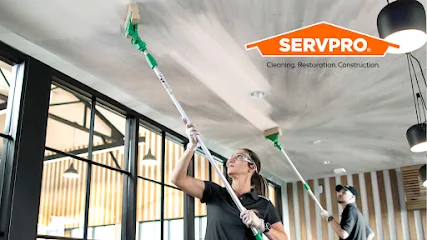
When water damage turns into a mold problem, timing matters. For homeowners and property managers in northwest Brooklyn, SERVPRO of Northwest Brooklyn operates in a remediation workflow that centers on containment and occupant safety before affected materials are removed or dried. The business is listed at 53 Douglass St #1, Brooklyn, NY 11231 and can be reached at +1 718-522-4400.
This guide outlines what to ask during the intake call and what to prepare before the crew arrives, so the team can document conditions accurately and build a plan around the type of building materials involved. The objective is straightforward: reduce further moisture spread, address safety risks, and move efficiently toward restoration.
1) Clarify the source: water intrusion vs. condensation
Start by describing how the moisture started. Was it driven by a leak, a storm, a plumbing failure, or a basement seep that developed over time? In older Brooklyn structures—especially brownstones with cellar-level spaces—water can travel through masonry seams, wet plaster layers, and partition walls.
During the call, ask whether the inspection will identify the likely moisture pathway (for example, the leak point, secondary spread routes, and what materials are affected). If the property has had repeated episodes, mention that history so the crew can check for lingering moisture and the extent of any prior remediation.
2) Ask how containment is set up for the work area
Containment is a core step in mold-related cleanup because it limits particulate movement during demolition or material removal. Ask what containment approach the crew uses for your space type—an apartment unit, a basement room, or a finished area—plus how they control airflow and protect clean areas.
For the northwest Brooklyn listing, the public-facing signals emphasize “containment and protective equipment” alongside water-damage restoration indicators. Use that as a prompt: confirm that the plan includes barriers, appropriate protective measures for occupants and staff, and clear separation of work zones from unaffected zones.
3) Confirm safety and health safeguards before any tear-out begins
Before removal work starts, ask what protective steps are taken for the people who stay onsite. This includes personal protective equipment protocols, whether the plan includes air management steps, and what safety instructions residents should follow during the project.
Homeowners often focus on drying and forget safety coordination. To prevent misunderstandings, ask whether the company provides guidance on temporary relocation needs, ventilation expectations during active work, and how the team handles any health-sensitive situations.
4) Inquire about moisture mapping and drying targets
Even after visible water damage is gone, moisture can remain in building materials. Ask how the crew measures moisture levels and how they determine drying progress. The more precise the moisture mapping, the better the chance that hidden pockets are treated instead of reopened later.
Request specifics: where the moisture meters will be used, what materials they expect to check (subfloor, insulation, framing members, plaster or drywall assemblies), and what benchmarks they use to call a space “dry enough” for the next phase.
5) Prepare documents that speed up the assessment
When a crew arrives, they can move faster with basic details. Gather your contact information and any written timeline you have: date of loss, when water was first discovered, when power or HVAC shutoffs occurred (if any), and whether the area was previously cleaned or treated.
If you have photos or a short log of what changed—drying fans added, carpets removed, leaks patched—bring them. Ask whether the assessment will align work documentation with the details you provide, particularly if you need information for insurance reporting.
6) Ask how they handle the building materials that commonly fail in Brooklyn homes
Brooklyn properties show different failure modes depending on age and construction. In older homes, plaster-on-lath systems and masonry assemblies can hold moisture differently than modern drywall. Ask how the crew evaluates material assemblies and whether they treat removal decisions differently based on what’s behind the finished surfaces.
Use this question to uncover practical guidance: how they decide whether to clean-and-dry versus remove-and-abate, and how they document what is kept, what is removed, and why.
7) Confirm the restoration plan after remediation
Mold remediation and restoration should be treated as connected steps. Ask what restoration scope is available after the contamination and moisture risk are addressed. Clarify whether the process includes controlled rebuild steps, how they coordinate drying completion with reconstruction, and what you can expect for timeline and access.
Also ask about cleanup standards: what “done” looks like at the end of active remediation, how work zones are released for normal occupancy, and what follow-up checks are performed (if any).
Contact details to use for intake
For northwest Brooklyn, the listing provides these public details for reaching the team: 53 Douglass St #1, Brooklyn, NY 11231, United States and +1 718-522-4400. The official location page is available on the company website at https://www.servpro.com/locations/ny/servpro-of-northwest-brooklyn?utm_medium=organic&utm_source=gbp.
Bring the intake questions above into the first conversation. A clear, safety-first plan and precise moisture documentation can reduce rework and help ensure the remediation steps match the building conditions in the home or property.
More field postings
- SOS Mold Removal Queens: what to verify before authorizing mold inspection and cleanup in Flushing Before mold work starts in Queens, confirm the moisture source, documentation approach, and containment plan. Here’s how to prepare with SOS…
- Mr Mold Williamsburg: confirm containment, moisture source, and documentation before work begins Before mold remediation or water-damage restoration starts, confirm the moisture-source plan, written containment boundaries, and documentat…
- After a Brooklyn leak: verify water mitigation, drying, and mold cleanup scope (with final inspection evidence) Hidden moisture turns leaks into mold risk. Use this Brooklyn-focused guide to verify the mitigation steps, equipment, and final inspection …